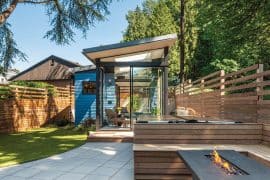
How to Build a Bocce Ball Court in Your Backyard
A bocce ball court is one of the better backyard projects you can tackle on a weekend. It costs less than a patio, requires no concrete, and once it's done, it gets used at every gathering from July cookouts to Thanksgiving afternoon.
Regulation courts run 60 feet by 12 feet, but a casual 40-foot version fits most suburban backyards and plays perfectly well for backyard games. The basic build is four borders of framing lumber or edging, a layer of weed barrier, a compacted gravel base, and a top layer of decomposed granite or oyster blend. Total material cost lands between $300 and $600 depending on your edging choice and how much surface material you need.
This guide covers every step and every product worth buying. You'll need two solid days and a helper for framing day. The payoff is a court that lasts 10 to 15 years with almost no maintenance.
Best Edging for a DIY Bocce Court Frame
The frame is what holds your surface material in place and defines the playing field. For a casual court, 2x8 pressure-treated lumber spiked into the ground with 24-inch landscape spikes does the job and costs around $80 for a 40-foot court. For something more permanent and polished, a flexible terrace board system gives you a clean look and handles minor grade changes if your yard isn't perfectly flat.
Master Mark Plastics Terrace Board is a solid choice if you want low-maintenance borders that won't rot, warp, or need painting. It installs with included stakes, holds a straight line on level ground, and sits flush enough that it won't catch anyone's foot during a game. For a 40x8-foot court you'll need three to four rolls, and the black color disappears into the ground so the playing surface is what you notice.
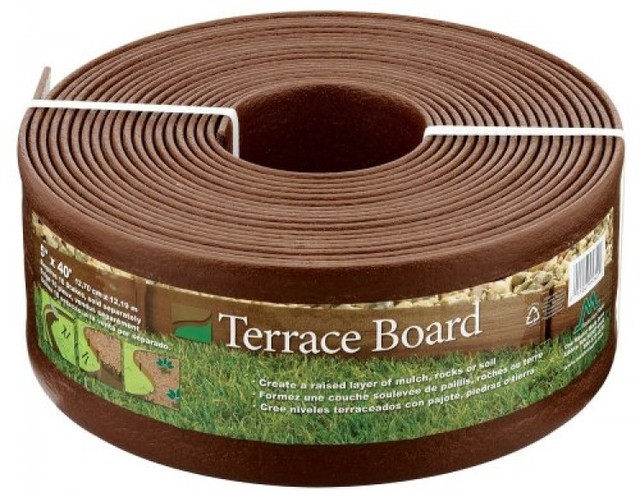
Master Mark Plastics 95340 Terrace Board Landscape Edging, 40 Foot
Check price on Amazon
6,100+ reviews
Flexible black terrace board that holds a clean edge with included stakes and handles light grade changes without cracking or popping loose.
Shop on Amazon →Best Weed Barrier for Under Your Bocce Court
Skip the weed barrier and you'll be pulling grass through your decomposed granite within one growing season. A heavy-duty fabric layer goes down after you've leveled and tamped your base soil, before any gravel or surface material goes in. You want at least a 3-ounce woven fabric, not the thin sheeting sold for garden beds.
The Agfabric Heavy Duty Weed Barrier is a 3-ounce woven polypropylene that blocks weed growth without trapping water underneath. It's permeable, so rain drains through instead of pooling, which matters a lot for a playing surface you're compacting gravel on top of. A 3x100-foot roll covers a 40-foot court with enough extra to fold up the sides and tuck behind the border edging.
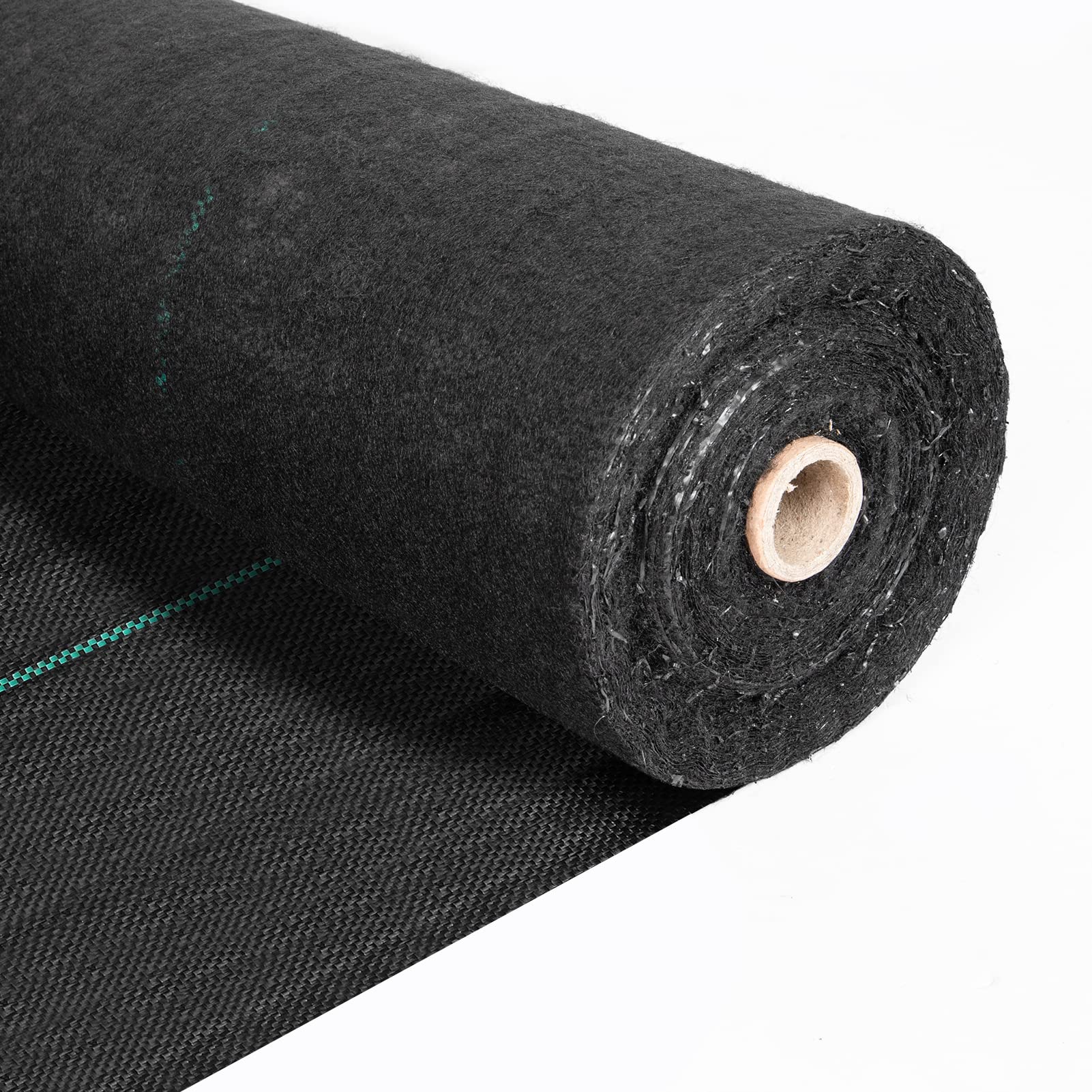
Agfabric Heavy Duty Weed Barrier Landscape Fabric 3ft x 100ft
Check price on Amazon
8,400+ reviews
3-ounce woven weed barrier that stays permeable under compacted gravel surfaces and doesn't tear when you stake it to the ground.
Shop on Amazon →Best Tamper for Compacting Your Court Base
Your base layer of crushed road base needs to be compacted before the surface material goes on. A loose base leads to soft spots and uneven ball roll, and nothing kills a bocce game faster than a ball that stops dead because it hit a low pocket. For a 40-foot court, a hand tamper is all you need. Plate compactors are faster but rarely worth renting for this size of project.
The Razor-Back 49-inch Tamper has a 6.5-pound steel head and a fiberglass handle that absorbs impact well enough to let you compact 100 square feet without your wrists giving out. Work in a grid pattern, overlapping each pass by a few inches. Two full passes over your 3-inch base layer will give you a firm enough foundation to rake your surface fill on top of.
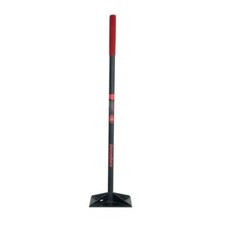
Razor-Back 49-inch Tamper with Cushion Grip Handle
Check price on Amazon
1,200+ reviews
Heavy-duty steel tamper with a fiberglass handle and cushion grip built for compacting gravel and soil on small project areas.
Shop on Amazon →Best Surface Fill for a Backyard Bocce Court
Decomposed granite is the traditional bocce surface for good reason. It compacts firmly, drains well, and gives the balls a consistent, predictable roll that synthetic or loose gravel surfaces can't match. The goal is a finished layer about 2 to 3 inches deep over your compacted base. For a 40x8-foot court, you'll need roughly 800 pounds of material total, so plan on buying in volume.
Southwest Boulder and Stone sells a 40-pound bag of gold decomposed granite that works well as a top dressing. The gold tone looks sharp against dark wood or black borders and doesn't wash out in rain the way lighter materials do. Apply it dry, rake it level, then lightly wet it with a hose and tamp it again once it's damp. That second tamp after wetting is what binds the fine particles and gives you a fast, firm playing surface.
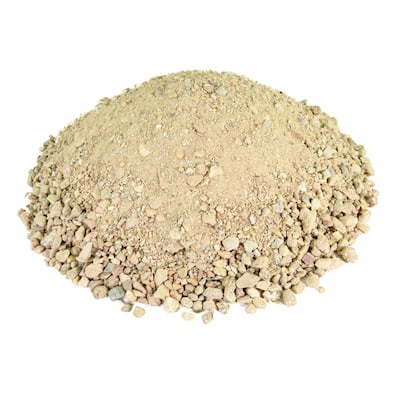
Southwest Boulder & Stone 40 lb. Gold Decomposed Granite
Check price on Amazon
920+ reviews
Fine-ground gold decomposed granite that compacts to a firm, consistent surface and drains cleanly after rain.
Shop on Amazon →Best Bocce Ball Set for Your New Court
Once the court is ready, you want a set that holds up to regular use. Cheap bocce sets use hollow or low-grade plastic balls that chip on the first hard throw and don't roll true on a firm DG surface. Solid resin or solid metal balls are worth the extra money when you've spent a weekend building a real court.
The GoSports 107mm Regulation Bocce Ball Set uses solid resin balls weighted for adult play on packed outdoor surfaces. The set includes eight balls in two colors, a pallino, and a nylon carry bag that stores on a garage shelf without taking up much room. At 107mm, these are regulation size, which matters if you want to host a proper game with actual scoring and enough weight behind each throw to bump an opponent's ball.
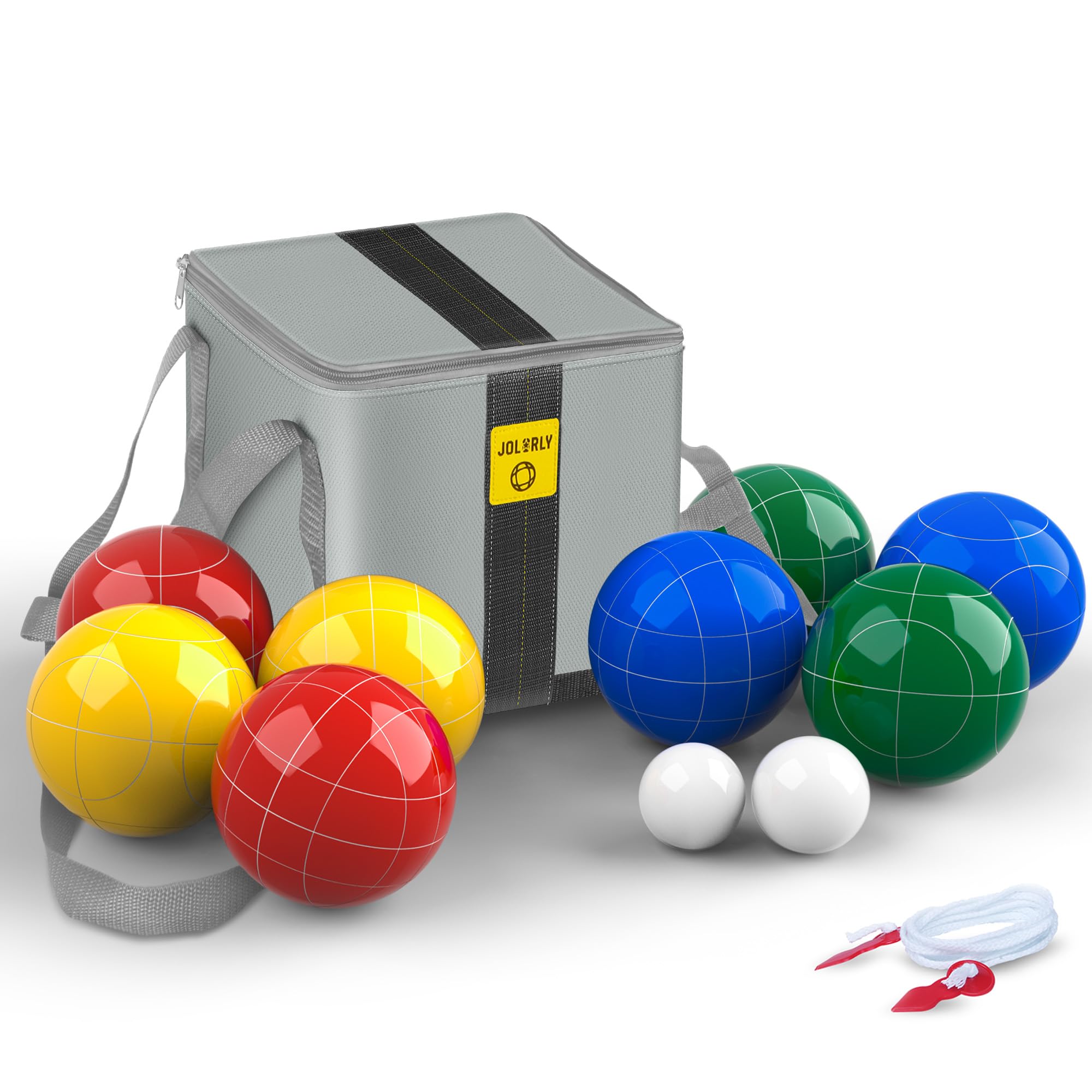
GoSports 107mm Regulation Size Bocce Ball Set
Check price on Amazon
3,800+ reviews
Regulation 107mm solid resin bocce balls with nylon carry bag, built for regular outdoor use on packed dirt and decomposed granite courts.
Shop on Amazon →Quick Tips for Building a Bocce Court
- Mark your court before you dig. Use spray paint or mason's line to lay out the full footprint before moving a single shovel of dirt. Call 811 before you break ground to have underground utilities marked.
- Excavate 4 to 6 inches deep. Remove all grass and soil down to firm subsoil. This depth gives you room for a 3-inch compacted base and a 2 to 3-inch surface layer without the court sitting awkwardly high above the surrounding lawn.
- Slope slightly for drainage. A 1 to 2 percent slope toward one end keeps water from pooling after rain. Check it as you compact the base with a 4-foot level and a tape measure.
- Overlap your weed barrier at the seams. If you need more than one strip of fabric, overlap the seams by at least 6 inches and secure with landscape staples. Gaps in the barrier will produce weeds right in the middle of the playing surface.
- Wet and tamp the DG surface twice. After raking the decomposed granite level, wet it lightly with a hose, let it sit an hour, then tamp again. This binds the fine particles into a much firmer, faster surface than a single dry tamp produces.
- Keep a top-off bag in the garage. DG shifts and settles over winter. One or two extra bags stored in the garage means you can freshen the surface each spring in about ten minutes of raking.
Frequently Asked Questions
What size should a backyard bocce ball court be?
Regulation bocce courts are 60 feet by 12 feet. For casual backyard play, 40 feet by 8 feet fits most yards and still plays a proper game. You can go as short as 30 feet if space is tight, though it changes the strategy considerably.
What is the best surface material for a bocce court?
Decomposed granite and crushed oyster shell are the two most common choices. DG is easier to source, drains well, and compacts to a consistent surface. Oyster blend is softer and slows the balls slightly, which some players prefer for a more deliberate game.
How deep should I dig for a bocce court?
Plan for 4 to 6 inches of total depth below grade. A 3-inch compacted base of road base gravel topped with 2 to 3 inches of decomposed granite gives you solid drainage and a firm, level playing surface.
Can you build a bocce court on a slope?
You can, but the finished surface must be level. That means cutting into the high side and building up the low side with your base material. A court that tilts even an inch from one side to the other will push every ball to the same corner.
How much does it cost to build a backyard bocce court?
A casual 40-foot court with terrace board borders, weed barrier, road base, and decomposed granite typically runs $300 to $600 in materials. A premium version with steel edging and imported oyster shell can reach $800 to $1,200.