Wood vs Composite Pergola: Which Is Better?
Picking between a wood and composite pergola is one of those decisions that shapes your backyard for the next 10 to 25 years. Both materials look great in catalog photos, but they behave completely differently once your summers get humid and your winters push into freezing.
Wood pergolas cost less upfront and deliver a warm, natural look that stains and weathers beautifully over time. Composite and vinyl pergolas cost more to start but eliminate the annual maintenance cycle entirely. The right choice depends on your climate, how much time you actually want to spend on upkeep, and whether you plan to stay in this house long enough to recoup the investment.
This comparison covers four real pergola kits you can buy today, two in natural wood and two in low-maintenance materials, across a range of price points. None of them require a contractor if you're reasonably handy and can recruit a helper for a weekend.
Best Budget Wood Pergola for a Mid-Size Patio
If you have a 10x12 or 10x14 patio and want a pergola without breaking $600, the Outsunny fir wood model is where most people start. It arrives as a flat-pack kit, goes together in a weekend with two people, and the built-in retractable shade canopy means you get real sun protection without paying extra for a separate sail shade.
The fir construction is pressure-treated, which buys you some time before the first seal coat, but plan to stain or seal it within the first season. Left untreated in a rainy climate, fir will gray and crack faster than cedar. On a covered patio in a dry region, this thing can look genuinely good for years with minimal effort. It's a strong starter pergola for someone who wants the look now and can commit to keeping up with it.
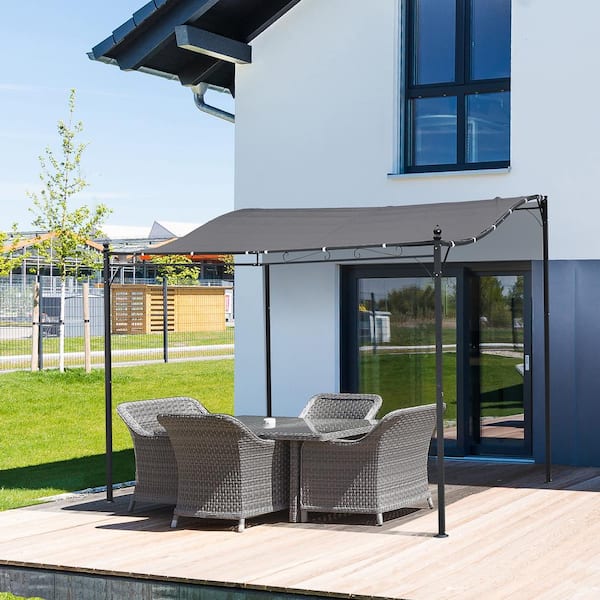
Outsunny 10 x 13 Ft Wood Outdoor Pergola with Retractable Canopy
Check price on Amazon
3,200+ reviews
Solid entry-level wood pergola with a built-in retractable canopy that gives you real shade without a separate purchase.
Shop on Amazon →Best Cedar Pergola for Long-Term Value
Cedar is the upgrade that makes sense if you're planting roots in your home. It contains natural oils that resist rot, repel insects, and slow moisture absorption without any chemical treatment. A well-maintained cedar pergola in a temperate or dry climate will outlast any composite product in the $1,000 range by years.
The Sunjoy cedar kit fits a standard 10x12 footprint and works well as a dining cover for 6 to 8 people with a table underneath. The posts are thick enough to handle hanging string lights, a damp-rated ceiling fan, or even a small pendant chandelier without flexing. First staining takes about half a day and after that you're looking at a touch-up every two to three years. That's the real cost of wood ownership, and cedar makes it as manageable as wood gets.
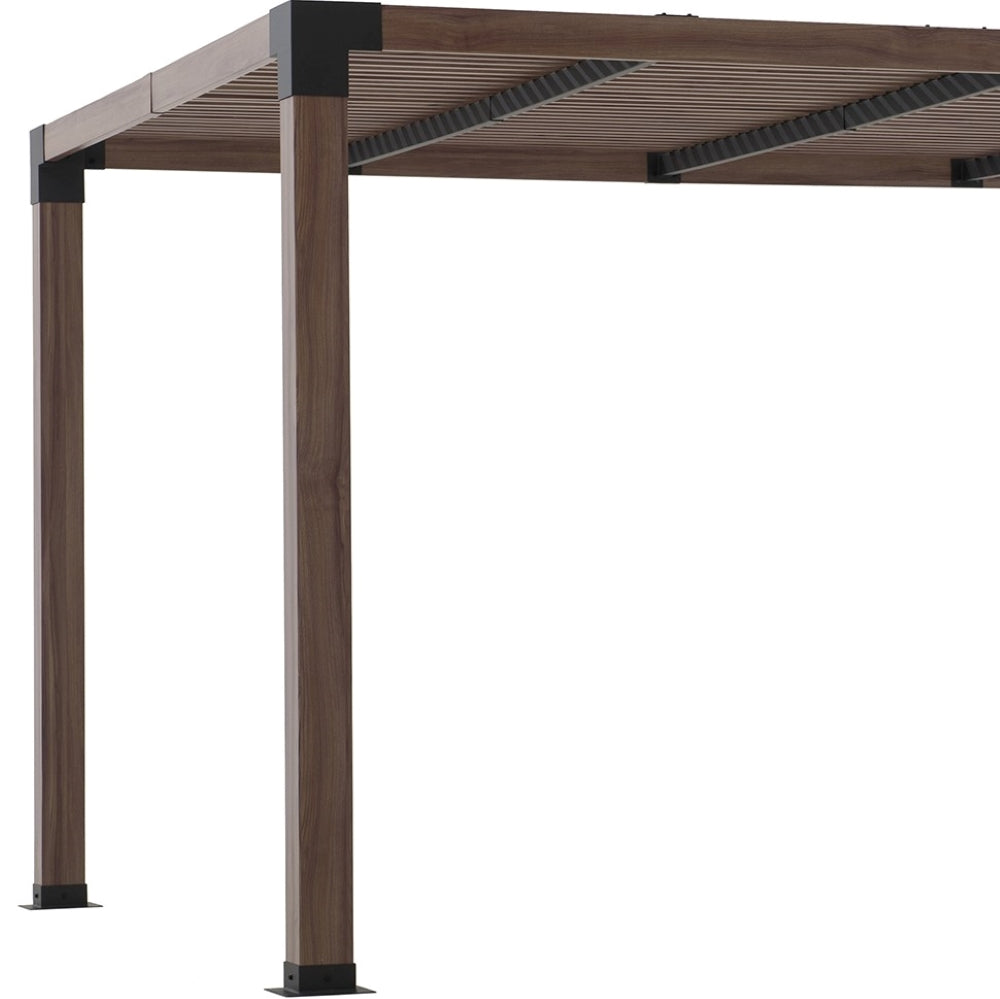
Sunjoy 10 x 12 Cedar Wood Outdoor Pergola Kit with Steel Base Plates
Check price on Amazon
1,800+ reviews
Real cedar construction that holds up to humidity and accepts stain beautifully for a long-term backyard investment.
Shop on Amazon →Best Vinyl Pergola for Zero-Maintenance Backyards
The honest case for vinyl comes down to time. If the idea of sanding, staining, and sealing every couple of years sounds like a chore you will never actually do, a vinyl pergola will stay looking clean with nothing more than an occasional hose-down. New England Arbors has been making vinyl outdoor structures for years, and their Bordeaux model is a widely trusted option for traditional-style homes in the mid-Atlantic and Southeast.
This pergola holds up particularly well in coastal and rainy climates where wood maintenance becomes a genuine problem. The vinyl doesn't fade, crack, or peel under UV exposure the way untreated fir does. The tradeoff is worth acknowledging directly: vinyl can look slightly plasticky up close, and it doesn't hold stain or paint if you ever want to change the color. What you see is what you get, for a long time. That's either a feature or a drawback depending on your personality.
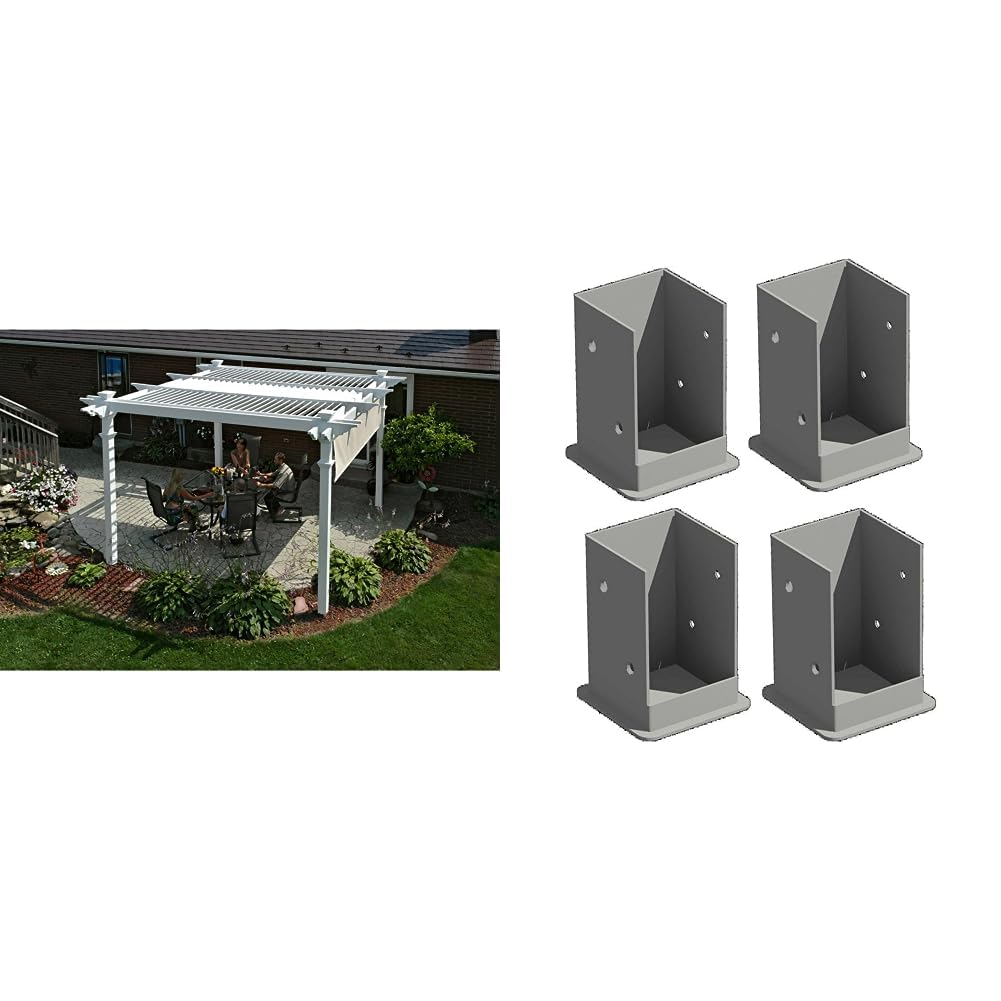
New England Arbors Bordeaux Vinyl Pergola Kit
Check price on Amazon
890+ reviews
Maintenance-free vinyl construction that holds its color and shape for decades without sanding, staining, or sealing.
Shop on Amazon →Best Aluminum Louvered Pergola for Modern Patios
Aluminum louvered pergolas are a newer category and genuinely worth considering if you want something more functional than a fixed-roof pergola. The adjustable slats let you tilt the roof from fully open to nearly closed, so you're not stuck with a permanent shade setup or scrambling to pull a canopy when it rains. VEIKOUS makes a 10x13 model that fits mid-size patios and assembles without concrete footings if you use the included ground anchors.
The powder-coated aluminum frame won't rot, rust, or fade. You can host a dinner under it during a light rain or open it fully for a clear night outside. It solves the maintenance problem without the visual downside of vinyl, and the adjustable roof puts it in a different class for year-round use in climates that get all four seasons. On a 12x16 deck entertaining 8 to 10 people, this is the pergola that gets the most use out of any weather window.
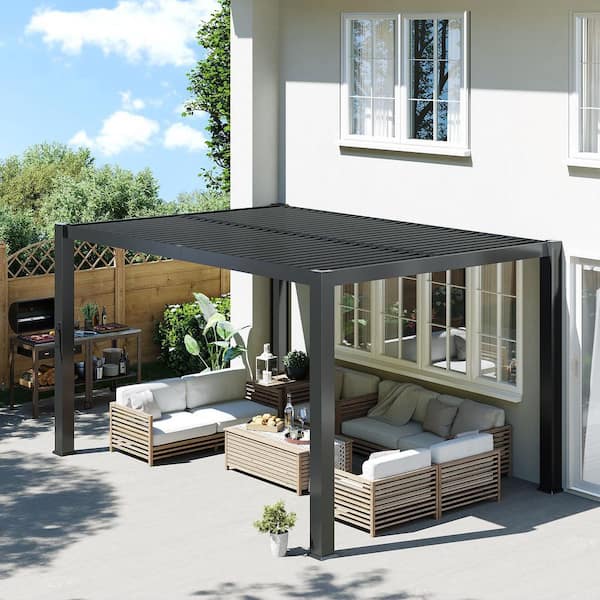
VEIKOUS 10 x 13 ft Outdoor Aluminum Pergola with Adjustable Louvered Roof
Check price on Amazon
2,400+ reviews
Powder-coated aluminum frame with a fully adjustable louvered roof that handles rain, UV, and year-round use with zero maintenance.
Shop on Amazon →Quick Tips for Choosing Your Pergola Material
- Check your climate before anything else. Wood holds up fine in dry climates but needs consistent maintenance in humid or rainy regions. Vinyl and aluminum are smarter fits for the Southeast, Pacific Northwest, and coastal areas.
- Factor in the total cost over time. A $549 wood pergola plus 10 years of stain, sealant, and occasional board replacement can cost more than a $1,500 vinyl pergola over the same period. Do the math for your situation before defaulting to the cheaper upfront price.
- Think about your timeline in the home. If you're selling in the next three to five years, a clean vinyl or aluminum pergola photographs better and tends to require less buyer negotiation over maintenance history during inspection.
- Match the material to your house style. Cedar and rough-sawn wood complement craftsman, farmhouse, and cottage-style homes. Vinyl and aluminum fit better with modern, contemporary, or homes with painted trim and clean lines.
- Size it for the furniture, not just the patio. Measure your outdoor table and chairs first, then add at least 2 feet on each side for clearance. Most 8-person dining sets need at least a 12x14 pergola overhead to feel open rather than cramped.
- Use ground anchors before committing to concrete. Most kit pergolas can be anchored without pouring footings, which matters if you rent, plan to move it, or want to reposition it in a few years. Concrete is permanent; anchor stakes give you options.
Frequently Asked Questions
How long does a wood pergola last?
A cedar or redwood pergola with proper sealing typically lasts 15 to 25 years. Pressure-treated pine runs 10 to 15 years with consistent upkeep. Fir is the shortest-lived option and works best in dry climates where moisture exposure is limited.
Does a composite pergola look as good as wood?
From 10 feet away, quality vinyl and composite pergolas are hard to distinguish from painted wood. Up close, the texture difference is noticeable. In a backyard with lots of natural materials around it, the grain and warmth of real wood reads better. In a clean, modern setting, vinyl holds its own.
What is the maintenance difference between wood and composite pergola?
Wood pergolas need cleaning, sanding, and restaining every 2 to 3 years depending on your climate and sun exposure. Composite and vinyl pergolas need nothing beyond an annual wash with soap and water. Aluminum louvered models require even less, just a wipe-down when it looks dusty.
Does a pergola add value to your home?
A well-built pergola adds functional outdoor living space that buyers notice during showings. Wood pergolas can raise questions about current condition during inspections. Vinyl and aluminum structures tend to close cleaner because there's no maintenance backlog for buyers to negotiate around.
Can I install a pergola kit myself?
Yes, most pergola kits are designed for two-person DIY installation over a weekend. Wood kits are generally easier to cut and modify in the field if something is off. Vinyl and aluminum kits require closer attention to the instructions because those materials don't allow for easy field adjustments.