Wood vs Aluminum vs Vinyl Pergola: Which Wins?
A pergola is a commitment. Pick the wrong material and you spend summers repainting cracked cedar, watching vinyl soften in the heat, or discovering your aluminum kit rattled loose in the first real windstorm. The material you choose matters more than the style.
Each of the three main materials suits a different type of homeowner. Wood is for people who love the look of real lumber and don't mind putting in a weekend every couple of years. Aluminum is for anyone who wants to install it once and forget it exists. Vinyl is often pitched as the middle ground, but it comes with real limitations that most sales pitches gloss over.
These four picks cover the full range of what's available, from a genuine cedar kit sized for a full outdoor dining setup to a budget aluminum option that goes up in a Saturday afternoon. Read through all three material profiles before you spend a dime.
Best Wood Pergola for Classic Backyard Entertaining
Cedar is the gold standard for outdoor wood structures, and Yardistry's Meridian 12x16 kit is the reason why. The boards arrive pre-cut and pre-stained in a warm honey-toned finish. On a larger deck or patio, the 12x16 footprint comfortably covers a table for eight with room left over for a grill station or a bar cart to one side.
The honest trade-off is maintenance. You'll want to apply a UV-protective sealant in year one, then again every two to three years depending on your climate. In the Pacific Northwest that means more often. In Arizona, the sun does the damage faster than the moisture does. Either way, the actual labor is maybe four hours a year.
What you get in return is a structure that looks genuinely expensive and gets more interesting as it weathers. Aluminum and vinyl photograph well in the catalog, but cedar has a warmth that no powder-coated finish replicates. If you have a traditional home or a garden-style backyard, this is the material to commit to.
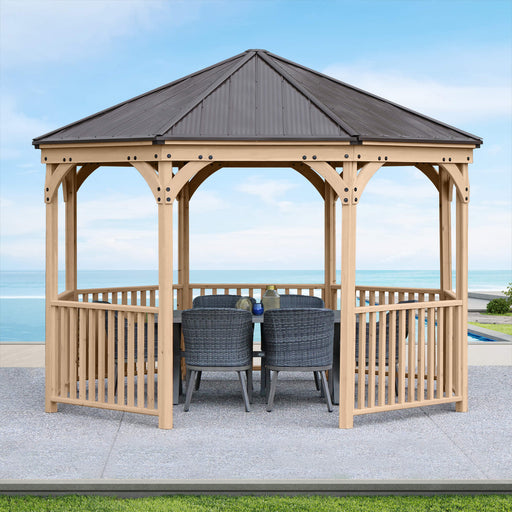
Yardistry 12 ft. x 16 ft. Meridian All Cedar Pergola
Check price on Amazon
2,100+ reviews
Pre-cut cedar kit with everything included, sized right for a full outdoor dining setup on a 12x16 patio.
Shop on Amazon →Best Aluminum Pergola for Zero-Maintenance Patios
The Sunjoy 10x12 louvered pergola is the one to buy if you want to stop thinking about your pergola after installation day. The powder-coated steel frame means no rot, no meaningful rust in normal conditions, and no refinishing. The adjustable louvered roof lets you dial in full shade on a 95-degree afternoon and open it back up to catch a breeze when the temperature drops.
On a 10x12 covered patio, this fits a four-person dining set or a small sectional without crowding. Assembly takes most of a weekend and goes faster with two people. The instructions are detailed but not intuitive, so plan for the first three hours to feel slower than expected. Once it's up, nothing about it requires your attention again.
This style of pergola is especially well-suited for coastal and humid climates where cedar would need resealing constantly. HOA communities that restrict unfinished wood often approve powder-coated steel without issue. The look is modern and clean, which pairs well with concrete pavers or a contemporary home exterior.
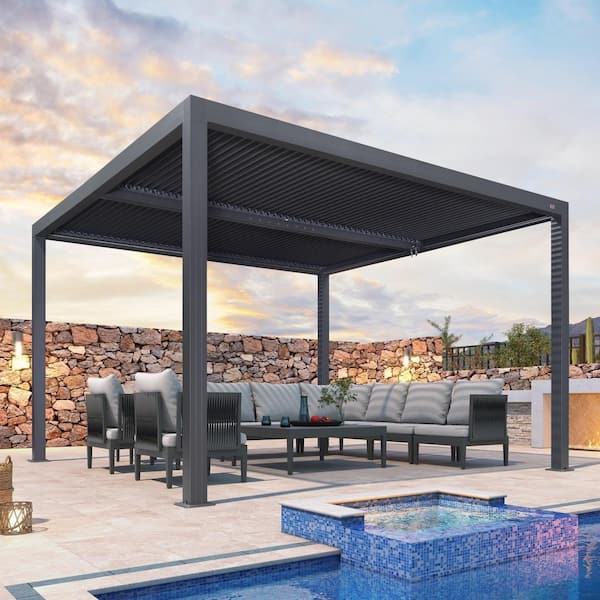
Sunjoy 10 ft. x 12 ft. Steel Frame Louvered Pergola with Adjustable Roof
Check price on Amazon
3,400+ reviews
Adjustable louvered roof with a durable powder-coated frame, ideal for patios where you want shade control with zero ongoing upkeep.
Shop on Amazon →Best Vinyl Pergola for Low-Effort Curb Appeal
Vinyl pergolas get a bad reputation, and a lot of cheap ones deserve it. They chalk, they flex in wind, and that flat-white plastic look can feel sterile next to a natural garden. The New England Arbors Avalon changes some of that. It uses a thicker vinyl profile than most Amazon kits, and the rafter detailing looks architectural rather than flat and utilitarian.
The 10x10 footprint works well on a smaller patio or a side yard setup, covering two lounge chairs or a bistro table for four. Vinyl never needs staining or sealing. Wipe it down with a garden hose once a season and it stays white. That simplicity is real and it matters if you travel frequently or just dislike yard projects.
The ceiling on vinyl is style flexibility. You cannot stain it a different color if you change your mind, and it doesn't accept climbing plants as naturally as cedar does. If your backyard aesthetic is clean and minimal, vinyl fits. If you're going for a cottage or farmhouse look, cedar will serve you better in the long run.
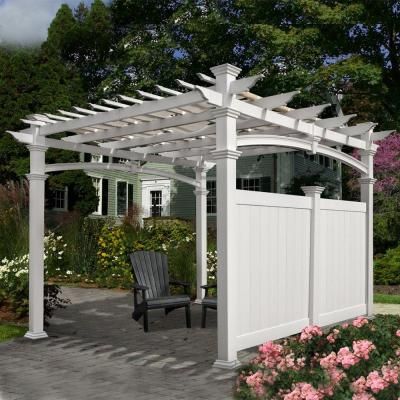
New England Arbors Avalon 10 ft. x 10 ft. Vinyl Pergola
Check price on Amazon
1,800+ reviews
Thicker vinyl profile with genuine architectural rafter detailing, sized for a 10x10 patio with no seasonal maintenance required.
Shop on Amazon →Best Budget Aluminum Pergola for First-Time Buyers
If you want to test how a pergola transforms your backyard before committing to a four-figure cedar kit, the VEIKOUS 10x10 aluminum pergola is the right starting point. It runs around $499 and takes about half a day to assemble. The adjustable polycarbonate canopy panels block UV without cutting out daylight completely, which works well for a reading area or a covered lounge space that gets heavy afternoon sun.
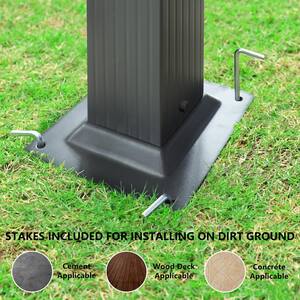
The aluminum frame is lighter than the Sunjoy steel frame, which makes solo assembly more realistic. That lighter weight also means it's less robust in high-wind regions. If summer storms regularly bring gusts above 40 mph, stake it down carefully or step up to a heavier kit. For most calm-to-moderate climates, it handles normal weather without any issue.
This is also a practical choice for renters who want a pergola they can disassemble and take with them, or for homeowners who want to shade a hot tub surround, a garden shed entrance, or a side yard that doesn't need the full investment a main-patio structure would. At $499, it's a way to live with a pergola for a season before committing to something permanent.
VEIKOUS 10 ft. x 10 ft. Outdoor Aluminum Pergola with Adjustable Canopy
Check price on Amazon
5,200+ reviews
Lightweight aluminum frame with UV-filtering adjustable canopy panels, a practical entry-level pergola for patios up to 100 square feet.
Shop on Amazon →Quick Tips for Buying the Right Pergola
- Measure by post footprint, not overhead coverage. Most kits are sized by where the posts land, not the total shaded area. A 10x10 kit covers less than 100 square feet of patio once the posts are placed inside that dimension.
- Pull your permit before assembly, not after. Pergolas over a certain size, typically 200 square feet, require a building permit in most municipalities. Check with your local building department before the kit arrives.
- Decide on your anchor strategy early. Concrete footings are the most secure option for permanent installs. Surface-mount post anchors work on pavers and decks but require the right hardware for your specific surface.
- Budget for installation costs beyond the kit. Concrete, post hardware, and electrical work for lighting can add $200 to $600 to your total. Factor that in before deciding whether the $1,299 cedar kit or the $499 aluminum one actually fits your budget.
- Match the material to your climate before your aesthetic. Cedar in coastal humidity needs more frequent sealing. Vinyl in extreme heat can soften or discolor over time. Powder-coated aluminum and steel handle most climates without special seasonal treatment.
- Think about what you'll hang from it before you buy. String lights, curtain rods, ceiling fans, and climbing plants all attach easily to cedar and aluminum. Vinyl has load limits and requires specialty brackets for most hardware, which adds cost and complication.
Frequently Asked Questions
How long does a cedar pergola last?
A properly sealed cedar pergola lasts 20 to 25 years. Skip the sealant and let the wood crack and gray, and you're looking at 10 to 15 years before it needs replacing. Redwood and teak last longer but cost significantly more upfront.
Is aluminum or vinyl better for a pergola?
Aluminum is better in almost every practical category. It handles more weight, tolerates wider temperature swings without warping, and accepts hardware more easily. Vinyl costs less and never needs painting, but it lacks the structural rigidity of aluminum for spans wider than 12 feet.
Do vinyl pergolas turn yellow over time?
Lower-grade vinyl does yellow with prolonged UV exposure, usually within five to ten years. Higher-quality products use UV inhibitors in the vinyl mix that slow this significantly. Look for listings that specifically mention UV-stabilized or UV-protected vinyl in the product details.
What is the cheapest pergola material to buy and maintain?
Vinyl has the lowest entry price for many kit sizes. Budget aluminum follows closely. Cedar starts higher upfront but holds its value better over time, especially for resale. Pressure-treated pine is cheaper than cedar but requires more regular maintenance to stay rot-resistant.
Can I install a pergola kit by myself?
Most DIY pergola kits are designed for two people with basic tools. A 10x10 kit typically takes four to eight hours. Larger 12x16 kits take a full weekend. Getting the posts perfectly level and plumb before moving to the overhead structure is the step where most first-timers lose time.