Screened Porch vs Open Patio: Which Is Right for You
The decision between a screened porch and an open patio shapes how you use your outdoor space for years. Get it wrong and you'll either be swatting mosquitoes all summer or staring at a covered room you almost never enter.
Both setups have real advantages depending on where you live, how you entertain, and what you're willing to spend upfront. A screened porch in Georgia makes a lot of sense. The same structure in Arizona is mostly wasted money.
This guide walks through the honest trade-offs across cost, comfort, furniture wear, and year-round usability. By the end, you'll know which one actually fits your situation.
Best Ceiling Fan for a Screened Porch
A ceiling fan is one of the first things you'll want after building a screened porch. Screens block the natural cross-breeze that makes an open patio pleasant on mild evenings, and without moving air the space feels stuffy by mid-afternoon even in moderate climates.
The Hunter Fan Company Cassius 52-inch outdoor ceiling fan is a dependable pick for a 10x12 to 12x16 screened porch. It's UL-rated for damp locations, moves serious air without sounding like a helicopter, and the matte black finish holds up through multiple humid seasons without looking corroded or oxidized. Pull-chain control keeps things simple if your porch isn't wired for a wall switch.
Hunter actually engineers outdoor ceiling fans differently from indoor ones rather than just slapping a weather-resistant label on a standard model. The blade pitch on the Cassius is steeper than average, which matters a lot when you're trying to push air through a 200-square-foot screened room on a humid August afternoon. It's one of those upgrades that screened porch owners wish they'd made from the start.
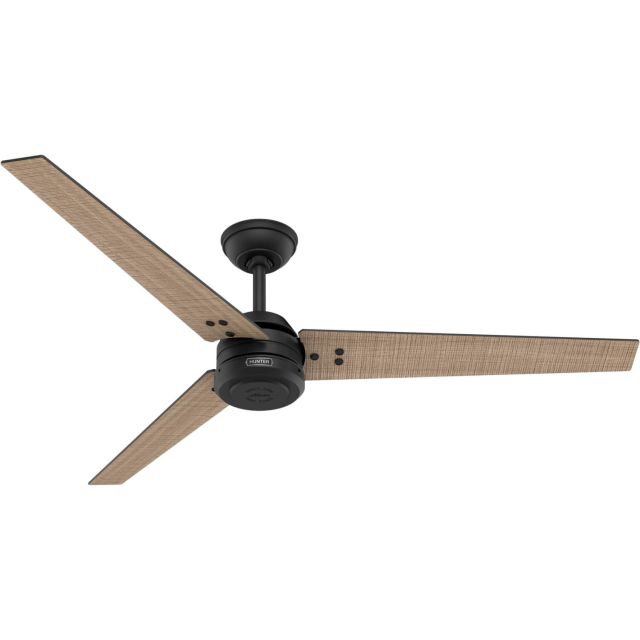
Hunter Fan Company Cassius 52-Inch Outdoor Ceiling Fan
Check price on Amazon
3,800+ reviews
A damp-rated outdoor fan with aggressive blade pitch for real airflow in screened porches up to 16x16 feet.
Shop on Amazon →Best Mosquito Defense for an Open Patio
The biggest complaint about open patios in the South, Midwest, and anywhere near standing water is mosquitoes. You don't get the automatic bug protection that screens provide, so if you're committed to an open patio, you need a reliable way to push insects back.
The Thermacell Patio Shield E55 is a small propane-powered repeller that creates a roughly 20-foot protection zone without sprays, candles, or citronella smoke. You set it on the table or a side ledge, click it on about 15 minutes before you sit down, and it quietly does its job. It's one of the most consistently reviewed outdoor bug solutions because it actually works.
The E55 performs best in a still-air environment. If your patio regularly gets strong wind from one direction, the protection zone shifts and you'll feel the gaps. For covered patios or spaces under a pergola, it works extremely well. For fully exposed setups on windy nights, add a citronella torch or two on the perimeter to close those gaps.
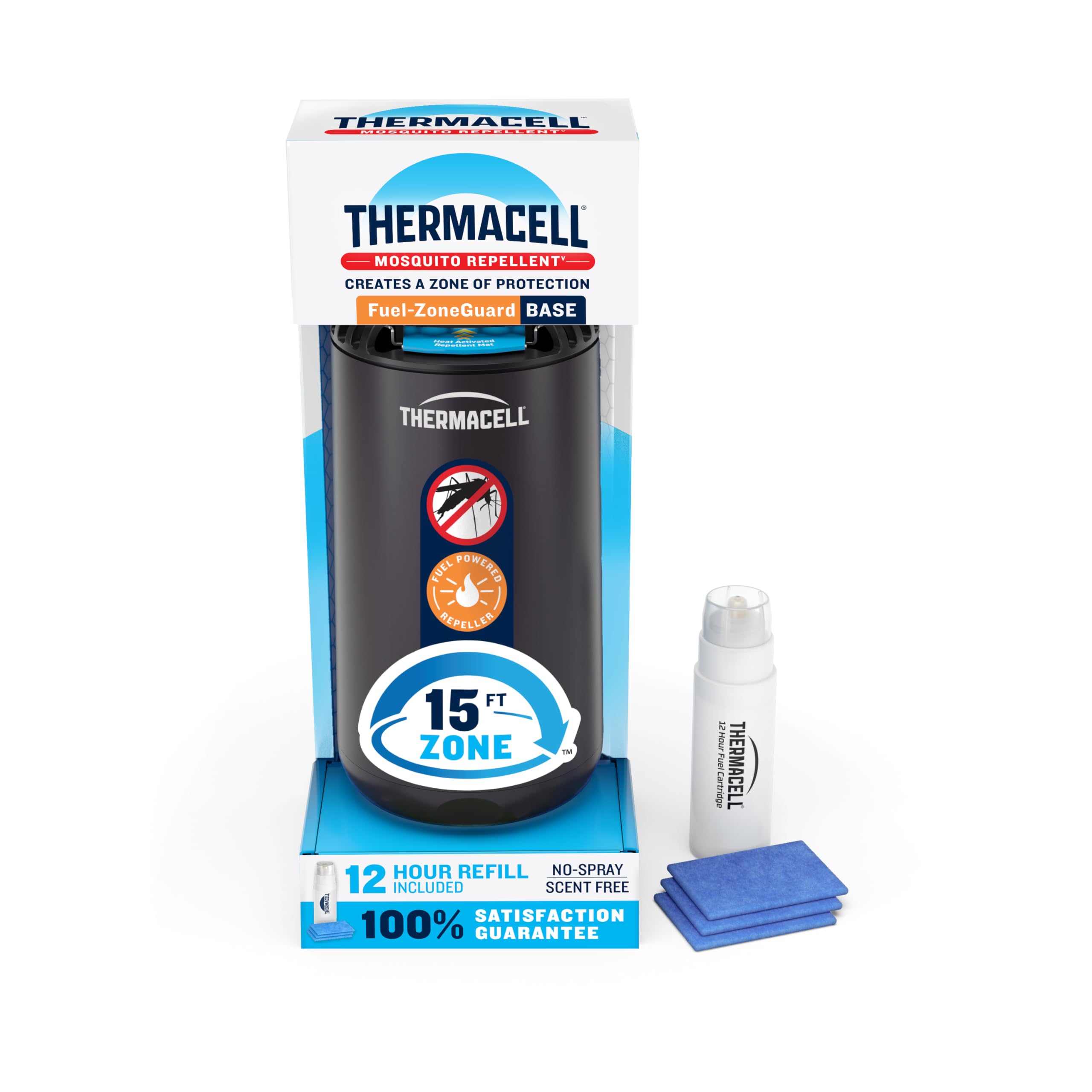
Thermacell Patio Shield Mosquito Repeller E55
Check price on Amazon
28,000+ reviews
Creates a 20-foot bug-free zone with no sprays or smoke, and each refill lasts about 12 hours of use.
Shop on Amazon →Best Shade Sail for an Open Patio
Open patios take full sun in a way screened porches rarely do. A well-positioned shade sail can drop the felt temperature on a concrete or stone patio by 10 to 15 degrees and extend the usable hours well past noon.
The Coolaroo 15x15 ft Triangle Shade Sail uses a high-density polyethylene fabric that blocks 90 percent of UV rays while still allowing airflow underneath. That breathability is the key difference from a solid pergola roof or a patio umbrella. You still feel the breeze, just not the direct sun on your shoulders.
Installation requires three solid anchor points, whether that's a fence post, a tree, or a wall-mounted D-ring. It takes about 30 minutes once you have your anchor points sorted. The fabric stands up to repeated rain and sun without fading badly, and you can detach and store it in about 10 minutes before a serious wind event.
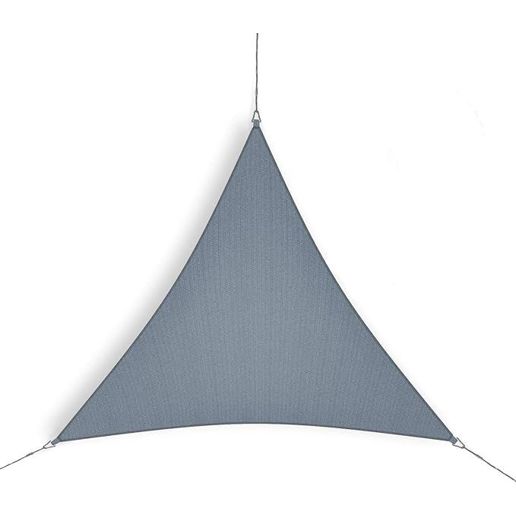
Coolaroo 15x15 ft Triangle Shade Sail
Check price on Amazon
4,200+ reviews
A 90% UV-blocking breathable shade sail that keeps air moving while protecting a significant patch of open patio from direct sun.
Shop on Amazon →Best Porch Swing for a Screened Space
A screened porch without a swing or hanging chair is just a room with mesh walls. The protected, enclosed feel of a screened porch is exactly the right environment for a swing. You can leave cushions on it without worrying about rain, and the screens keep leaves and debris off the seat between uses.
The Sunnydaze Decor 2-person porch swing with hanging chains is a straightforward option that works well on a 10x10 or larger screened porch. The solid pine frame holds up to 500 pounds and comes with a cushion that actually fits the seat without sliding around. The chain hardware is rated for outdoor exposure and doesn't develop an annoying squeak after the first season like cheaper versions tend to.
Plan for at least 7 feet of ceiling clearance and 4 feet of swing arc clearance front-to-back when choosing your spot. On a 12-foot-wide screened porch, it typically anchors straight into exposed ceiling joists without additional hardware. Add a small side table within arm's reach and you have a corner that gets used every evening the temperature cooperates.
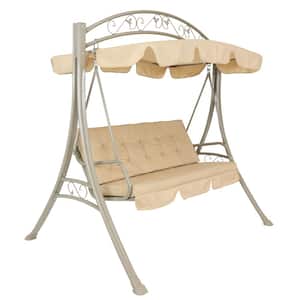
Sunnydaze Decor 2-Person Porch Swing with Hanging Chains and Cushion
Check price on Amazon
6,200+ reviews
A solid pine swing built for permanent screened porch installation with 500-lb capacity and a fitted cushion included.
Shop on Amazon →Quick Tips for Choosing Between a Screened Porch and Open Patio
- Check your local bug pressure first. If you live somewhere with serious mosquito or no-see-um seasons, the cost of a screened porch pays off fast in actual usability. In drier western climates, screens often sit unused for most of the year.
- Factor in your furniture budget. Screened porches allow indoor-grade furniture with outdoor-safe fabrics, which typically costs less than fully weatherproof outdoor sets. Open patios need furniture rated for direct sun, rain, and wide temperature swings.
- Research resale value in your specific market. A well-built screened porch adds real square footage perception in humid Southern and Midwestern markets. In the Southwest or mountain states, buyers often prefer an open patio as more versatile.
- Plan ceiling height before you build. Eight feet is the minimum for a ceiling fan and a swing to coexist comfortably on a screened porch. Nine feet gives you more flexibility for lighting, fans, and hanging fixtures.
- Open patios earn their keep in mild climates. If you have 200-plus mild days per year, an open patio used 10 months out of 12 will outperform a screened porch that only earns its cost during a three-month bug season.
- Screen mesh size matters more than people realize. Standard 18x14 mesh stops mosquitoes and flies but not no-see-ums. If your area has no-see-ums, specify 20x20 or 25x25 mesh when building or re-screening.
Frequently Asked Questions
How much does it cost to add a screened porch versus a patio?
A basic screened porch addition typically runs $8,000 to $20,000 depending on size and whether you're building from scratch or enclosing an existing slab. A stamped concrete or paver patio of similar size usually runs $3,000 to $10,000. The screened porch costs more upfront but adds livable square footage that a patio does not.
Can you use a screened porch year-round?
In mild climates, yes. In cold climates, a screened porch without added heat is unusable for roughly four to five months. Some homeowners add a portable electric or propane heater to extend the season into fall, but screens offer essentially no insulation against cold.
Does a screened porch keep out all bugs?
Standard 18x14 mesh screens keep out mosquitoes, flies, and most common insects. They do not stop no-see-ums, which require a finer mesh. If no-see-ums are a problem in your area, specify that when building or re-screening.
What furniture works best on a screened porch?
You have more flexibility than with an open patio because the space is rain-protected. Wicker with indoor-outdoor cushions, painted wood, and upholstered pieces with outdoor-rated fabric all hold up well. Avoid bare solid wood without a proper sealant since humidity is still a factor even under screens.