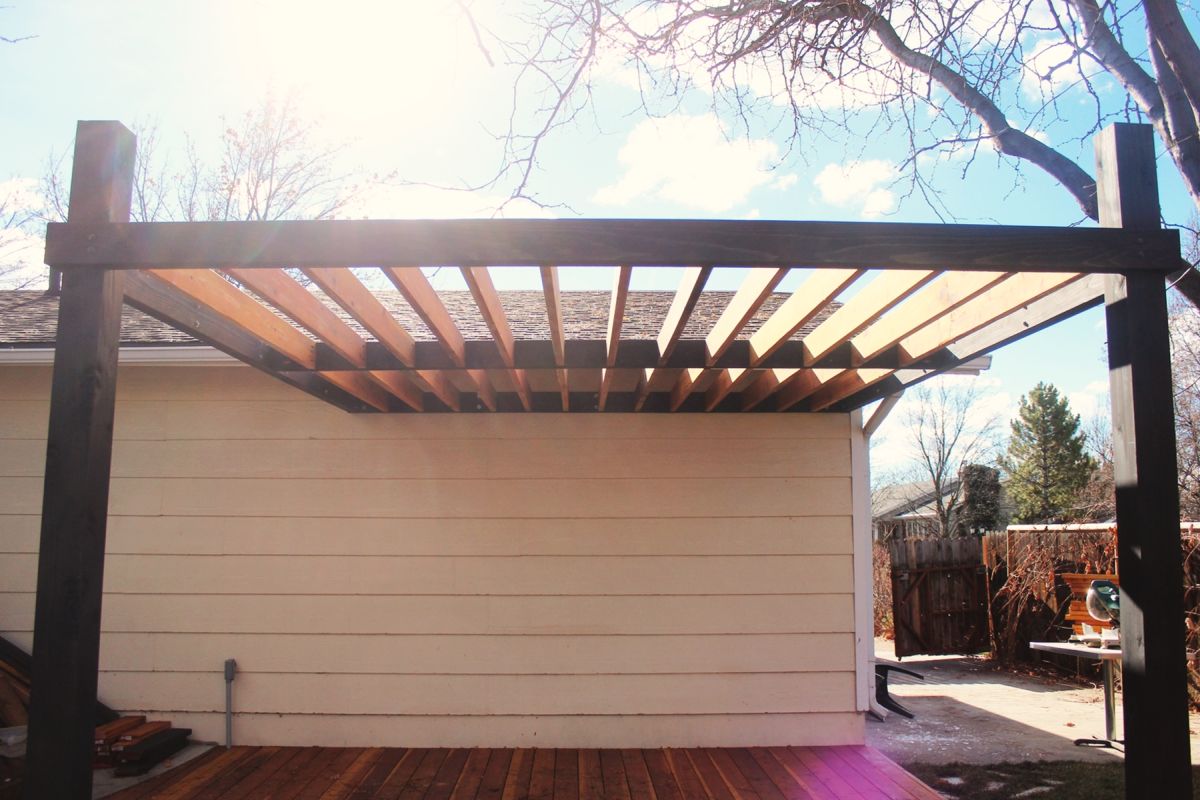
How to Stain and Seal a Cedar Pergola
A cedar pergola looks sharp the first season. By year two or three, the gray starts creeping in, and if you skip maintenance, you are looking at a full replacement sooner than you would expect.
The good news is that restoring cedar is a weekend job. You clean it, brighten it, apply a solid stain or sealer, and you are back to looking good for another three to five years.
This guide walks you through the exact process and the products that actually work, in the order you use them.
Best Wood Cleaner for Pergola Prep
Before any stain goes on, the wood has to be clean. Mildew, algae, dirt, and old sealers all need to come off, or your new finish will peel within a season. Simple Green Oxy Solve Total Outdoor Cleaner is an oxygen-bleach formula that lifts organic stains without the harshness of chlorine bleach, which can actually damage cedar fibers.
You dilute it with water, apply it with a pump sprayer or brush, let it sit for about 10 minutes, then rinse with a garden hose. On a 12x16 pergola, one gallon of concentrate handles the entire structure with room to spare. It leaves no chemical residue that would interfere with stain adhesion, which is the thing most hardware-store cleaners get wrong.
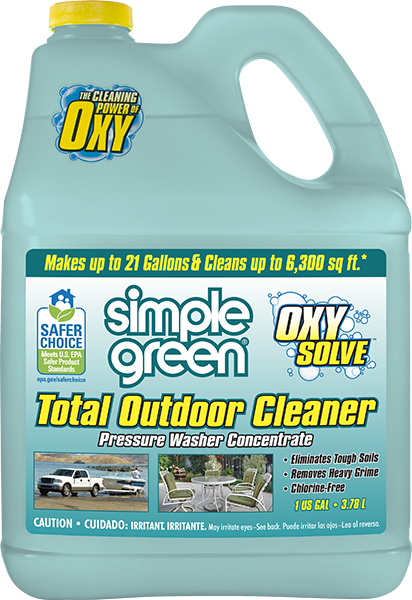
Simple Green Oxy Solve Total Outdoor Cleaner
Check price on Amazon
8,400+ reviews
Oxygen-bleach wood cleaner that removes mildew and algae from cedar without damaging wood fibers or blocking stain absorption.
Shop on Amazon →Best Wood Brightener Before You Stain
After cleaning, cedar can look dull or blotchy. A wood brightener restores the pH of the wood and opens up the grain so stain penetrates evenly. Defy Wood Brightener is an oxalic acid formula that works fast and is safe for cedar without stripping anything useful.
Apply it right after the cleaner dries, let it sit for five minutes, then rinse. The difference is noticeable. Gray or weathered cedar turns back to a warm honey tone, and the grain looks fresh. Skipping this step is the most common reason stain jobs end up looking uneven or blotchy even when the application was fine.
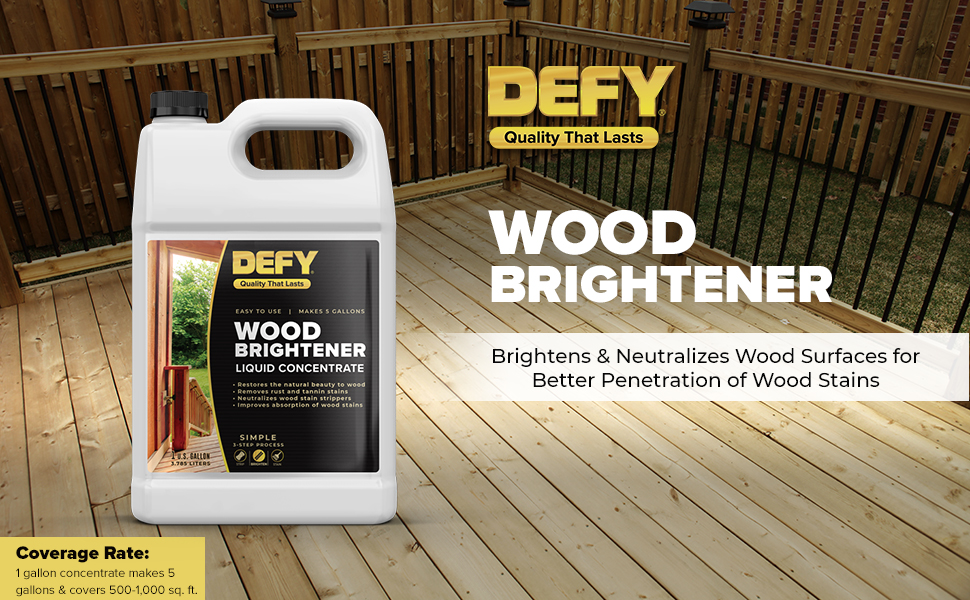
Defy Wood Brightener
Check price on Amazon
2,100+ reviews
Oxalic acid formula that neutralizes wood pH and restores cedar's natural warm tone for consistent stain absorption.
Shop on Amazon →Best Stain and Sealer for a Cedar Pergola
Ready Seal 512 is a penetrating oil-based stain and sealer in one, and it has become a reliable pick for cedar pergolas because it does not lap mark. That means you can stop mid-section, come back an hour later, and the finish still looks consistent. On a pergola with lots of rafters and beams, that flexibility matters more than people realize.
The 512 shade (Natural Cedar) lets the wood grain show through while adding UV blockers and mildew inhibitors. One gallon covers roughly 150 to 200 square feet depending on how weathered the wood is. On freshly brightened cedar, a single coat is usually enough, and the finish holds up well through two to three rainy seasons before you need to touch it up.
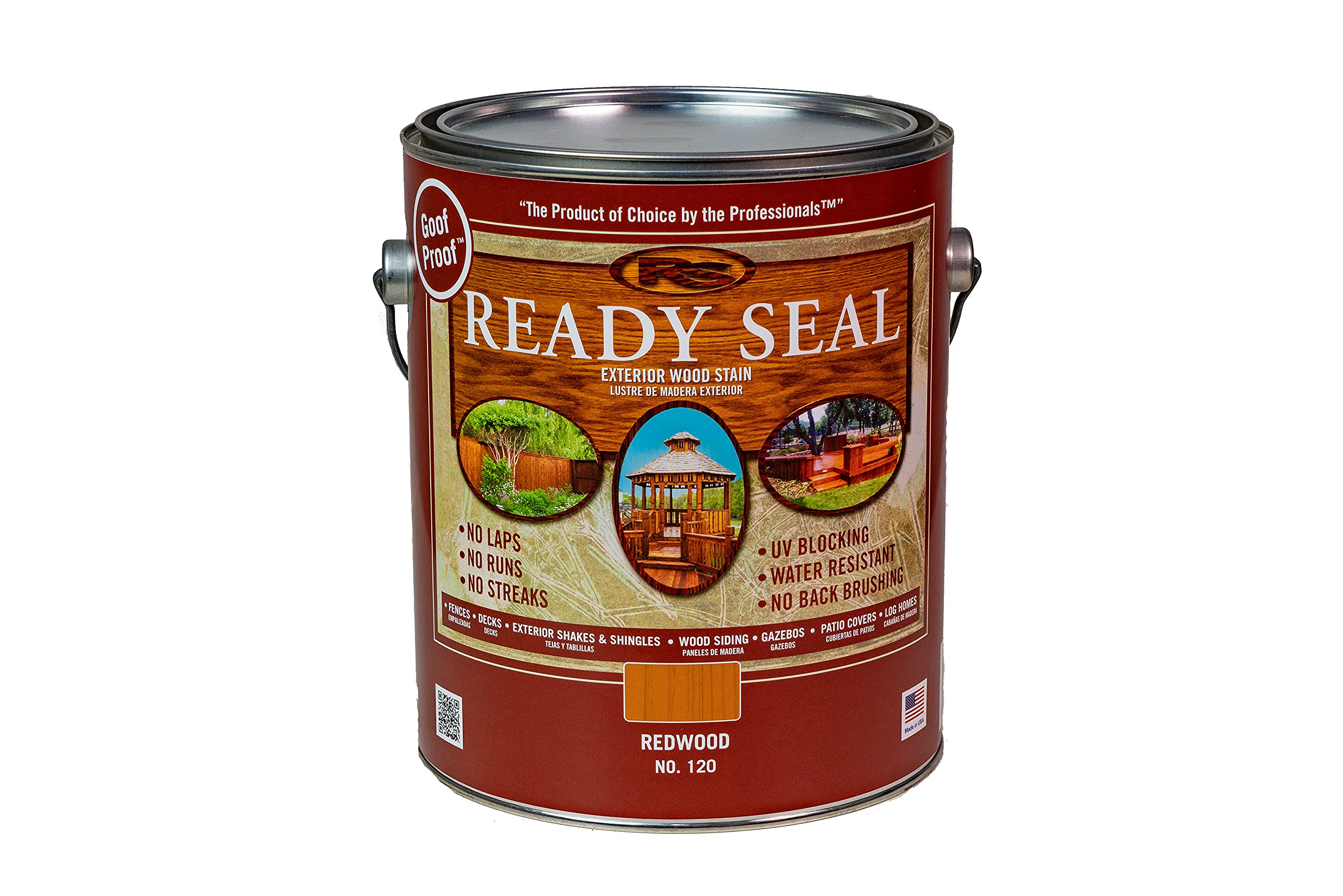
Ready Seal 512 Exterior Stain and Sealer for Wood
Check price on Amazon
5,600+ reviews
No-lap-mark oil-based stain and sealer that penetrates cedar deeply while blocking UV damage and mildew.
Shop on Amazon →Best Natural Finish for Lightly Weathered Cedar
If your pergola is only a year or two old and does not have heavy graying yet, Flood CWF-UV5 Cedar Tone Wood Finish is the smarter move. It is a penetrating finish with UV absorbers that feeds the wood and keeps it looking naturally warm without changing the color much. Think of it as a protective conditioner more than a stain.
The Cedar Tone formula has just enough pigment to block UV rays without making the wood look painted or coated. It also dries faster than most oil-based stains, which matters in late spring when afternoon thunderstorms are a real possibility. Apply it with a brush, work it into the grain, and the job on an average pergola takes about two hours.
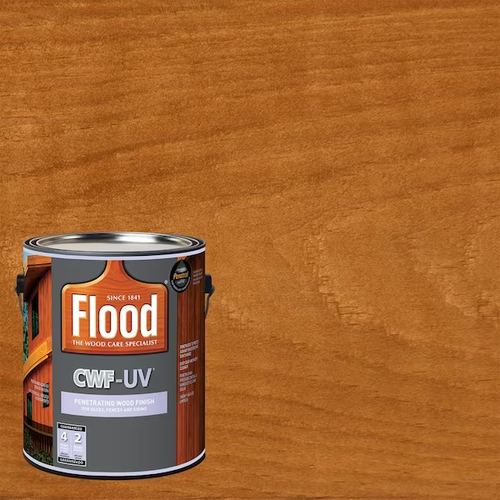
Flood CWF-UV5 Cedar Tone Wood Finish
Check price on Amazon
3,800+ reviews
Fast-drying penetrating wood finish with UV absorbers that protects lightly weathered cedar without adding heavy color.
Shop on Amazon →Best Applicator for Pergola Beams and Rafters
A paint roller will not cut it on pergola beams. You need something that wraps around edges, gets into corners, and holds enough product to cover wide surfaces without constant reloading. The Shur-Line 6300C Deck and Fence Finish Applicator is a staining pad on a long handle that applies finish smoothly without the dripping mess of a thick brush.
The replaceable pads are ideal for the long horizontal rafters and wide top rails, and you can switch to a standard brush for detailed cuts around hardware and joints. On a 10x12 pergola, this applicator cuts staining time roughly in half compared to brushing everything by hand. The extended handle also saves your arms on the overhead sections you would otherwise be stretching to reach.
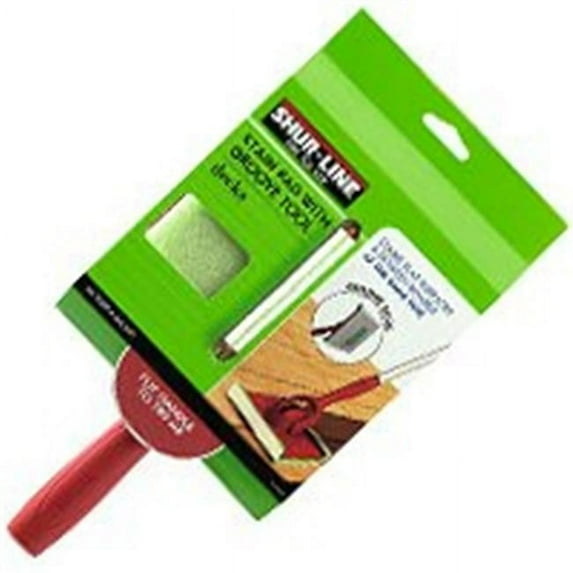
Shur-Line 6300C Deck and Fence Finish Applicator
Check price on Amazon
1,400+ reviews
Long-handle staining pad that covers wide pergola beams quickly and evenly without dripping or leaving brush marks.
Shop on Amazon →Quick Tips for Staining a Cedar Pergola
- Wait for dry weather. Apply stain only when temperatures are between 50 and 90 degrees and no rain is forecast for 24 to 48 hours. Moisture trapped in the wood pushes the finish out and causes peeling.
- Do not stain new cedar right away. Fresh cedar needs 30 to 60 days to dry out before it will accept a stain properly. Staining too early means the finish sits on the surface instead of penetrating and peels within months.
- Sand lightly before staining rough spots. A quick pass with 80-grit sandpaper on splintered or fuzzy areas smooths the grain and helps stain absorb evenly. You do not need to sand the entire structure, just the problem spots.
- Work from the top down. Start with the highest beams and rafters first so any drips fall onto unstained wood below. Finish with the posts and bottom rails last.
- Lay down drop cloths before you start. Stain drips are difficult to remove from concrete and pavers once they dry. Old cardboard or canvas drop cloths protect the patio surface below with minimal setup time.
- Plan to reapply every two to three years. Cedar holds finish well, but UV and moisture eventually break it down. Catching it before heavy graying sets in keeps the job simple and avoids the need for deep cleaning or stripping.
Frequently Asked Questions
Do I need to strip old stain before restaining a cedar pergola?
Only if the old finish is peeling or flaking off. If it is just faded, a thorough cleaning and brightening is enough to prep the surface. Penetrating oil stains can go over old penetrating stains without stripping.
How long does stain last on a cedar pergola?
A good oil-based stain or sealer lasts two to four years on a cedar pergola, depending on sun exposure and your climate. South-facing structures in hot regions need reapplication more often than shaded or north-facing ones.
Can I use a paint sprayer to stain a cedar pergola?
Yes, and it speeds the job up significantly on larger structures. Use an airless or HVLP sprayer, mask everything below the pergola, and always back-brush right after spraying to work the stain into the grain.
What is the difference between a wood stain and a wood sealer for cedar?
A sealer is primarily a moisture barrier with little or no pigment. A stain adds color and UV protection. Most products sold as stain-sealers do both jobs in one coat, and those combined formulas are the most practical choice for a cedar pergola.