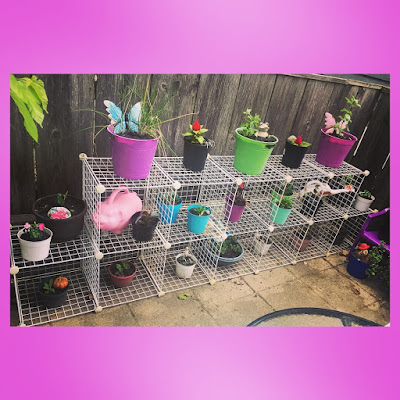
Patio Herb Garden Setup Guide for Containers
A container herb garden is one of the fastest returns you'll get from any outdoor project. You plant it once, and within a few weeks you're snipping fresh basil into pasta or muddling mint into cocktails without leaving the patio.
The trick is matching your setup to your space. A 6x8 foot deck handles four or five large containers easily. A narrow apartment balcony is better served by a railing planter and a vertical tower. This guide walks through both scenarios with specific products for each.
You don't need a green thumb for this. You need the right containers, a decent potting mix, and a short list of herbs that actually thrive in pots. Everything here ships from Amazon and will arrive ready to plant.
Best Vertical Planter for Space-Constrained Patios
If your patio is short on floor space, going vertical is the right move. The Mr. Stacky 5-Tier Stackable Planter lets you grow up to 20 plants in a footprint smaller than a single large pot. It sits roughly 18 inches wide and stacks to about 4 feet tall, which tucks neatly against a fence, exterior wall, or railing without blocking traffic.
Each tier holds four individual planting pockets, and water drains down from the top tier through the rest, so you water once and every level gets hydrated. It's made from food-safe plastic and handles full sun without cracking across a season. Basil, parsley, chives, oregano, and thyme all thrive in these pockets. Mint works too, but limit it to one or two pockets or it will start crowding its neighbors before July.
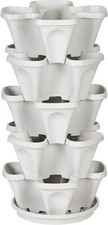
Mr. Stacky 5-Tier Stackable Strawberry, Herb, Flower and Vegetable Planter
Check price on Amazon
8,400+ reviews
Grows up to 20 plants in under 2 square feet of floor space, with built-in top-down watering that keeps every tier hydrated from a single pour.
Shop on Amazon →Best Railing Planter for Decks and Balconies
The Lechuza Balconera Color 50 is the cleanest solution available for balcony and deck railing setups. It mounts directly to the rail with adjustable brackets included in the box, holds about 6 liters of water in a built-in reservoir, and waters your herbs from the bottom up. That bottom-watering method is genuinely better for most herbs than overhead watering. It keeps moisture at root level and reduces the fungal issues that come from wet foliage.
The 50 cm version comfortably fits three or four good-sized herb plants and works on standard deck railings without any tools beyond hand-tightening. The sub-irrigation reservoir means you can leave for a long weekend and come back to healthy plants instead of crispy ones. It comes in white, anthracite, and a few other colors, so it looks intentional rather than improvised hanging off your rail.
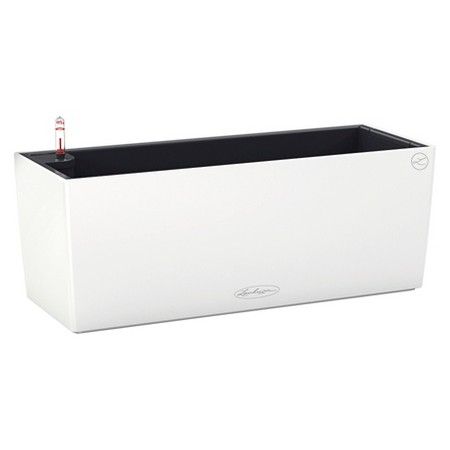
Lechuza Balconera Color 50 Self-Watering Railing Planter
Check price on Amazon
1,900+ reviews
Mounts to deck railings with included brackets and a bottom-watering reservoir that keeps herbs hydrated for days without daily attention.
Shop on Amazon →Best Self-Watering Containers for Tabletop Herbs
The Bloem Ariana Self-Watering Planter is the workhorse of a patio herb setup. It comes as a two-pack at 12 inches wide, which is the right size for one large herb or two compact ones side by side. The reservoir in the base holds enough water to keep basil and parsley comfortable for three to four days between waterings. That interval matters more than most people realize, especially in summer when a hot afternoon can drain a standard pot in 24 hours.
These come in over a dozen colors, so you can match them to your furniture or keep them neutral. They're resin, meaning they won't crack in direct sun or shatter if you knock one off a table. Put these front and center near where you actually cook or mix drinks. When grabbing a handful of fresh basil is a five-second reach rather than a walk to the back corner, you'll actually use what you grow.
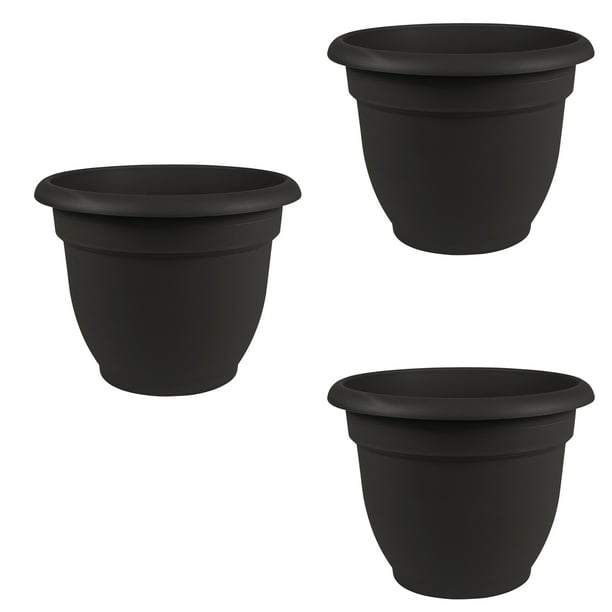
Bloem Ariana Self-Watering Planter 12-Inch, 2-Pack
Check price on Amazon
5,600+ reviews
A reliable two-pack with a built-in water reservoir that reduces watering to every few days, in a slim resin profile that fits on any patio table or shelf.
Shop on Amazon →Best Fabric Grow Bags for Rosemary and Deep-Rooted Herbs
Rosemary, lemon balm, and Greek oregano need more root depth than most containers provide. Fabric grow bags solve that problem while also preventing the root rot that kills more container herbs than any other cause. The VIVOSUN 5-Pack of 10-gallon fabric pots gives you serious growing depth at a price that's hard to argue with. Five pots for around $20 means you can outfit a full herb collection for less than a month of fresh herbs at the grocery store.
The breathable fabric material promotes air pruning at the root tips, which leads to denser, healthier root systems compared to plastic pots of the same size. At 10 gallons, you have room to go deep with rosemary or plant a small community of herbs together. They come with handles sewn into the sides, which makes repositioning easy when you're chasing sunlight across the patio as the seasons change.
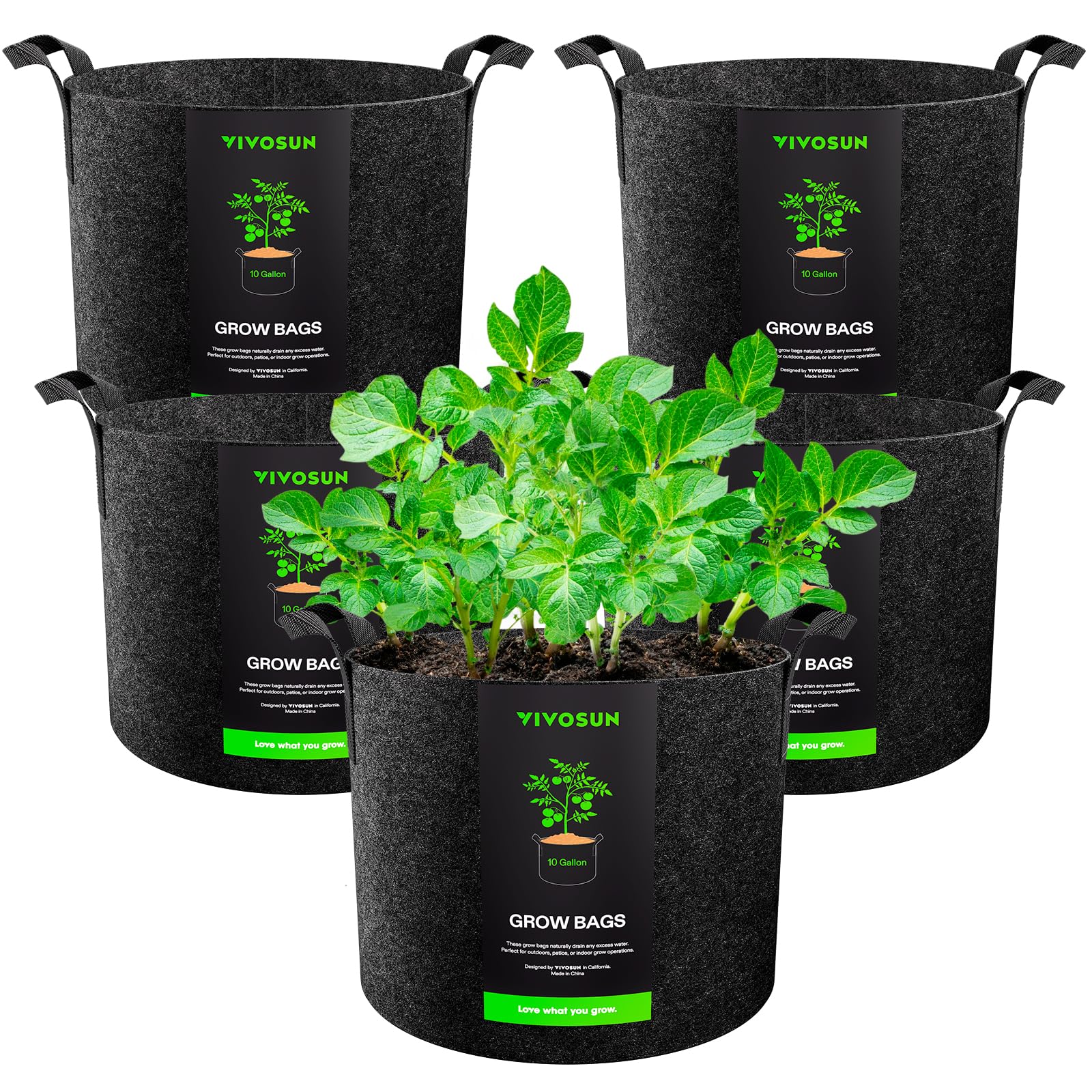
VIVOSUN 5-Pack 10-Gallon Heavy-Duty Thickened Nonwoven Fabric Pots
Check price on Amazon
14,200+ reviews
Breathable fabric promotes stronger root growth and prevents root rot, with sewn-in handles for easy repositioning when sun angles shift.
Shop on Amazon →Best Potting Mix for Container Herb Gardens
Herbs in containers live or die by their soil. Garden soil from the ground compacts in pots and kills drainage fast. FoxFarm Ocean Forest is a premium potting mix pre-loaded with earthworm castings, bat guano, and Pacific Northwest sea-going fish and crab meal. What that means in practice: you don't need to fertilize for the first two or three months, and the growth rate is noticeably faster than with basic potting soil from the hardware store.
A 12-quart bag fills four or five of the 12-inch Bloem containers, or about two of the 10-gallon VIVOSUN fabric pots. It costs more than generic potting mix, but the nutrient density means you use less of it, and your herbs will return the difference in flavor and yield before summer is halfway done. It's the one place in this whole setup where spending an extra few dollars actually shows up in what you eat.
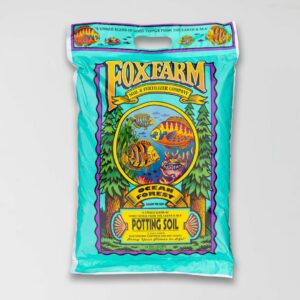
FoxFarm Ocean Forest Potting Soil Mix
Check price on Amazon
22,500+ reviews
A pre-fertilized potting mix with earthworm castings and sea nutrients that gives container herbs a noticeable growth and flavor advantage over basic potting soil.
Shop on Amazon →Quick Tips for Patio Herb Container Gardens
- Plant what you actually cook with. Basil, chives, parsley, and mint get used constantly in a real kitchen. Plant those first and add specialty herbs like tarragon or lemon thyme once the basics are established.
- Drainage holes are non-negotiable. If a container doesn't drain freely, herbs drown within a week. Always confirm there's a hole at the bottom before filling with soil, or drill one yourself.
- Keep mint in its own container. Mint spreads aggressively and will crowd out every other herb in a shared pot. Give it its own dedicated container and it's one of the easiest herbs you can grow.
- Most herbs need at least 6 hours of direct sun. Track which spots on your patio get the most light before committing to a location. Parsley and cilantro can manage 4 hours, but basil and rosemary want full sun or they get leggy and lose flavor.
- Pinch flower buds off before they open. When basil, mint, or oregano starts to flower, pinch the buds. Flowering shifts the plant's energy away from leaf production and the flavor drops noticeably within a week or two.
- Water in the morning when possible. Morning watering gives leaves time to dry before evening, which cuts down on the fungal problems that hit container herbs in humid summers.
Frequently Asked Questions
What herbs grow best in containers on a patio?
Basil, mint, chives, parsley, thyme, oregano, and rosemary all do well in containers. Basil and mint are the easiest for beginners. Rosemary needs good drainage and full sun but is very drought-tolerant once it gets established.
How often do you water herbs in pots?
Most container herbs need water every one to two days in hot weather. Stick your finger an inch into the soil. If it's dry at that depth, water until it runs freely from the drainage holes. Self-watering containers extend that interval to three or four days.
Can I grow herbs on a shaded balcony?
Yes, but your options narrow considerably. Mint, parsley, cilantro, and chives tolerate partial shade. Basil, rosemary, and thyme really need direct sun and will get leggy, pale, and flavorless in low-light conditions.
What size pots are best for growing herbs?
A 6 to 8 inch pot works for a single compact herb like chives or cilantro. Basil and rosemary do better in a 10 to 12 inch pot. If you're combining two or three herbs in one container, go at least 14 inches wide.
Do I need to bring container herbs inside for winter?
It depends on the herb and your climate. Basil dies at the first frost regardless of care. Rosemary, thyme, and oregano can handle light frost but die in a hard freeze. Mint often comes back from the roots in spring even after the top growth dies back.