How to Power Wash and Reseal a Wood Deck
A wood deck that looked great three summers ago can turn gray, soft, and slippery before you know it. The good news is that a weekend of work, the right pressure washer settings, and a solid sealer will add years to your deck's life.
This guide walks you through the full process from first spray to final coat. You will learn which PSI settings protect your wood instead of destroying it, why a wood brightener is not optional, and how to choose between a penetrating oil and a film-forming stain based on your deck's actual condition.
Most decks take two days: one for cleaning and drying, one for sealing. Budget a Saturday and Sunday in early spring before the heat sets in, and you will have a deck worth sitting on all summer.
Best Pressure Washer for Cleaning a Wood Deck
The biggest mistake people make power washing a wood deck is cranking the pressure too high. Anything above 1500 PSI on soft wood like cedar or pine will raise the grain and leave fuzzy, splintered boards that absorb stain unevenly. You need adjustable pressure and a wide fan tip, not raw power.
The Sun Joe SPX3000 hits that balance well. It puts out up to 2030 PSI but works best on wood at around 1200 to 1500 PSI using the 25-degree tip. The dual detergent tanks let you run a deck cleaner on the first pass and rinse clean on the second without swapping bottles. For a 300 to 400 square foot deck, the whole wash takes about 90 minutes. Keep the wand moving constantly and stay about 12 inches from the surface so you do not groove the wood.
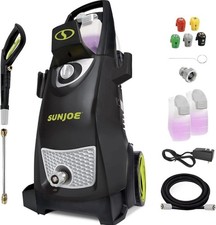
Sun Joe SPX3000 2030 Max PSI Electric Pressure Washer
Check price on Amazon
16,400+ reviews
Adjustable pressure and dual detergent tanks make it the most practical electric washer for deck cleaning without overdoing the PSI.
Shop on Amazon →Best Wood Brightener for Prepping Deck Boards
After you pressure wash, your deck will look cleaner but also darker and more gray than you expected. That gray color is oxidized wood fiber that pressure washing alone cannot remove. A wood brightener restores the natural pH of the wood and opens up the grain so stain or sealer actually penetrates instead of sitting on top.
Restore-A-Deck Wood Brightener is a concentrated oxalic acid formula that has been the go-to in deck restoration circles for years. You mix it with water, scrub it on with a stiff brush, let it sit for 15 minutes, and rinse. The wood comes out looking almost blonde, and you can feel the difference when you run your hand across it. The grain is open, the surface is smooth, and stain will absorb evenly instead of blotching. Do not skip this step. It is the difference between a deck that looks refinished and one that just looks washed.
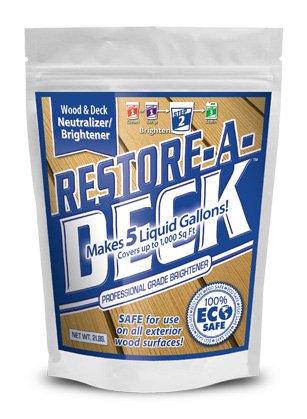
Restore-A-Deck Wood Brightener
Check price on Amazon
1,800+ reviews
Oxalic acid formula that neutralizes tannins, removes oxidation, and opens the grain for even stain absorption.
Shop on Amazon →Best Semi-Transparent Stain for Sound Deck Boards
If your deck boards are still in decent shape with no deep cracking or soft spots, a semi-transparent stain is the right move. It lets the wood grain show through while adding real UV and moisture protection. Semi-transparent also hides minor discoloration without looking painted on.
Armstrong Clark Semi-Transparent Wood Stain has developed a serious following among deck refinishers who have tried the national brands and been disappointed. It is an oil-modified formula that penetrates deeply rather than sitting on the surface, which means it does not peel. On a 400 square foot deck, one gallon covers most of it. Pick your color based on your wood species: Cedar Tone works well on redwood and cedar, Chestnut reads warmer on pressure-treated pine.
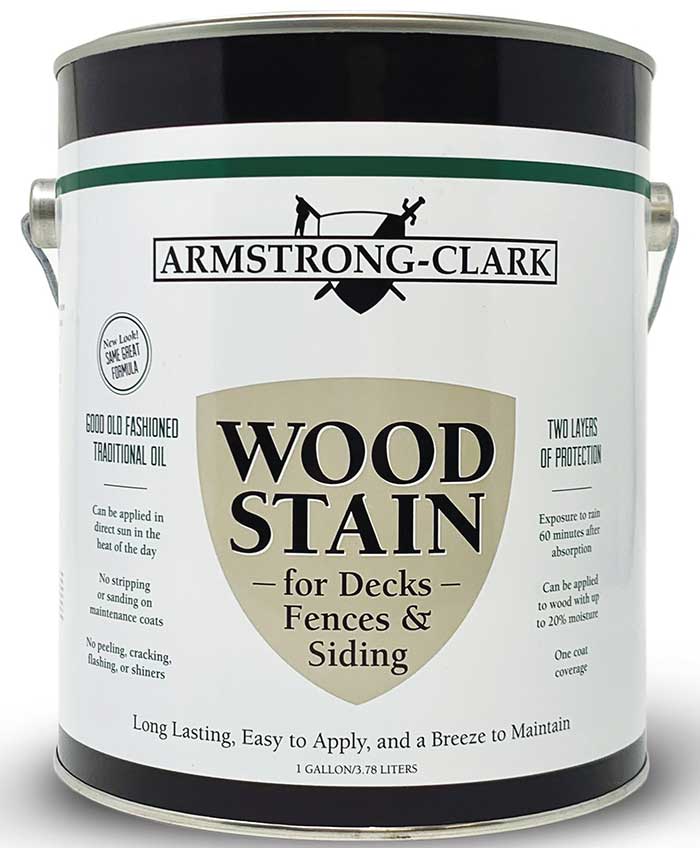
Armstrong Clark Semi-Transparent Wood Stain
Check price on Amazon
2,100+ reviews
Oil-modified formula that penetrates without peeling, available in multiple tones that complement real wood grain.
Shop on Amazon →Best Penetrating Oil for Hardwood and Natural-Look Decks
If you want a completely natural look, or your deck is made of a denser wood like ipe, teak, or cumaru, a penetrating oil is a better fit than a stain. Oils soak into the wood fibers rather than building a film on top, which means they handle foot traffic better and do not crack or peel over time. The trade-off is you may need to reapply every one to two years on high-traffic sections.
Cabot Australian Timber Oil is one of the few products that works on dense tropical hardwoods that repel most sealers. It contains a blend of linseed and tung oil, and it handles cedar, redwood, and pressure-treated pine just as well. On a 400 square foot deck, plan on one to two gallons depending on how dry and absorbent your boards are. Apply it with a paint pad or a quality brush rather than a sprayer so you can work it into the grain. It dries to the touch in about four hours in warm weather.
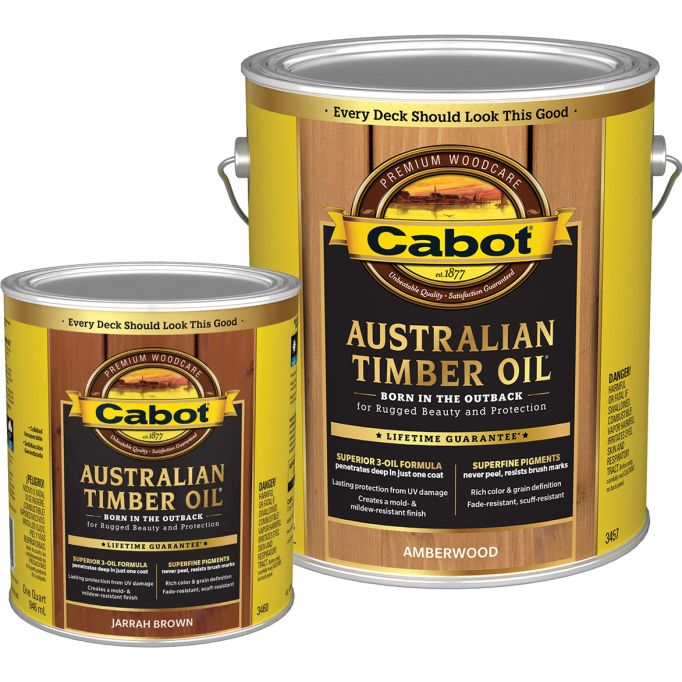
Cabot Australian Timber Oil
Check price on Amazon
3,600+ reviews
Linseed and tung oil blend that penetrates dense hardwoods and pressure-treated lumber without peeling or flaking.
Shop on Amazon →Best Pump Sprayer for Applying Deck Stain
Brushing stain on a large deck by hand is slow and hard on your back. A pump sprayer gets the product down fast and evenly, and you can back-brush with a wide stain brush to work it into the grain in one pass. For a 300 to 400 square foot deck, this cuts application time from three hours to about one.
The Chapin 1949 3-Gallon Deck and Fence Sprayer is built specifically for oil-based stains and sealers. The nozzle and seals are designed to handle solvent-based products that would destroy a cheap garden sprayer. The three-gallon tank is the right size for a deck job. You can load a full gallon of stain, do your spraying, and put on a second coat without stopping to refill constantly. The adjustable cone tip lets you switch from a wide fan for open field boards to a narrower stream for railings and spindles.
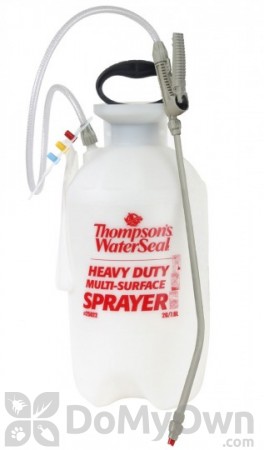
Chapin 1949 3-Gallon Deck and Fence Sprayer
Check price on Amazon
4,900+ reviews
Solvent-compatible seals and an adjustable tip make this the right sprayer for oil-based stains and sealers on wood surfaces.
Shop on Amazon →Quick Tips for Deck Washing and Resealing
- Check the forecast before you start. You need at least 48 hours of dry weather after washing before you apply any stain or sealer. Rain on fresh stain means starting over.
- Let the wood dry completely before staining. Even if the surface feels dry, the interior of the boards holds moisture. Wait a full 24 to 48 hours after washing, or test with a moisture meter, before applying any finish.
- Use the 25-degree tip, not the 15-degree. The 15-degree red tip is for stripping paint off concrete. The narrower the angle, the more damage you do to soft wood fibers.
- Apply stain in the shade or on a cloudy day. Direct sunlight dries stain too fast, leaving lap marks and uneven absorption. Early morning or overcast days give you the best working window.
- Do not apply below 50 degrees Fahrenheit. Most oil-based stains and sealers need temperatures above 50 degrees during application and for several hours after. Cold weather prevents proper curing and ruins the finish.
- Start with railings, then do the floor. Drips from railings onto freshly stained boards will leave marks. Always work from the top down so any drips land on unstained wood you will cover next.
Frequently Asked Questions
How often should I reseal a wood deck?
Most wood decks need resealing every two to three years with a quality penetrating stain or oil. If water stops beading on the surface and soaks in instead, that is a sign it is time to reapply. High-traffic areas around doors and stairs may need attention sooner.
What PSI should I use for pressure washing a wood deck?
Stay between 1200 and 1500 PSI for most wood decks, using a 25-degree fan tip. Softer woods like cedar and pine can suffer grain damage above that range. Keep the wand moving and hold it about 12 inches from the surface.
Should I use a stain or a sealer on my deck?
If your deck boards have visible grain and are in good shape, a semi-transparent stain gives better UV protection and longer color life than a clear sealer. A penetrating oil sealer is better for dense tropical hardwoods or any deck where you want a completely natural look.
How long does deck stain take to dry before you can use the deck?
Most oil-based deck stains are dry to the touch in four to six hours but need 24 to 48 hours before foot traffic and 72 hours before placing furniture. Check the product label since cure times vary by temperature and humidity.
Do I really need a wood brightener after pressure washing?
Yes. Pressure washing cleans the surface but leaves the wood gray and with an altered pH that causes uneven stain absorption. A wood brightener neutralizes the surface and opens the grain so your stain penetrates evenly and bonds properly.