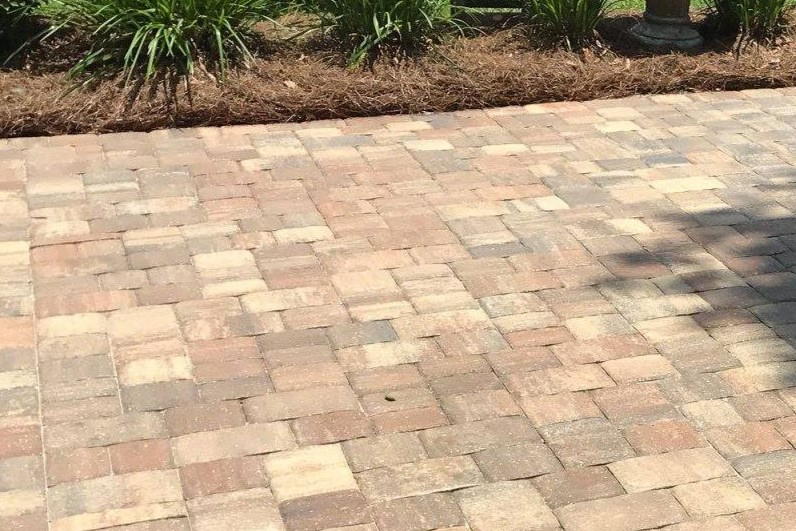
How to Power Wash and Reseal a Brick Patio
A neglected brick patio can look decades older than it actually is. A weekend of focused work, the right pressure washer, and a good penetrating sealer will make it look like you just had it installed.
The process has four main steps: pre-treating stains and organic growth, pressure washing the surface, replacing the polymeric sand in the joints, and applying a sealer. Each step builds on the last, and skipping one will show in the final result.
You don't need to rent a gas-powered commercial unit or hire a contractor. For a typical 200 to 400 square foot patio, an electric pressure washer and one full afternoon is enough to get it done.
Best Electric Pressure Washer for Brick Patios
The Sun Joe SPX3000 puts out 2030 PSI at 1.76 GPM, which is enough to blast out years of dirt, algae, and old sealer from brick joints without eroding your mortar or sand. That balance matters. Anything under 1500 PSI leaves you scrubbing by hand. Anything over 3000 PSI on brick can pit the surface if you hold the nozzle too close.
It comes with five quick-connect nozzle tips, including a 25-degree tip that works well for general surface cleaning and a soap dispenser nozzle for applying pre-treatment. The dual detergent tanks let you run two different cleaning solutions without stopping to swap bottles, which is useful when you're treating oil stains in one area and general grime in another.
For a 300 square foot patio, this machine handles the job in about 90 minutes. Pair it with a surface cleaner attachment and you cut that time nearly in half while getting a more consistent clean across the whole surface.
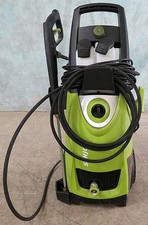
Sun Joe SPX3000 2030 PSI 1.76 GPM Electric Pressure Washer
Check price on Amazon
42,000+ reviews
The sweet spot for brick and paver patios: enough pressure to clean deep, gentle enough to leave joints intact.
Shop on Amazon →Best Surface Cleaner Attachment for Even Results
If you've ever pressure washed a flat surface without a surface cleaner attachment, you know the result: streaky tiger-stripe lines across the whole patio from the fan spray pattern. A surface cleaner spins two jets in a sealed housing so you get a consistent clean without those marks.
The Sun Joe SPX-PCA15 is a 15-inch surface cleaner that connects to any Sun Joe pressure washer or any machine with a standard quick-connect fitting. It covers a 15-inch path with each pass, which means you're moving faster and cleaning more evenly than you would with a standard wand at the same PSI.
On a 300 square foot brick patio, a surface cleaner turns a two-hour job into something closer to 45 minutes. It also keeps the spray contained, which matters if your patio sits close to a house foundation, garden bed, or outdoor furniture you're not moving out of the way.
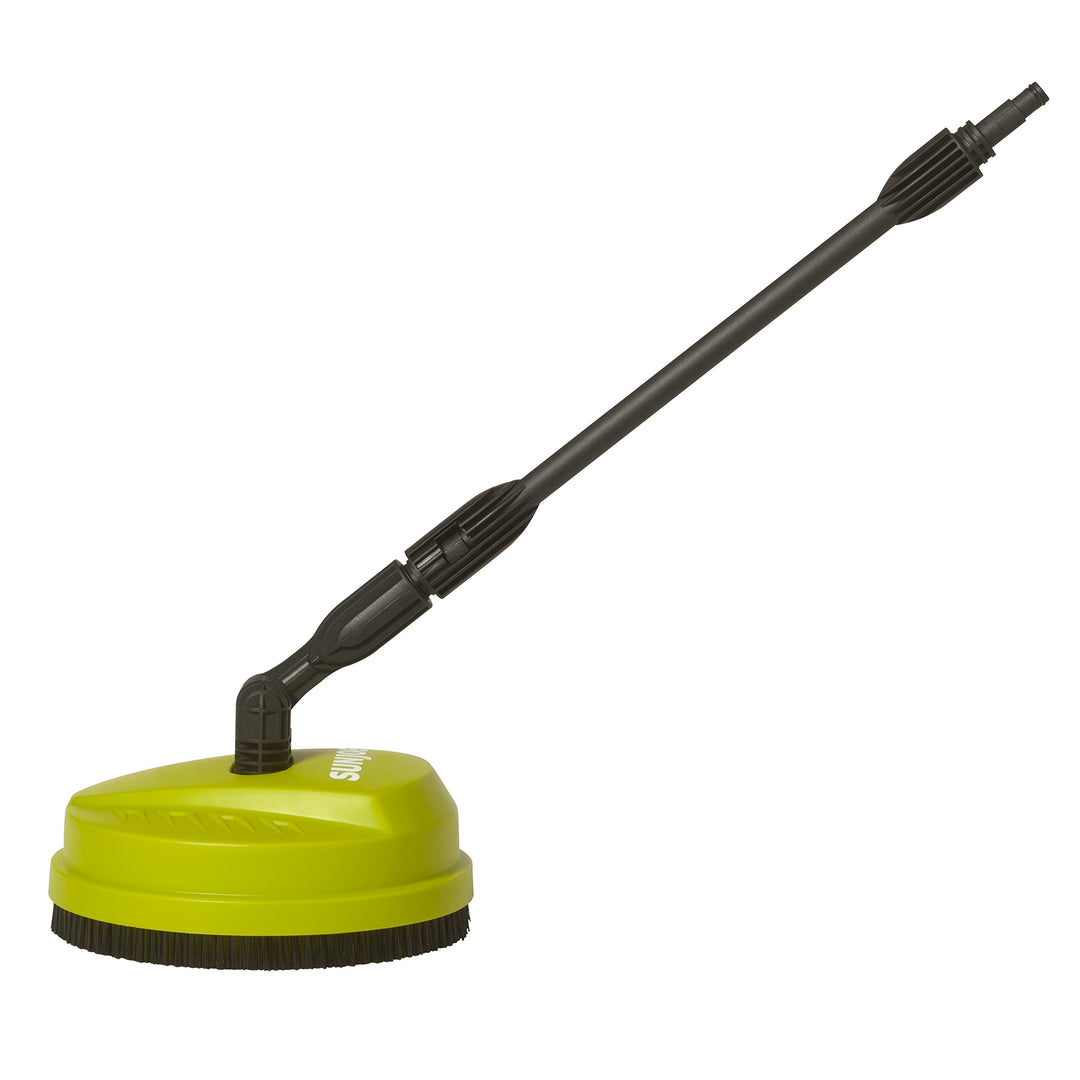
Sun Joe SPX-PCA15 15-Inch Pressure Washer Surface Cleaner Attachment
Check price on Amazon
8,200+ reviews
Eliminates streaky tiger-stripe patterns and cuts flat-surface cleaning time nearly in half.
Shop on Amazon →Best Pre-Treatment for Algae, Mildew, and Stains
Before the pressure washer touches your patio, spray down any areas with algae, mildew, efflorescence (that white chalky mineral residue), or oil stains. Wet and Forget Outdoor Cleaner is a no-scrub formula you spray on, let sit for 15 to 20 minutes, and then pressure wash off. On heavy algae patches, leaving it overnight gives even better results.
It works on brick, concrete, pavers, and stone without bleach, which means it won't strip color from your bricks or kill the plants bordering your patio. That is a real consideration. Most caustic cleaners that work fast also leave a trail of dead grass along the edges and can etch lighter-colored brick.
One 64-ounce bottle covers roughly 2000 square feet at the diluted rate, so for a standard-sized patio, you're using maybe a quarter of the bottle as pre-treatment. The rest stays useful for your driveway, walkways, or wood deck.
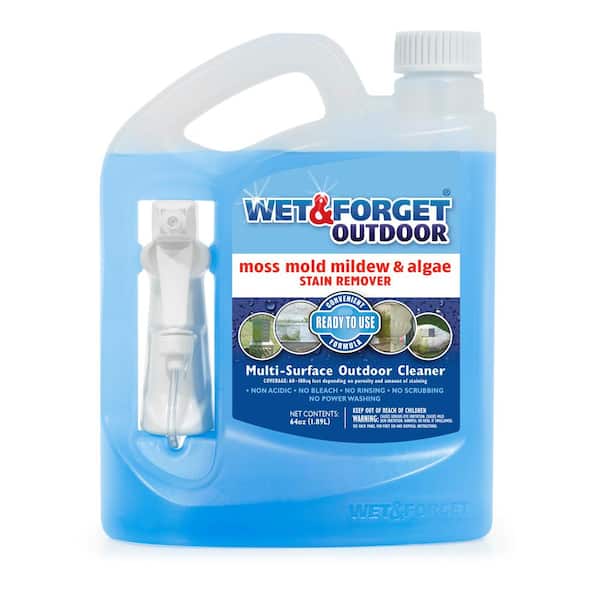
Wet & Forget 10587 Outdoor Ready-to-Use Liquid 64 oz
Check price on Amazon
19,500+ reviews
No-scrub, bleach-free cleaner that handles algae and mildew without harming plants or brick color.
Shop on Amazon →Best Polymeric Sand for Locking Brick Joints
After you pressure wash a brick patio, the joints will be empty or nearly empty. That sand is what keeps your bricks locked in place and prevents weeds from rooting between them. You need to replace it before you seal, or you'll trap air pockets and leave the surface unstable underfoot.
Alliance Gator Maxx G2 Polymeric Sand is what landscaping contractors actually use on professional installs. It activates with water and then hardens into a firm but slightly flexible filler that resists erosion, insects, and weed growth. A 50-pound bag covers roughly 25 to 40 square feet depending on joint width, so a 300 square foot patio typically needs 8 to 12 bags.
The process is straightforward: spread the sand across the patio surface, sweep it into the joints with a stiff push broom, blow off the excess with a leaf blower on low, and then mist the whole surface with water to activate. Let it cure for 24 hours before you apply any sealer.
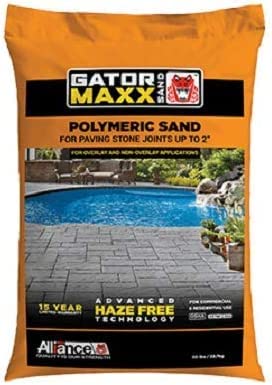
Alliance Gator Maxx G2 Polymeric Sand 50 lb, Beige
Check price on Amazon
3,800+ reviews
Professional-grade polymeric sand that hardens in joints to lock pavers and block weeds at the root.
Shop on Amazon →Best Sealer for Brick and Paver Patios
Foundation Armor AR350 is a solvent-based acrylic masonry sealer that gives brick a low-gloss wet look while creating a water-resistant barrier against staining, salt damage, and freeze-thaw deterioration. It's the sealer to reach for when you want the patio to look freshened up without looking plastic-coated or artificially shiny.
A five-gallon bucket covers 400 to 600 square feet on a porous brick surface, so most patios get done in one bucket. Apply it with a low-pressure pump sprayer or a 3/8-inch nap roller, work in 10-foot sections, and avoid applying in direct sun above 90 degrees. Two thin coats spaced two hours apart give better adhesion and durability than one heavy application.
The AR350 is UV stable, which matters in a sealer. A coating that yellows after one summer looks worse than no sealer at all. Expect to reapply every two to three years depending on foot traffic and winter exposure. For a 400 square foot patio, you're looking at roughly $85 every couple of seasons to keep the surface protected.
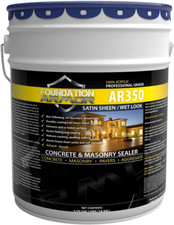
Foundation Armor AR350 Solvent Based Acrylic Concrete Sealer 5 Gallon
Check price on Amazon
2,100+ reviews
UV-stable, low-gloss acrylic sealer that protects brick and pavers from staining and freeze-thaw damage for two to three seasons.
Shop on Amazon →Quick Tips for Brick Patio Maintenance
- Start with the 25-degree yellow nozzle. The red zero-degree tip will etch brick and blow out joint sand fast. Use the 25-degree yellow tip for general cleaning and hold it at least 12 inches from the surface.
- Never seal over damp brick. Wait at least 48 to 72 hours after pressure washing before applying sealer, especially in humid climates. Trapped moisture under a sealer causes it to peel and cloud within one season.
- Do a water bead test before you buy anything. Sprinkle water on your existing brick. If it beads up, there's still active sealer and you may only need a cleaning. If the water absorbs immediately, it's time to seal.
- Blow off polymeric sand before activating with water. Leaving excess sand particles on the brick surface when you mist it creates a haze that's difficult to remove. A leaf blower on low cleans the surface before you activate.
- Clear joints before adding new sand. Use an old flathead screwdriver to scrape out any compacted debris from the joints first. New polymeric sand bonds better going into a clean channel rather than sitting on top of old buildup.
Frequently Asked Questions
How often should you reseal a brick patio?
Every two to three years for a patio with moderate foot traffic and normal weather exposure. In areas with harsh winters and road salt runoff, plan on every two years. Run the water bead test each spring to check whether the existing sealer is still working.
What PSI should you use to pressure wash a brick patio?
Between 1500 and 2500 PSI works well for most brick and paver surfaces. Stay toward the lower end for older or softer brick. Hold the nozzle 12 to 18 inches from the surface and use a 25 or 40-degree tip, never the zero-degree red tip.
Can you reseal a brick patio without pressure washing first?
Technically yes, but the sealer won't bond to a dirty surface and will peel or flake within a season. Pressure washing removes old sealer residue, organic growth, and surface grime that would otherwise sit between the brick and the new coating.
How long does polymeric sand take to cure before you can walk on the patio or apply sealer?
Most polymeric sands need 24 to 48 hours to fully harden before foot traffic or sealer application. Check the specific product instructions, but never seal in under 24 hours even if the surface feels dry.