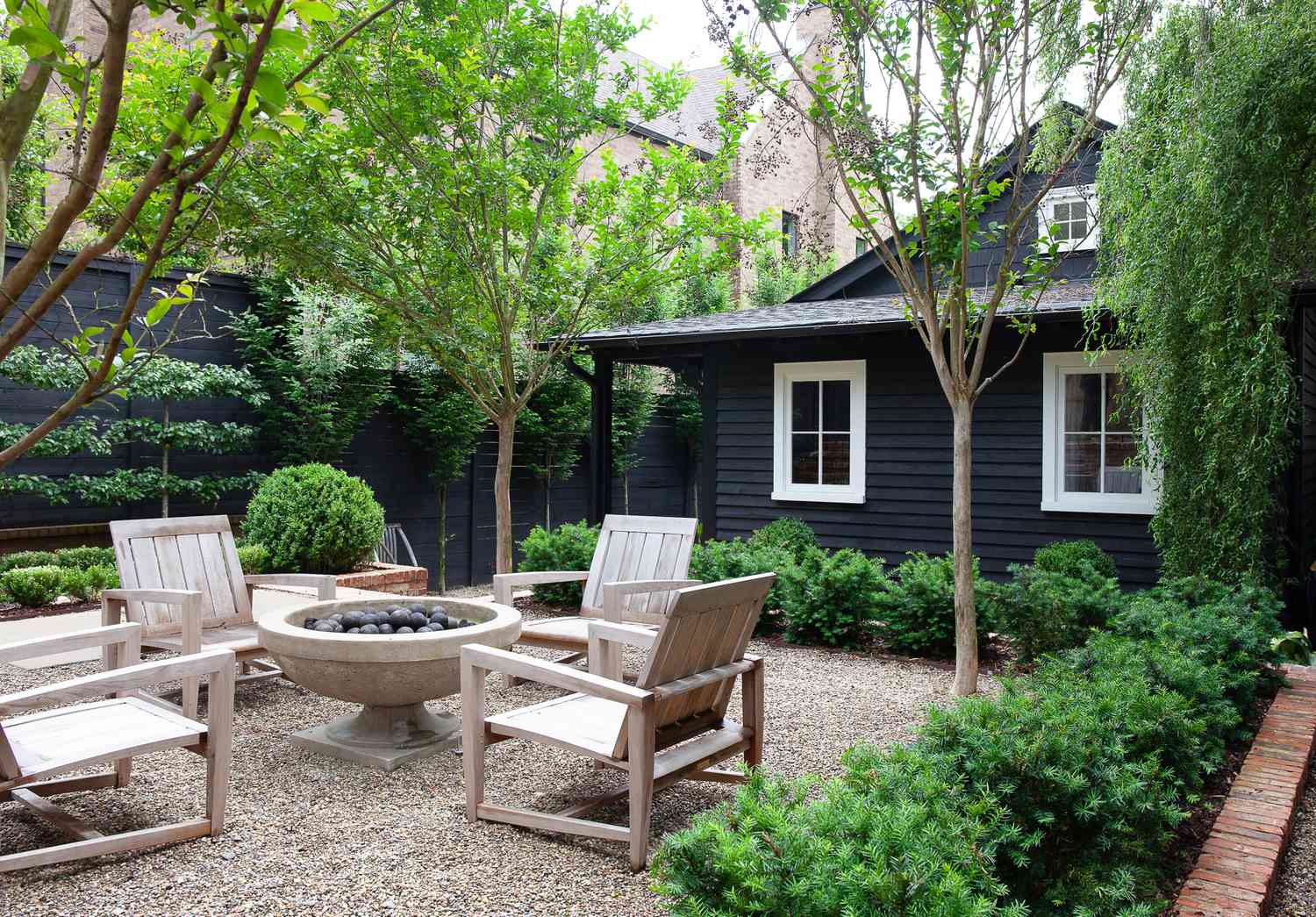
How to Landscape Around a Backyard Fire Pit
A fire pit without a proper clearance zone is both a safety problem and a design miss. Getting the ground cover, edging, and ember protection right turns a bare patch of scorched grass into something that looks like it was planned from the start.
Most fire safety guidelines call for at least 10 feet of clearance from any structure, and that space deserves better than patchy turf and a prayer. Crushed gravel, decomposed granite, and concrete pavers are the right materials for that inner zone. They handle heat, they look clean year-round, and they give sparks nowhere to go.
This guide covers five products that work together for a complete DIY fire pit landscape. You can tackle this in a weekend with basic tools, and the result holds up through freeze-thaw cycles, rain, and regular use.
Best Ember Protection for the Area Directly Around the Pit
The first few feet immediately surrounding your fire pit take the hardest hits. Embers land here, radiant heat comes down, and any organic material like dry grass or bark mulch is a genuine fire risk. The Campfire Defender Ember Mat gives you a heat-resistant fiberglass barrier that sits directly under and around the pit base, catching sparks before they reach whatever surface is underneath.
The 6.5-foot round size covers a standard 24 to 36-inch fire pit with enough margin on all sides to catch most stray embers. If you're already setting the pit on gravel or pavers, this mat still earns its keep as a backup layer for longer burns when you're not watching every spark. It rolls up for storage and handles temperatures well above what a wood-burning pit will produce in a backyard setting.
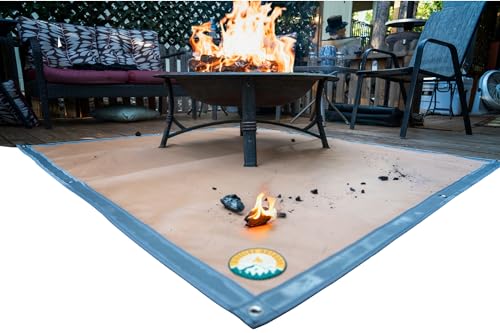
Campfire Defender Protect Preserve Ember Mat
Check price on Amazon
3,200+ reviews
A fiberglass ember mat that protects ground surfaces from heat and sparks directly around any wood-burning fire pit.
Shop on Amazon →Best Weed Barrier to Go Under Gravel or Crushed Stone
If you're putting down a gravel or decomposed granite clearance zone, and you should, a weed barrier underneath it is not optional. Skip this layer and you'll be pulling weeds through rock within one growing season. The EcoGardener Premium Weed Barrier is a heavy 5oz woven fabric that blocks enough light to kill existing grass and prevent new growth, without trapping water the way plastic sheeting does.
For a standard 15-foot diameter fire pit zone, one 3x100ft roll gives you more than enough material to work with. Overlap the seams by at least 6 inches and pin everything every 2 feet with landscape staples. The fabric breathes, so rainwater passes through instead of pooling underneath your gravel, which matters in climates that get heavy spring rain or go through multiple freeze cycles each winter.
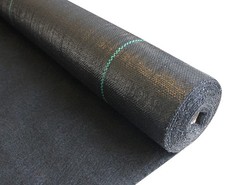
EcoGardener Premium 5oz Pro Garden Weed Barrier Landscape Fabric 3 x 100 ft
Check price on Amazon
8,600+ reviews
Heavy 5oz woven fabric that suppresses weeds under gravel or pavers without blocking drainage or trapping water.
Shop on Amazon →Best Edging to Define the Fire Pit Clearance Zone
Clean borders are what separate a DIY project from one that looks professionally installed. The Dimex EasyFlex landscape edging bends around any shape, including the curved perimeter of a circular fire pit zone, without kinking or cracking when temperatures drop. The no-dig design means you're driving stakes into the ground rather than cutting a trench, which turns a full weekend project into a couple hours of actual work.
A 50-foot roll handles a circle with roughly a 15-foot diameter, which is the right scale for most backyard fire pit setups with seating along the edges. The black profile disappears into a gravel border and holds stone or crushed granite cleanly in place. If your fire pit sits inside a larger hardscape patio, use the edging to create a defined inner gravel ring with a mulch-free buffer zone beyond it before the planting beds start.
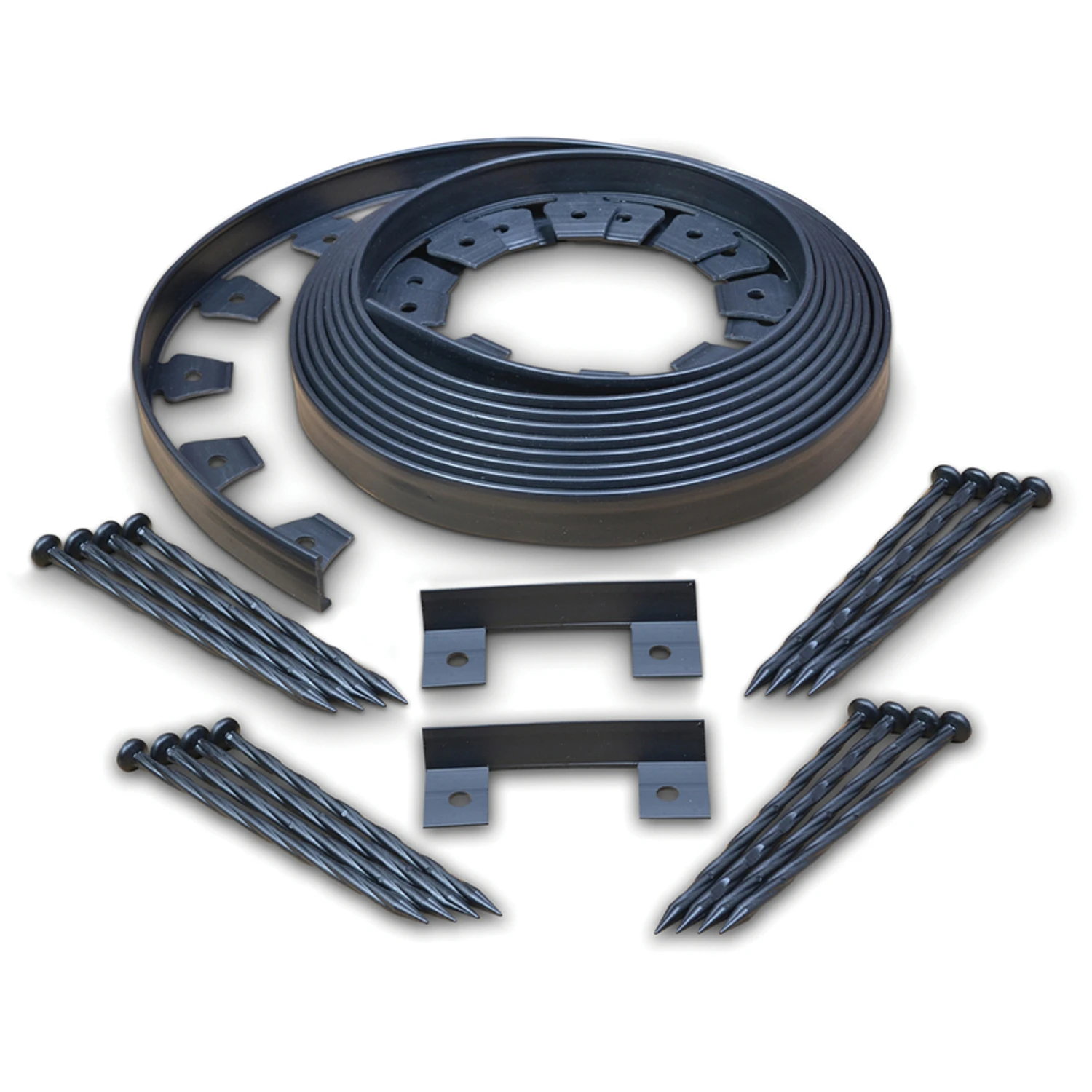
Dimex EasyFlex No-Dig Plastic Landscape Edging Kit 50-foot
Check price on Amazon
11,400+ reviews
Flexible, cold-weather-resistant edging that curves around fire pit zones and holds gravel borders cleanly without digging a trench.
Shop on Amazon →Best Polymeric Sand for Locking Pavers Together
If you're going the paver route instead of straight gravel, this is the product that makes the difference between a paver patio that holds its position for years and one that shifts and sprouts weeds by the second summer. Alliance Gator Maxx G2 polymeric sand fills the joints between pavers and hardens when activated with water, locking everything in place and leaving no gaps for plants to push through.
It handles joints from 1/8 inch to 3 inches wide, which covers flagstone, standard concrete pavers, and most natural stone. For a 12x12 foot fire pit patio with 12-inch pavers, one 50-pound bag covers roughly 40 square feet of jointing. The G2 formula handles more moisture and freeze-thaw stress than older polymeric sand products, which matters in zones 5 and colder where ground movement is a real issue. Sweep it into dry joints, mist it, and give it 24 hours before you light the first fire.
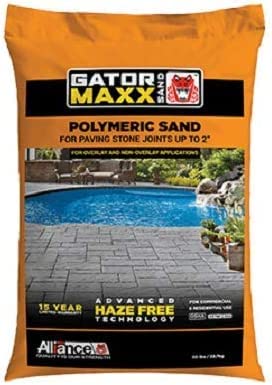
Alliance Gator Maxx G2 Polymeric Sand 50 lb Beige
Check price on Amazon
4,800+ reviews
Professional-grade polymeric sand that hardens in paver joints to block weeds and resist shifting through freeze-thaw cycles.
Shop on Amazon →Best Tool for Compacting the Gravel Base Yourself
Whether you're laying pavers or pouring a gravel bed, a compacted base is what keeps your surface from developing low spots after the first heavy rain. Renting a plate compactor for a 15-foot circle is overkill and not cheap. The Razor-Back 49-inch tamper is a manual tool with a cast iron head that does real compaction work on a 2 to 3-inch gravel or sand layer without the equipment rental.
The process is straightforward: tamp the base soil first, lay the weed barrier, pour 2 to 3 inches of crushed gravel or decomposed granite, and tamp again before adding a top layer. The cushion grip handle makes this a lot more manageable than a bare metal pole, and the whole job on a standard fire pit clearing takes maybe 20 to 30 minutes. This step is what prevents your gravel from looking neglected six months after you install it.
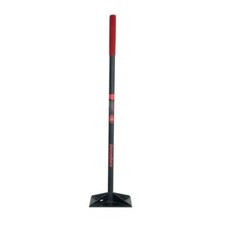
Razor-Back 49-inch Tamper with Cushion Grip Handle
Check price on Amazon
1,900+ reviews
A heavy cast iron manual tamper that compacts gravel and soil bases for a stable fire pit surface without renting a plate compactor.
Shop on Amazon →Quick Tips for Fire Pit Landscaping
- Keep at least 10 feet of clearance. Most fire safety guidelines call for 10 feet between the fire pit edge and any structure, fence, or tree canopy. Your gravel or paver zone should create that buffer before planting beds begin.
- Use crushed gravel, not pea gravel, as your base. Pea gravel rolls underfoot, shifts constantly, and feels unstable around seating. Crushed granite or crusher run compacts into a solid, stable surface that holds its shape through the seasons.
- Keep wood mulch at least 8 feet back. Organic mulch within the inner clearance zone is a genuine spark risk. Use it only in planting beds beyond the gravel perimeter, and keep those beds watered so the material stays moist.
- Slope slightly away from the pit base. A 1 to 2 percent grade away from the fire pit keeps rainwater from pooling around the base, which extends the life of both the pit and whatever ground surface surrounds it.
- Pick fire-resistant plants for the outer ring. Succulents, stonecrop sedum, creeping thyme, and blue fescue hold moisture well and don't produce dry woody material that catches easily. Keep them pruned and back at least 6 to 8 feet from the pit.
- Leave yourself a clear path for ash cleanup. Design your paver or gravel layout with a 2 to 3-foot open approach to the fire pit. A layout that closes in too tightly around the base makes routine cleaning and loading wood a constant hassle.
Frequently Asked Questions
What should I put on the ground around a fire pit?
Crushed gravel, decomposed granite, and concrete pavers are the best options. They handle heat and sparks without risk and look clean year-round. Avoid wood mulch, rubber mulch, or any organic material within 6 to 8 feet of the pit.
How big should the clearance zone be around a fire pit?
A minimum 10-foot radius from the pit edge is the standard safety recommendation. For a 36-inch fire pit, that means your gravel or paver zone should extend at least 10 feet in every direction before you hit grass, mulch, or plantings.
Do I need a mat or barrier under the fire pit itself?
On a wood deck, yes, a fire pit mat rated for high heat is required. On gravel, pavers, or concrete, it's optional but adds real protection against heat transfer and stray sparks. The Campfire Defender Ember Mat is designed for exactly this.
What plants are safe to grow near a backyard fire pit?
Succulents, sedum, creeping thyme, lavender, and ornamental grasses like blue fescue all work well in the outer planting ring. They hold moisture and don't produce dry, flammable material. Keep them watered and set back at least 6 to 8 feet from the pit edge.
Can I use polymeric sand between flagstones around a fire pit?
Yes, and it is the right move. Polymeric sand locks flagstone joints so weeds cannot push through and the stones stay put through winter ground movement. Use a formula rated for joints up to 3 inches if your flagstone gaps are irregular.