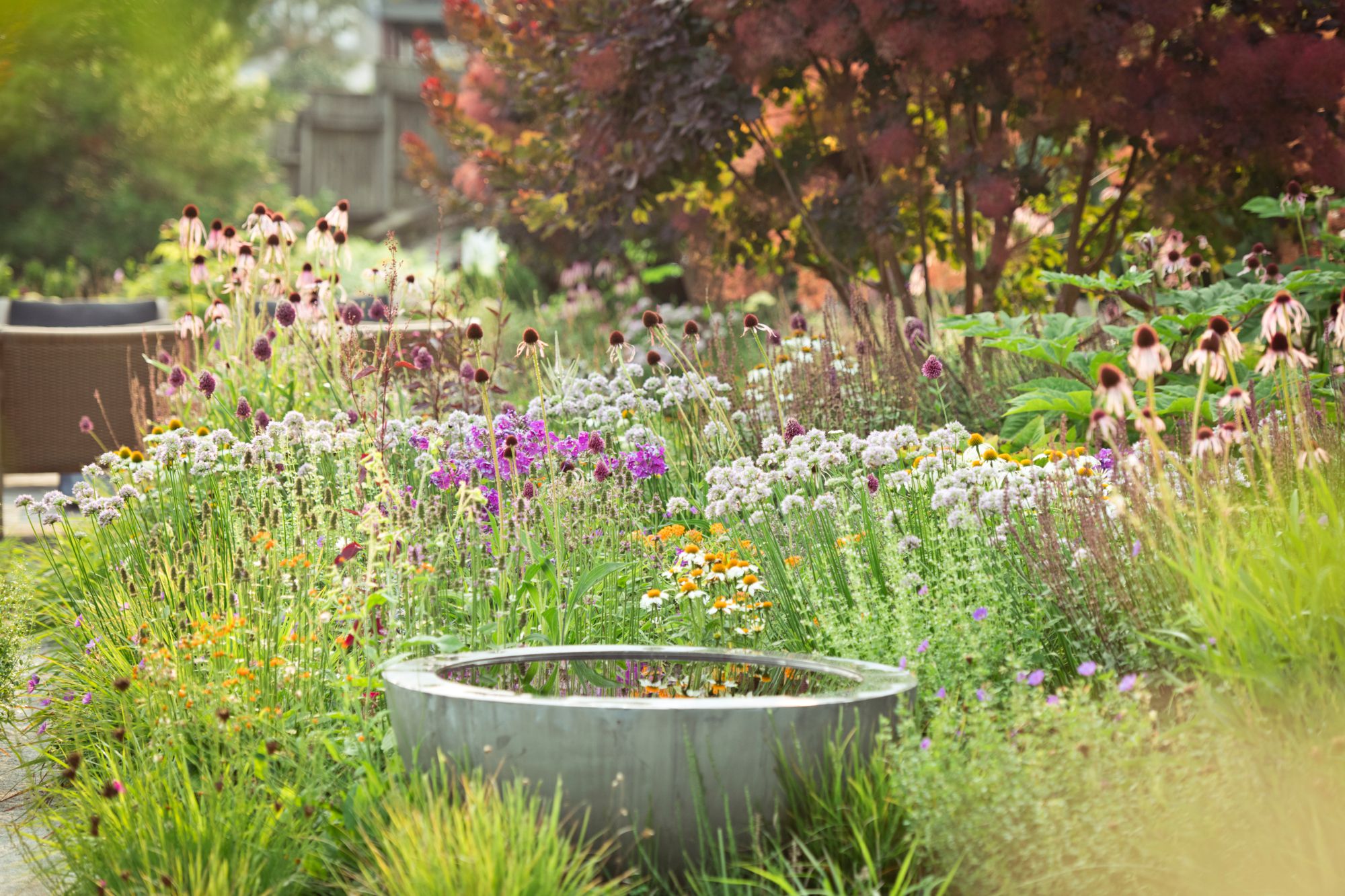
How to Create a Pollinator Garden on Your Patio
A 10x10 patio can support dozens of bee and butterfly visits per day if you plant the right things. You don't need a yard, a big budget, or a green thumb to make it work.
The key is choosing native flowering plants and giving them the right containers. Most pollinators are drawn to simple, open-faced flowers like coneflowers, black-eyed Susans, and lavender. Native varieties attract far more local bee species than hybrid ornamentals bred for looks over function.
This guide covers everything you need to get started: the planters, the soil, the seeds, and a few extras that turn a row of pots into an actual habitat worth visiting.
Best Self-Watering Planter for Native Perennials
Pollinator plants like coneflowers and salvia need consistent moisture, but they hate sitting in waterlogged soil. That's the exact problem the Crescent Garden TruDrop solves. The reservoir at the bottom feeds water up through the soil as the plant draws on it, which keeps roots happy without daily monitoring.
The large round version holds enough volume for two or three medium-sized perennials, which gives you the plant density that actually draws bees in. On a small patio, two or three of these clustered together create a visible patch of color that pollinators can spot from a distance. The neutral concrete-look finish works with most patio aesthetics without looking like something you grabbed at a garden center.
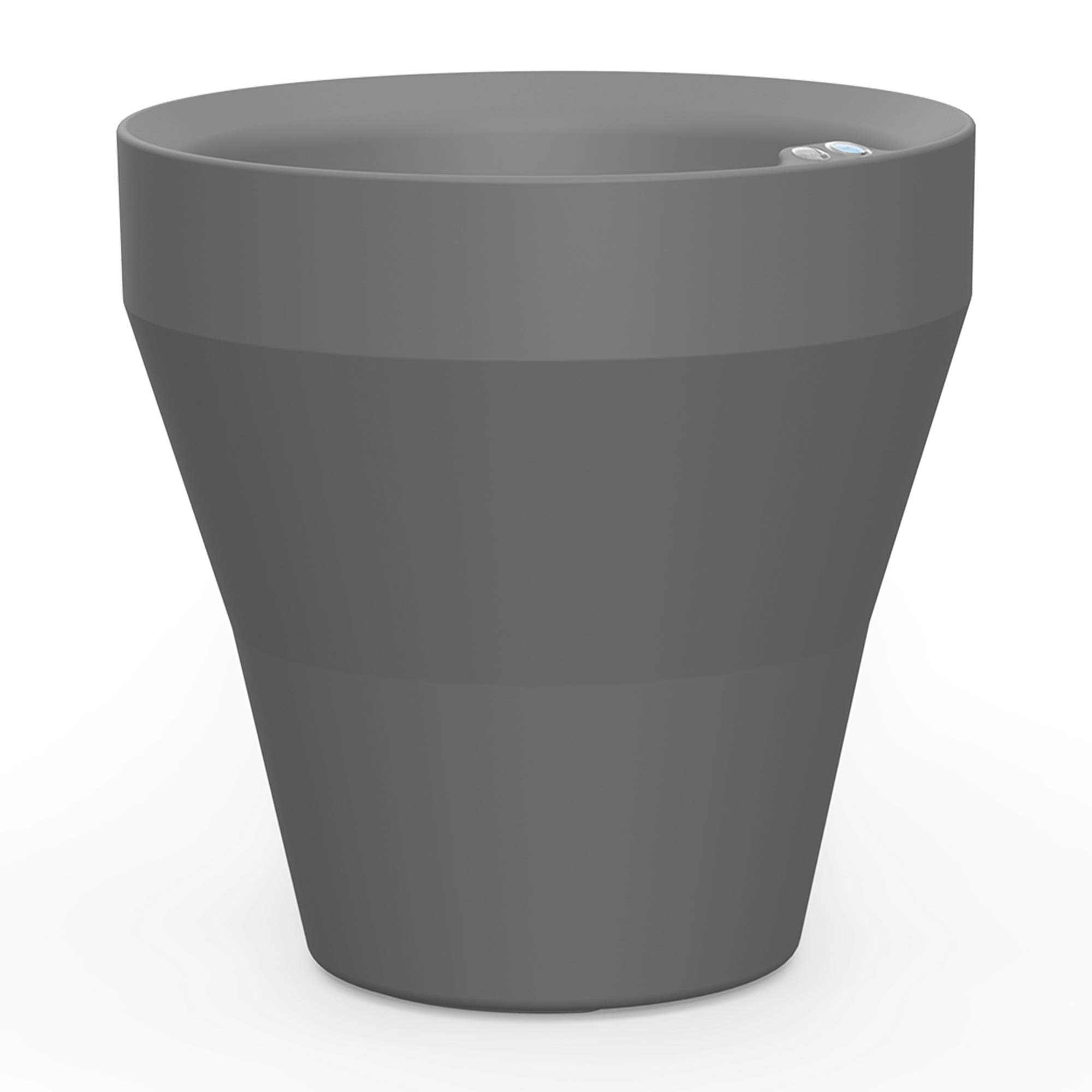
Crescent Garden TruDrop Large Round Self-Watering Planter
Check price on Amazon
2,400+ reviews
The sub-irrigation reservoir keeps native perennials at ideal moisture levels, and the 16-inch diameter comfortably fits 2-3 pollinator plants.
Shop on Amazon →Best Native Wildflower Seed Mix for Patio Containers
American Meadows has been selling native seed mixes for decades, and their Butterfly and Bee Wildflower Seed Mixture is genuinely well put together. It includes 23 species, among them cosmos, black-eyed Susan, zinnia, and sweet alyssum, with bloom times staggered across the season so you're not left with empty pots by August.
For container gardening, start seeds indoors 6 to 8 weeks before your last frost date and transplant the seedlings once they're established. You can also direct-sow into larger containers in spring. One packet covers far more seeds than a patio setup needs, so save the extra for next year or scatter them in bare spots around the yard. The variety here matters: different bee species have different flower preferences, and this mix covers a wide range.
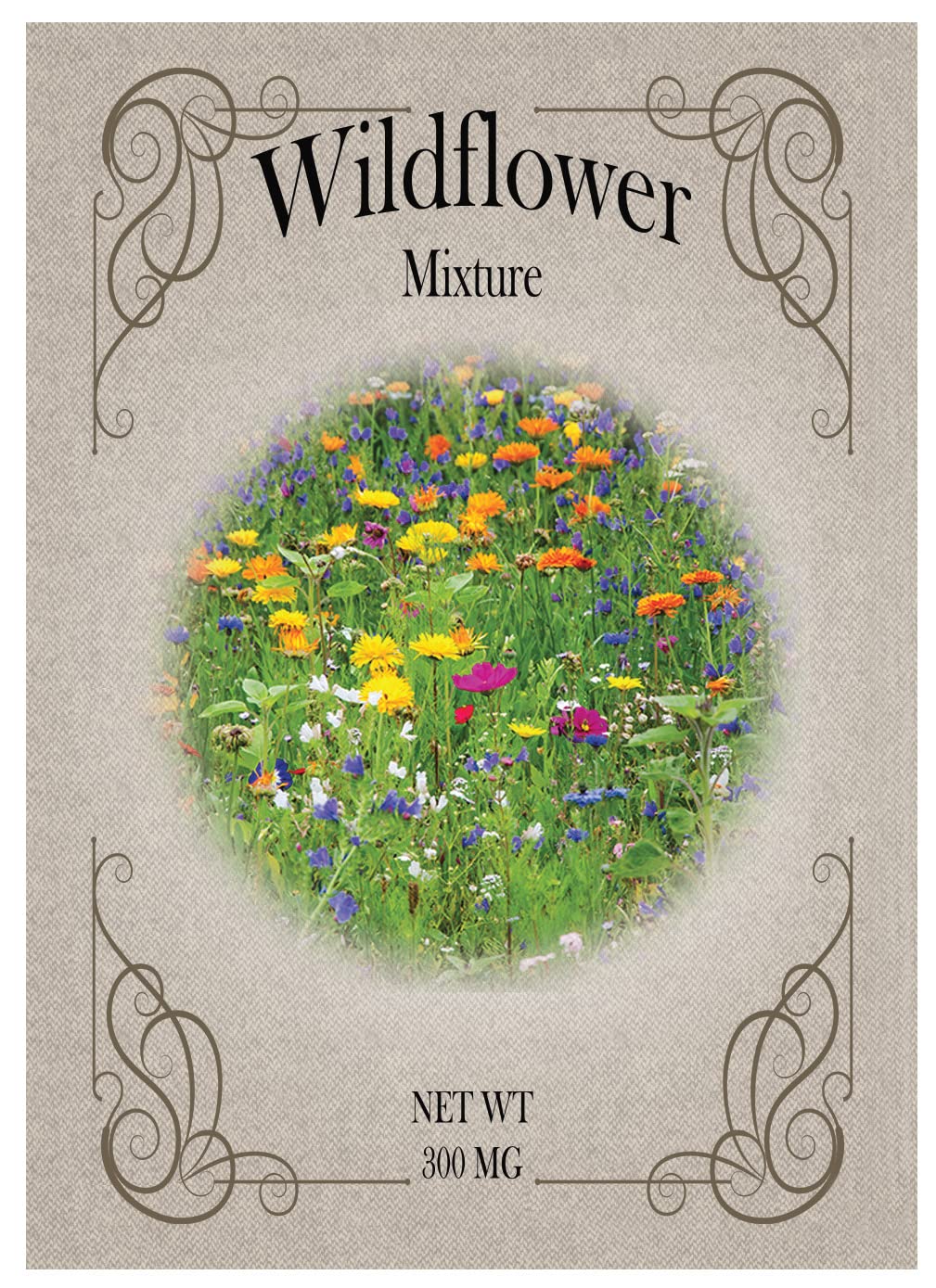
American Meadows Butterfly and Bee Wildflower Seed Mixture
Check price on Amazon
8,500+ reviews
Twenty-three native and naturalized species with staggered bloom times, so something is always flowering from early summer through fall.
Shop on Amazon →Best Railing Planter for Balconies With Limited Floor Space
If your patio is really a balcony and floor space is the constraint, the Lechuza Balconera Color 50 is one of the better options available. It mounts directly onto most standard railings without drilling, and the built-in sub-irrigation system means you can go two to three weeks between waterings once plants are established.
At 20 inches long, it fits a nice row of lavender or trailing verbena, both of which are reliable butterfly draws. The clean, modern profile doesn't look like a plastic box hanging off your railing. Lechuza's build quality is noticeably better than most railing planters at this price, and the UV-stabilized material holds up through several seasons without cracking or fading. Pollinators absolutely visit balconies at height. The plants are what matter, not the floor you're on.
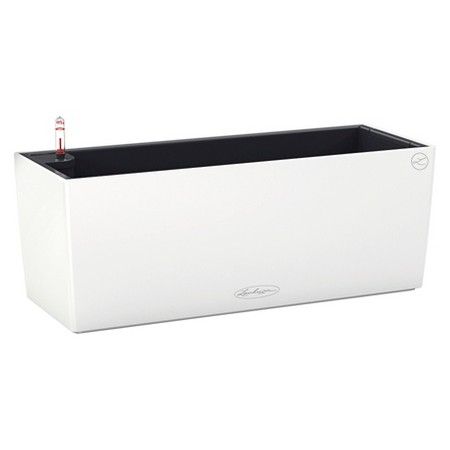
Lechuza Balconera Color 50 Self-Watering Railing Planter
Check price on Amazon
1,200+ reviews
German-engineered sub-irrigation with a no-drill railing mount that works on most standard balcony railings and holds enough soil for a full row of blooms.
Shop on Amazon →Best Potting Soil for Container Pollinator Plants
Most native plants are adapted to lean, well-draining soil. That's the opposite of what standard potting mixes provide. FoxFarm Ocean Forest is one of the few bagged soils that drains well while still holding enough nutrients for the first few months of growth. It's slightly acidic, which suits a wide range of pollinator favorites including coneflower, bee balm, and lavender.
The blend includes composted forest materials, earthworm castings, and bat guano. That combination translates to plants that establish faster and bloom more reliably than they do in generic potting mix. For a patio setup with three to five containers, one 1.5 cubic foot bag usually covers the job. Skip the fertilizer for the first season. The soil has more than enough built in.
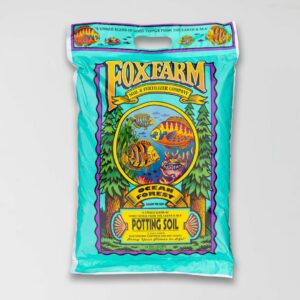
FoxFarm Ocean Forest Potting Soil Mix
Check price on Amazon
15,200+ reviews
A well-draining, nutrient-rich blend with earthworm castings and composted organics that gives container-grown native plants a strong start without added fertilizer.
Shop on Amazon →Best Mason Bee House for a Patio Habitat
Honeybees get most of the attention, but mason bees are actually more efficient pollinators for garden plants. They're solitary, they almost never sting, and a single mason bee can pollinate as many flowers as a dozen honeybees. Mounting a bee house near your containers is one of the simplest things you can do to increase activity on a patio.
The Kibaga Mason Bee House is built from untreated cedar with correctly-sized tubes, which is what actually determines whether bees use it. Cheap versions often use tubes that are the wrong diameter or made from materials that retain moisture and kill the larvae. This one includes replacement tubes so you can refresh it each spring. Mount it under an eave or on a south-facing wall about five to six feet off the ground, and you'll typically see bees investigating within a few weeks of planting season.
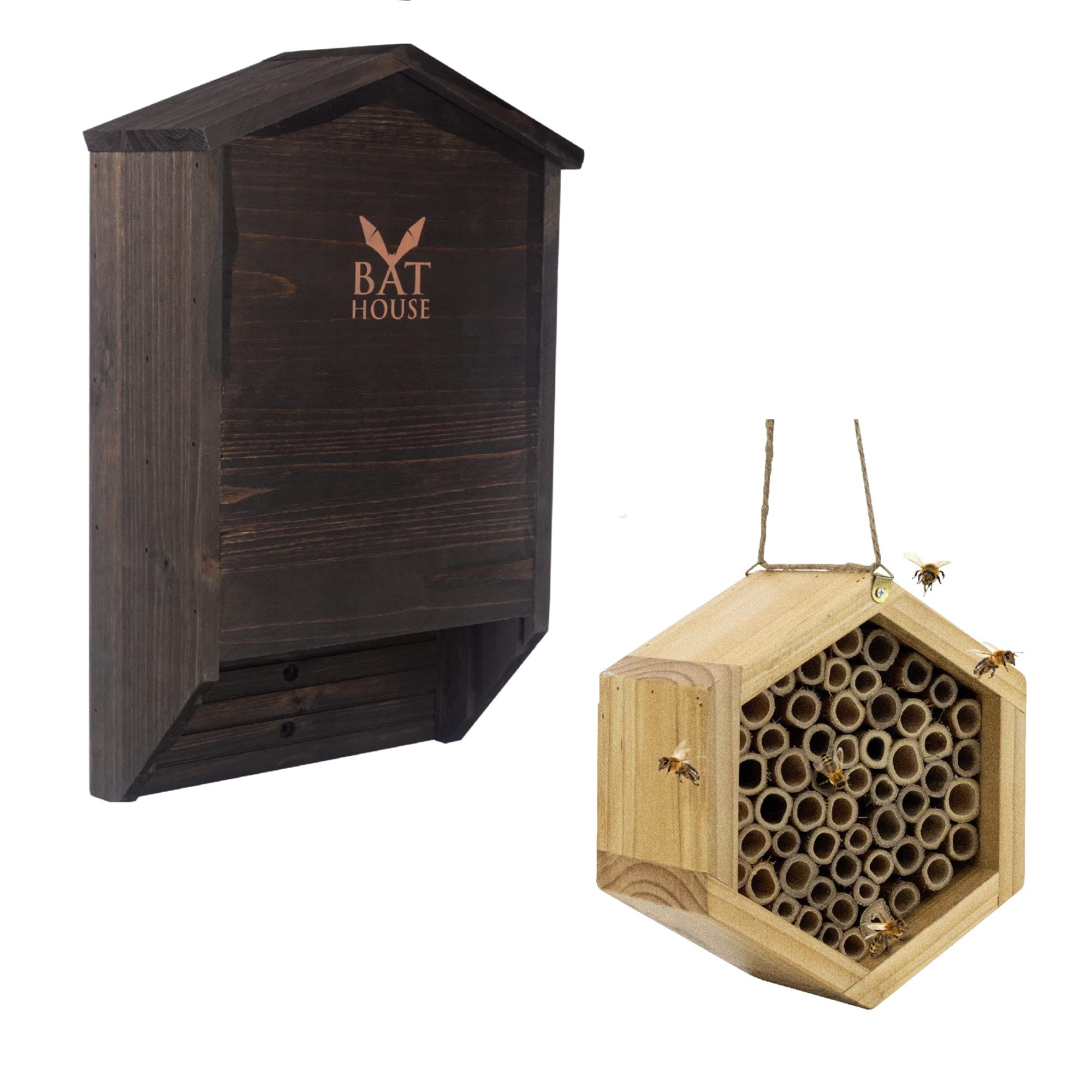
Kibaga Large Wooden Mason Bee House
Check price on Amazon
3,800+ reviews
Untreated cedar construction with properly-sized tubes and replaceable inserts, built to actually attract and support mason bee populations rather than just look decorative.
Shop on Amazon →Quick Tips for Patio Pollinator Gardens
- Prioritize native plants. Native species attract three to four times more pollinators than non-native ornamentals. Look for plants labeled native to your region at local nurseries, or order from native seed companies like American Meadows or Prairie Moon Nursery.
- Group your containers. Bees navigate by color patches, not individual plants. Clustering three to five pots together creates a visible target they can spot from a distance. A single isolated pot gets far less traffic.
- Add a water source. A shallow dish with pebbles and an inch of water gives bees and butterflies a place to drink without drowning. Change the water every two to three days to keep mosquitoes from breeding.
- Skip the pesticides. Even organic sprays can harm pollinators. If you get aphids, try a strong stream of water first, then insecticidal soap applied in the evening when bees are less active.
- Plant for overlapping bloom times. Choose at least one early bloomer, one mid-season plant, and one late-season flower. A garden that only blooms in June goes quiet the rest of the summer.
- Avoid double-bloomed varieties. Flowers bred for extra petals, like double-bloom zinnias or pompom dahlias, often have little or no accessible nectar. Bees bypass them. Stick to single-petal, open-faced flower types.
Frequently Asked Questions
What plants attract the most pollinators in containers?
Lavender, black-eyed Susan, coneflower, salvia, and bee balm consistently draw the most bee and butterfly traffic in containers. Native varieties outperform hybrids. Aim for plants with open, accessible flowers rather than double-bloomed decorative types that pollinators can't easily reach.
Can I create a pollinator garden on a second-floor balcony?
Yes, pollinators readily visit balconies as long as there are flowering plants to find. Bees will fly several miles to forage, so height is not a real barrier. Use railing planters to maximize space and keep at least three to four flower varieties to provide options.
Do pollinator gardens attract stinging insects?
The bees attracted to garden flowers are foraging bees, which rarely sting unless physically handled or threatened. Mason bees, sweat bees, and bumblebees are common garden visitors and are generally docile around people. Wasps are a different matter, but they're not typically drawn to flower gardens.
How long until pollinators find a new container garden?
Most gardens start seeing bee activity within two to three weeks of planting once flowers open. Mason bee houses can take a full season before bees move in. Planting in spring, when bees are actively scouting for new food sources, speeds things up significantly.