How to Create a Four-Season Outdoor Living Space
Most patios sit empty from October through April. That's five months of wasted space, and it doesn't have to be that way.
A genuinely four-season outdoor room isn't about buying one magic product. It's about layering solutions: heat for the cold months, shade for the hot ones, weather barriers for wind and rain, and furniture that holds up through all of it.
These five products cover the core problems. Get them right and your porch or patio becomes a room you actually use all year.
Best Infrared Heater for Covered Porches
Propane towers are fine for occasional use, but if you want to sit outside on a 38-degree November evening without moving a tank around, a wall-mounted infrared heater changes everything. Infrared heat works like sunlight: it warms people and objects directly instead of trying to heat the open air, which means it stays effective even with a breeze.
The Bromic Heating Tungsten 500W mounts flush to any wall or ceiling and covers roughly a 10x12 foot area comfortably. It doesn't blow heat around or make noise. You flip a switch and within about 30 seconds it's warm. On a covered 12x16 porch with two of these, you can host dinner in January in most parts of the country without anyone reaching for a coat.
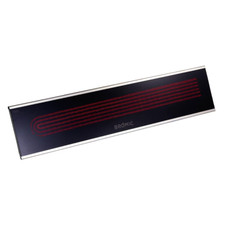
Bromic Heating BH0320003 Tungsten Smart-Heat 500W Electric Outdoor Heater
Check price on Amazon
2,100+ reviews
A commercial-grade infrared heater that mounts to any ceiling or wall and genuinely extends your outdoor season into winter.
Shop on Amazon →Best Shade Sail for Summer Heat and Spring Glare
A pergola handles overhead shade, but a shade sail covers more ground with less structure. If you have an uncovered 10x10 or 12x12 patio, a triangular shade sail mounted between the house, a post, and a fence corner blocks the afternoon sun that makes outdoor spaces uninhabitable from 2pm to 6pm in July. It's the fastest fix for a sun-baked slab.
The Coolaroo 16-foot triangle is the one that actually holds up season after season. It's UV-stabilized HDPE fabric that blocks 90% of UV rays while letting air flow through, so it doesn't trap heat underneath. You attach the corners with tension hardware into posts or existing structures, and it handles moderate wind without turning into a kite. It won't stop rain, but for sun and glare management it's hard to beat at this price.
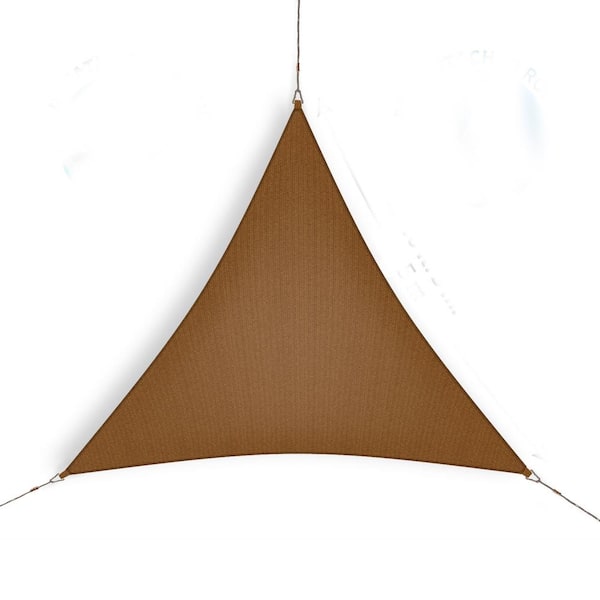
Coolaroo 16 ft. 3 in. Triangle Shade Sail
Check price on Amazon
8,400+ reviews
Durable HDPE fabric that blocks 90% of UV rays with enough airflow underneath to keep things genuinely cool.
Shop on Amazon →Best Outdoor Curtains for Wind and Rain Blocking
Spring and fall outdoor living often gets ruined by wind, not cold. A 15 mph breeze on a 55-degree evening feels miserable, but the same temperature with a windbreak is genuinely comfortable. Outdoor curtains on a pergola or covered porch create that windbreak without closing the space off, and they add a visual warmth that turns a utilitarian patio into a room.
NICETOWN makes outdoor curtain panels built specifically for exterior use. They're a waterproof polyester that sheds rain, resists mildew, and doesn't fade badly after a season in the sun. The panels are also weighted at the bottom, which keeps them from billowing wildly in normal wind. For a 10x10 patio, four panels give you solid coverage on two sides while keeping the view open on the other two.
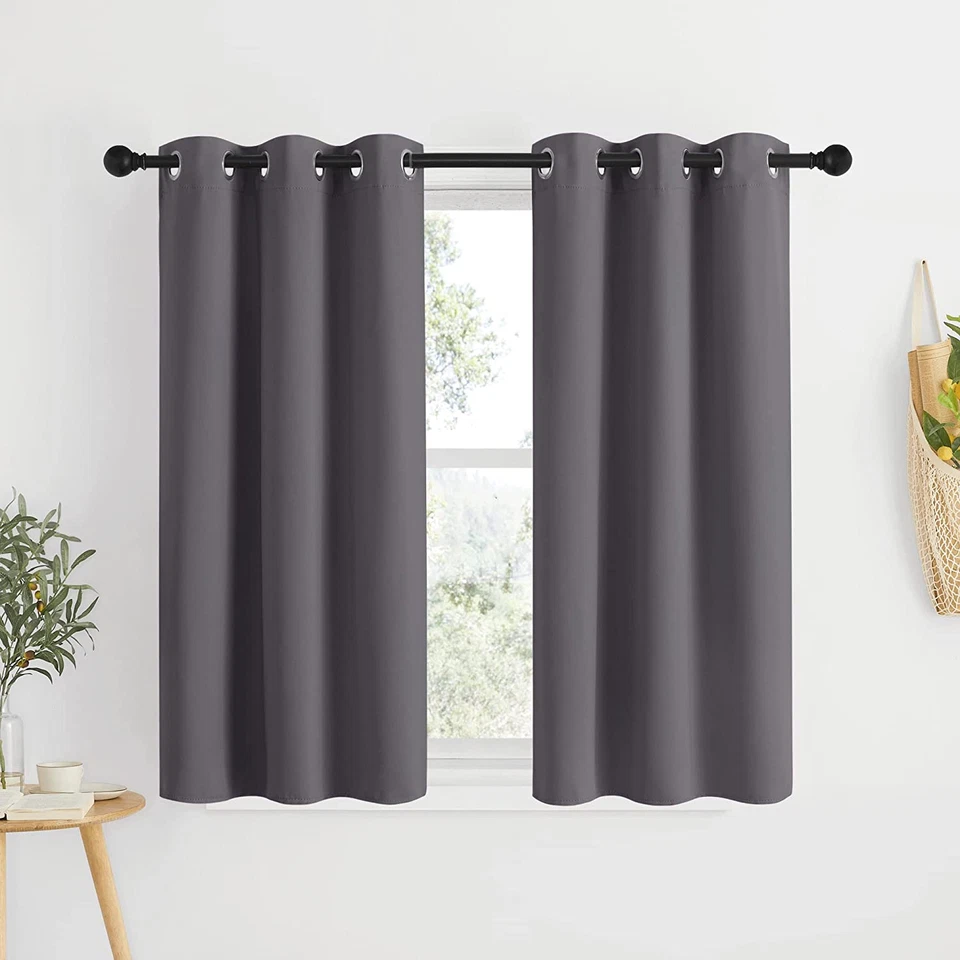
NICETOWN Outdoor Waterproof Blackout Curtain Panels
Check price on Amazon
14,600+ reviews
Waterproof, mildew-resistant panels that block wind and rain while making any covered porch feel like an actual room.
Shop on Amazon →Best All-Weather Sectional for Year-Round Seating
The furniture you choose determines whether four-season outdoor living is actually sustainable or just theoretical. Wood and natural wicker need to come inside before the first frost or they start breaking down quickly. What you need is something that genuinely doesn't care about weather: sitting through rain, staying outside without covers, and not degrading from temperature swings.
The Modway Convene 4-Piece Outdoor Patio Sectional uses a powder-coated steel frame with all-weather rattan weave and EEI-compliant cushions with removable, washable covers. The cushion foam is rated for outdoor exposure, not just the fabric. This fits on a 10x12 patio without crowding and seats five to six people comfortably. The cushion covers zip off for the washing machine when they pick up pollen or tree debris in spring.
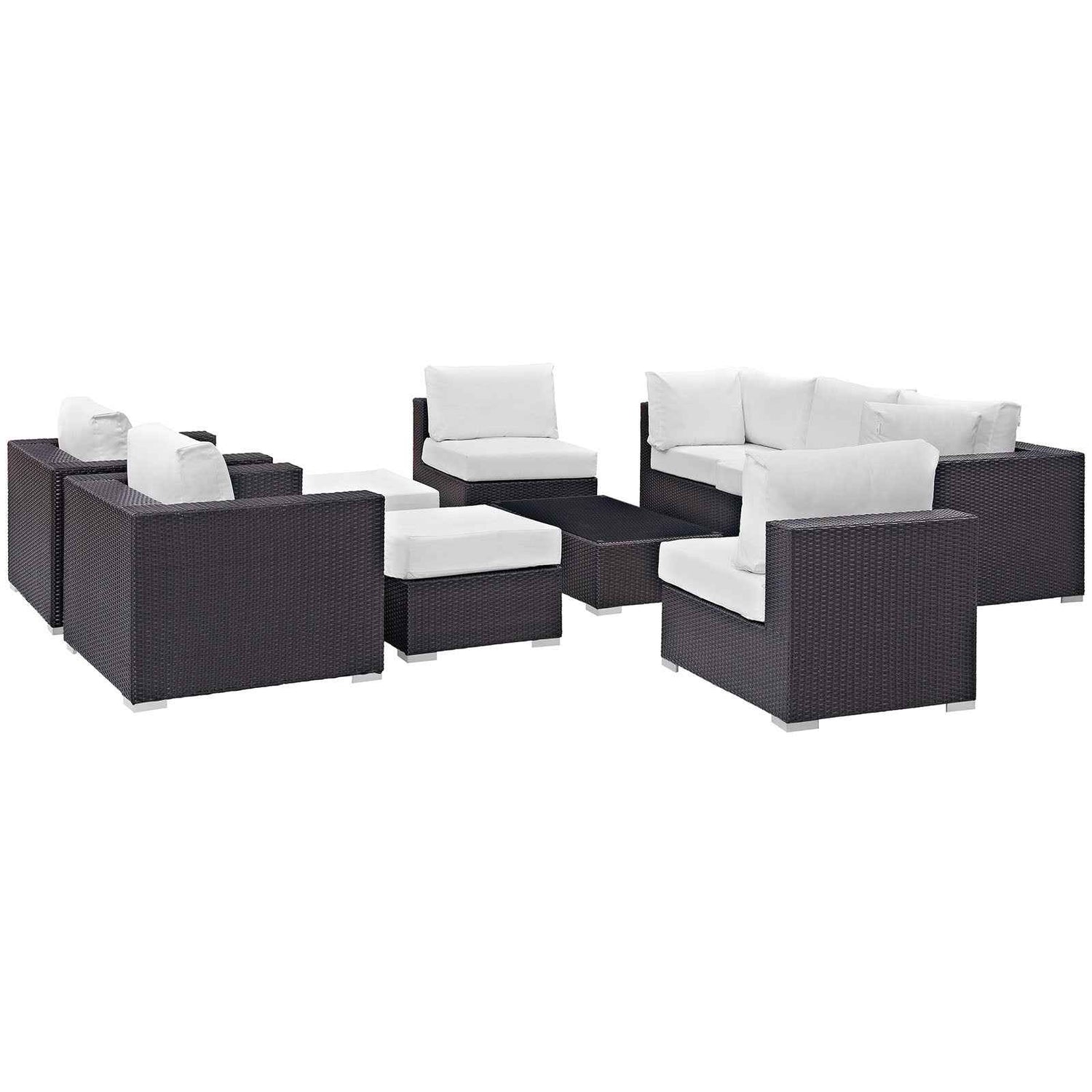
Modway Convene 4-Piece Outdoor Patio Sectional Set
Check price on Amazon
3,200+ reviews
Steel-framed all-weather sectional with washable cushion covers that handles four seasons without needing seasonal storage.
Shop on Amazon →Best Outdoor Rug to Anchor the Space Year-Round
An outdoor rug is the difference between a patio that feels like a staging area and one that feels like a room. It grounds the furniture, softens concrete or decking underfoot, and makes the space feel intentional. The challenge is finding one that doesn't become a mold sponge after rain or fall apart after a winter of freeze-thaw cycles.
The Nourison Aloha collection is a polypropylene flat-weave rug made for outdoor use. It dries fast, resists staining, and doesn't trap moisture underneath the way thicker pile rugs do. A 5x7 fits under a conversation set and an 8x10 anchors a full dining arrangement. The patterns are geometric and neutral enough to work with most furniture colors, and after two or three seasons it still looks decent rather than sun-bleached and warped.
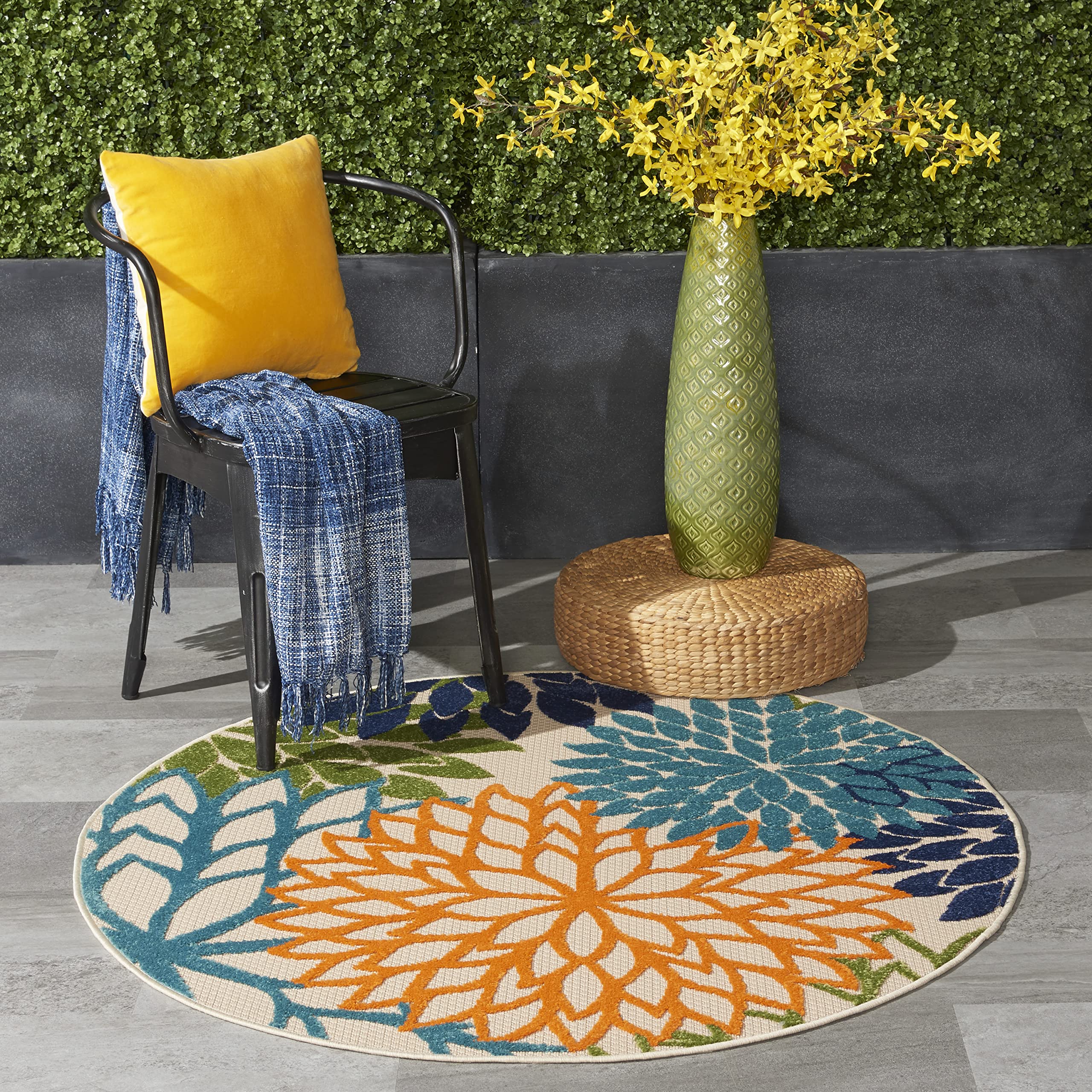
Nourison Aloha Indoor/Outdoor Area Rug
Check price on Amazon
6,800+ reviews
A flat-weave polypropylene rug that dries fast, resists mold, and holds its pattern through multiple outdoor seasons.
Shop on Amazon →Quick Tips for Four-Season Outdoor Living
- Layer heat, don't rely on one source. A wall-mounted infrared heater handles ambient warmth, but a lap blanket and a small fire table cover the gaps on the coldest nights.
- Protect the floor before you buy furniture. A good outdoor rug sets the foundation for the whole space. Get it down first, then arrange furniture around it.
- Think about your prevailing wind direction. Mount curtains or windbreak screens on the side where wind typically comes from. One sheltered side changes the feel of the entire space.
- Store cushions, not furniture. All-weather frames can stay outside all year. Bringing in just the cushion covers in winter is far more manageable than moving entire pieces.
- Light matters more in fall and winter. String lights or wall sconces make a cold-weather patio feel warm and inviting. Without light, the space feels like a waiting area after dark.
- Address drainage before buying anything. If your patio pools water after rain, a gravel border or proper slope correction is worth doing before investing in furniture or rugs.
Frequently Asked Questions
What is the best way to heat an outdoor patio in winter?
Wall-mounted infrared heaters are the most effective for covered patios because they heat people directly rather than trying to warm open air. Propane towers work for open spaces but lose efficiency quickly in any wind and require moving tanks around.
What outdoor furniture holds up in all four seasons?
Powder-coated steel or aluminum frames with synthetic rattan weave and solution-dyed acrylic cushions are the most weather-resistant options. Avoid natural wicker, untreated wood, and wrought iron in wet climates.
How do I keep my outdoor patio usable in the rain?
A covered pergola or awning is the first step. Outdoor curtains on two or three sides block wind-driven rain and extend usability significantly. A waterproof rug that drains quickly also helps keep the floor surface from becoming a puddle.
How do I create shade on a patio without a pergola?
Shade sails are the most flexible option. They mount to existing posts, fence corners, or walls and cover a 10-20 foot span for under $100. A freestanding cantilever umbrella with a heavy base works well for smaller patios where you can't mount permanent hardware.
Can outdoor curtains stay up through winter?
Waterproof polyester outdoor curtains handle fall and mild winters without issue, but most people take them down before hard freezes. The grommets and hardware hold up fine, but repeated freeze-thaw cycling can stress the fabric over multiple winters.