Build a Hot Tub Deck Surround for Less
A bare hot tub sitting on a concrete pad looks like an appliance. A hot tub with a proper deck surround looks like a backyard destination. The difference is a weekend of work and roughly $800 to $1,500 in materials.
Most contractors quote $3,000 to $8,000 for a basic hot tub deck. A lot of that is labor on a project that is genuinely manageable for a confident DIYer. The framing is straightforward, the material choices are forgiving, and the tricky parts can be sidestepped with smart planning.
This guide walks through four decisions: what to use for decking, how to handle the framing hardware, how to add a privacy screen without building a full fence, and how to give yourself a proper step entry. None of these require a contractor.
Best Decking Material for a Budget Hot Tub Surround
Pressure-treated lumber is the classic choice and it works fine, but composite decking boards have gotten cheap enough that the math has shifted. You avoid the annual staining, the splintering, and the warping that comes from boards sitting next to a wet, steaming hot tub for years. For a standard 10x12 platform surround, you are looking at roughly 12 to 15 packs of composite boards depending on your layout.
VEVOR makes a WPC composite decking board that hits a price point most people do not expect from composite. Each board has a hollow-core construction that keeps weight down and installs with hidden fasteners for a clean finished look. The textured surface holds up well around water, which matters a lot when people are stepping out of a hot tub with wet feet. These come in multiple colors so you can match an existing deck or patio without painting anything.
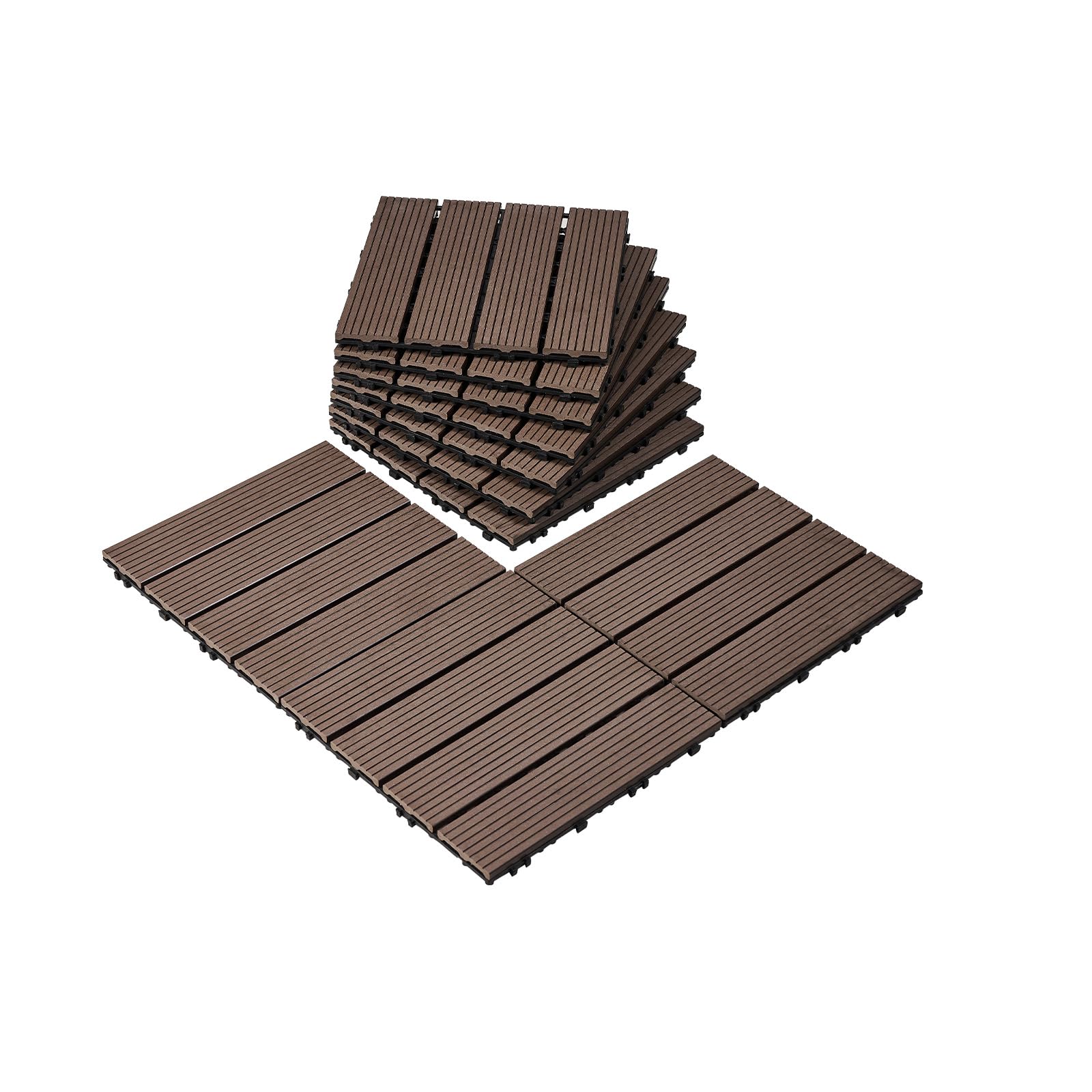
VEVOR WPC Composite Decking Boards 6-Pack
Check price on Amazon
1,800+ reviews
Hollow-core composite boards with hidden fastener grooves and a slip-resistant texture built for wet-area use around pools and spas.
Shop on Amazon →Best Framing Hardware for a Freestanding Hot Tub Platform
The frame under your deck is what determines whether this project lasts five years or twenty-five. Most DIY deck failures come from skimping on post bases and letting wood sit directly on concrete or soil. Simpson Strong-Tie post bases are what professional framers use, and they are available on Amazon without the contractor markup.
The ABA44Z adjustable post base is the one to get for a hot tub surround. It keeps your 4x4 posts elevated off the concrete pad so moisture cannot wick up into the end grain. Adjustable means you can compensate for a pad that is not perfectly level, which most pads are not. A hot tub full of water and people adds a lot of concentrated weight to your framing. Getting this part right protects everything above it.
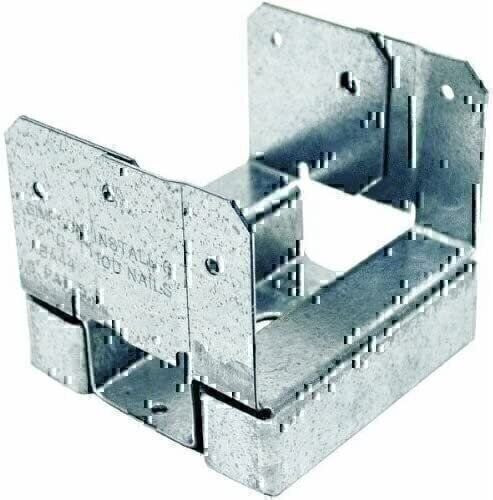
Simpson Strong-Tie ABA44Z Adjustable Post Base 4-Pack
Check price on Amazon
3,400+ reviews
Galvanized adjustable post bases that keep framing lumber off concrete surfaces and handle slight grade variations in the pad.
Shop on Amazon →Best Privacy Screen for a Hot Tub Deck
Privacy is not optional on a hot tub. Even with a decent fence line, a neighbor's elevated yard or a second-floor window kills the experience fast. A bamboo fencing roll attached to a simple 4x4 post frame gives you six to eight feet of screening in an afternoon and costs a fraction of what a built lattice or cedar privacy wall would run.
Backyard X-Scapes makes a natural bamboo roll that comes in 6-foot height options and lengths up to 16 feet. One roll handles one full side of a typical surround, so plan on two to three rolls depending on how many sides need screening. The rolls attach with zip ties or wire to whatever post structure you have already built for the deck frame. Left natural, the bamboo weathers to a silver-gray over time. Seal it with tung oil if you want to hold that warm honey color longer.
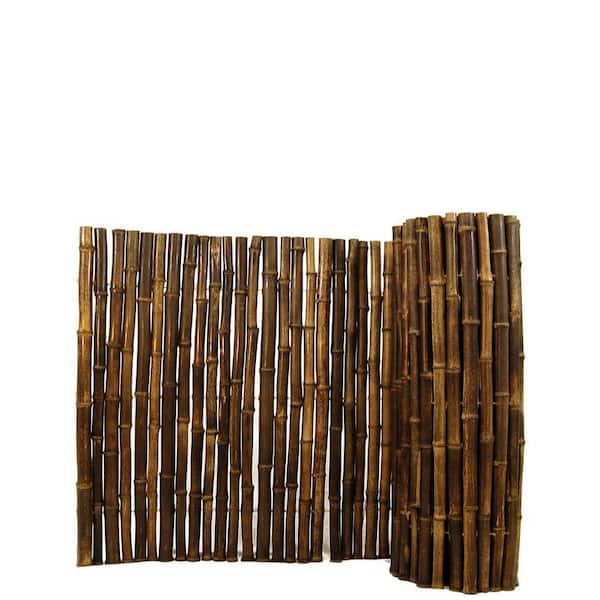
Backyard X-Scapes 6 ft. H x 16 ft. W Bamboo Fencing Roll
Check price on Amazon
2,900+ reviews
Natural bamboo privacy fencing that mounts to existing post structures and provides 6 feet of solid screening for hot tub surrounds.
Shop on Amazon →Best Step Entry for a Raised Hot Tub Deck
Most hot tub surrounds raise the tub 12 to 18 inches off the ground for drainage clearance and equipment panel access. That means you need a dedicated entry step, and the cheapest practical fix is a molded plastic spa step that requires zero carpentry. The Confer Plastics Step-1 is the one you will see at nearly every above-ground pool and spa installation because it is overbuilt for what it costs.
It supports up to 300 pounds, has a non-slip textured surface, and the 24-inch width is wide enough to feel stable when you are stepping out wet. You can use it as a standalone entry or anchor it to the deck framing for a permanent install. For a budget build, this saves you from framing a built-in step box, which adds complexity and material cost to a project you are trying to keep manageable.
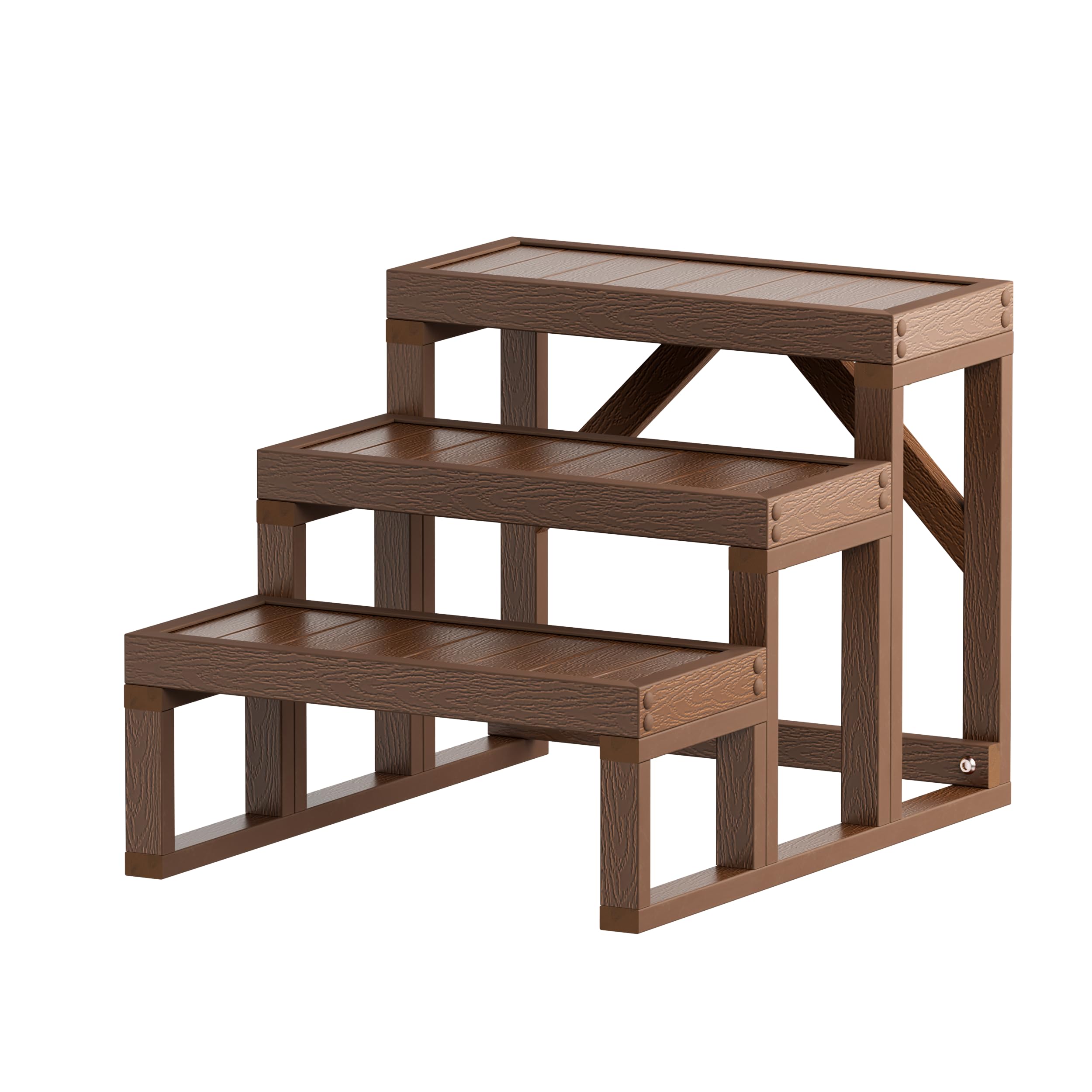
Confer Plastics Step-1 Heavy-Duty Above-Ground Spa Step
Check price on Amazon
5,100+ reviews
Molded spa step rated for 300 lbs with non-slip texture and a 24-inch width that anchors to deck framing or works standalone.
Shop on Amazon →Quick Tips for Building a Hot Tub Deck Surround
- Leave a service access panel. Build one section of decking with removable boards secured by screws instead of hidden fasteners. You will need to reach the equipment panel and plumbing at some point, and you do not want to pry up a finished deck to do it.
- Slope the surface slightly. A 1/8 inch per foot slope away from the tub keeps water from pooling on the deck and reduces slip hazards after people climb out.
- Check permit requirements before you frame. Many municipalities require a permit for attached deck structures over 30 inches high or 200 square feet. A freestanding hot tub surround often falls below that threshold, but confirm with your local building department first.
- Use stainless or hot-dipped galvanized fasteners. Standard deck screws corrode fast in a high-humidity hot tub environment. Budget the extra $15 for the right fasteners at the start rather than dealing with rust stains and failing connections two years in.
- Measure equipment clearance before you frame. Your hot tub manual specifies minimum clearance around the unit for the cover lift, equipment panel, and filter access. Frame around those specs, not around what looks proportional.
Frequently Asked Questions
How much does it cost to build a hot tub deck surround yourself?
Most DIY hot tub surrounds run $800 to $1,800 in materials depending on deck size and whether you add a privacy screen. That compares to $3,000 to $8,000 for contractor installation. The biggest variable is your decking material choice.
Do I need a permit to build a deck around my hot tub?
It depends on your municipality and the structure size. Freestanding platforms under 30 inches high and under 200 square feet often do not require a permit. Call your local building department before you start framing to avoid a stop-work order.
What is the best decking material to use around a hot tub?
Composite decking outperforms pressure-treated wood in wet environments. It does not warp, splinter, or require annual sealing. Budget composite boards have dropped in price significantly and are a better long-term value for a hot tub surround.
How do I add a step to a raised hot tub deck?
A molded plastic spa step like the Confer Step-1 is the simplest solution. It bolts to the deck framing, handles 300 pounds, and costs under $100. Building a framed wood step box adds cost and complexity without a meaningful performance benefit.