How to Build a DIY Backyard Tiki Bar
A tiki bar in your backyard changes the whole energy of summer entertaining. You go from hosting a cookout to throwing a party.
The good news is you do not need a contractor or a big budget. Most people build a solid frame out of pressure-treated 2x4s or cedar, then dress it up with bamboo, thatch, and a few key accessories to get that tropical look.
This guide covers the materials and add-ons that actually make a difference, from a waterproof thatch roof to the mini fridge that keeps drinks cold without running back inside all night.
Best Thatch Panels for a Waterproof Tiki Roof
The roof is the first thing everyone notices about a tiki bar, and thatch is what makes it look like the real thing instead of just a shed with a bar top. ALEKO makes a synthetic palm thatch roll that measures 4 by 16 feet, which is enough to cover a standard 6 to 8 foot bar frame with some overlap for weather protection.
The material is UV-treated, so it holds up in direct sun without bleaching out after one summer. It attaches with staples or roofing wire, and you can layer two rows with a decent overhang to handle rain. A 10-foot bar will use roughly two rolls, which still keeps your total roof cost under $120.
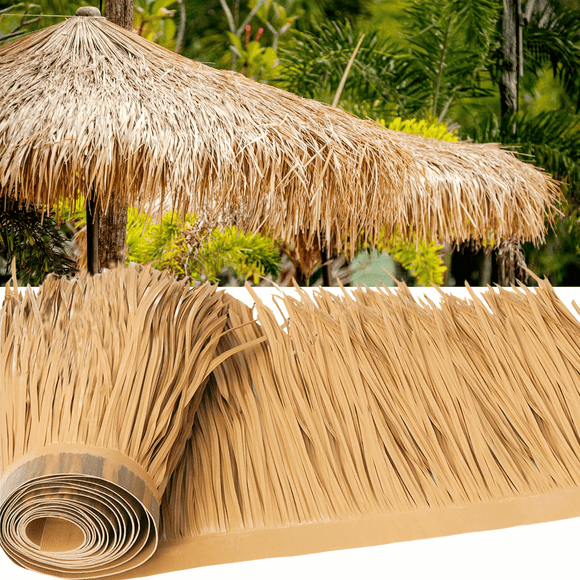
ALEKO 4 x 16 ft Synthetic Palm Thatch Roofing Roll
Check price on Amazon
3,200+ reviews
UV-treated synthetic palm thatch that installs with staples and handles rain without rotting or bleaching.
Shop on Amazon →Best Bamboo Fencing for Tiki Bar Walls
Once the frame is up and the roof is on, the walls are what give the bar its texture and depth. Plain plywood looks like a plywood box. Bamboo fencing rolled across the front and sides transforms the whole thing into something that actually looks intentional.
Bamboo54 makes natural rolled bamboo fencing in a 4 by 16 foot size that is easy to cut with tin snips and staple directly to your frame. The color is a warm honey-brown that weathers nicely over time. For a standard 8-foot bar, one roll handles the front face and one end panel, with enough leftover to wrap the back if you want a fully finished look from all angles.
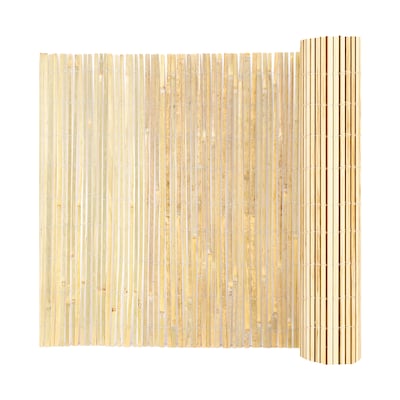
Bamboo54 Natural 4 x 16 ft Rolled Bamboo Fencing
Check price on Amazon
5,800+ reviews
Natural bamboo rolls that cut easily and staple directly to a wood frame for an instant tropical look.
Shop on Amazon →Best Bar Stools for a Backyard Tiki Bar
Bar stools for a tiki bar need to handle outdoor conditions and real use. They get sat on hard during parties, left out in humidity, and occasionally knocked over. The Flash Furniture Hercules Series 30-inch outdoor bar stools are built from powder-coated steel and come in a two-pack that gets you set up for four to six guests when you space them properly along an 8-foot bar top.
The footrest height is well-placed for a standard 42-inch bar counter, which is what most DIY tiki bars end up at when you build on top of a deck or concrete pad. They stack when not in use, which matters if you only have a 10 by 12 foot patio and need to reclaim space after the party winds down.
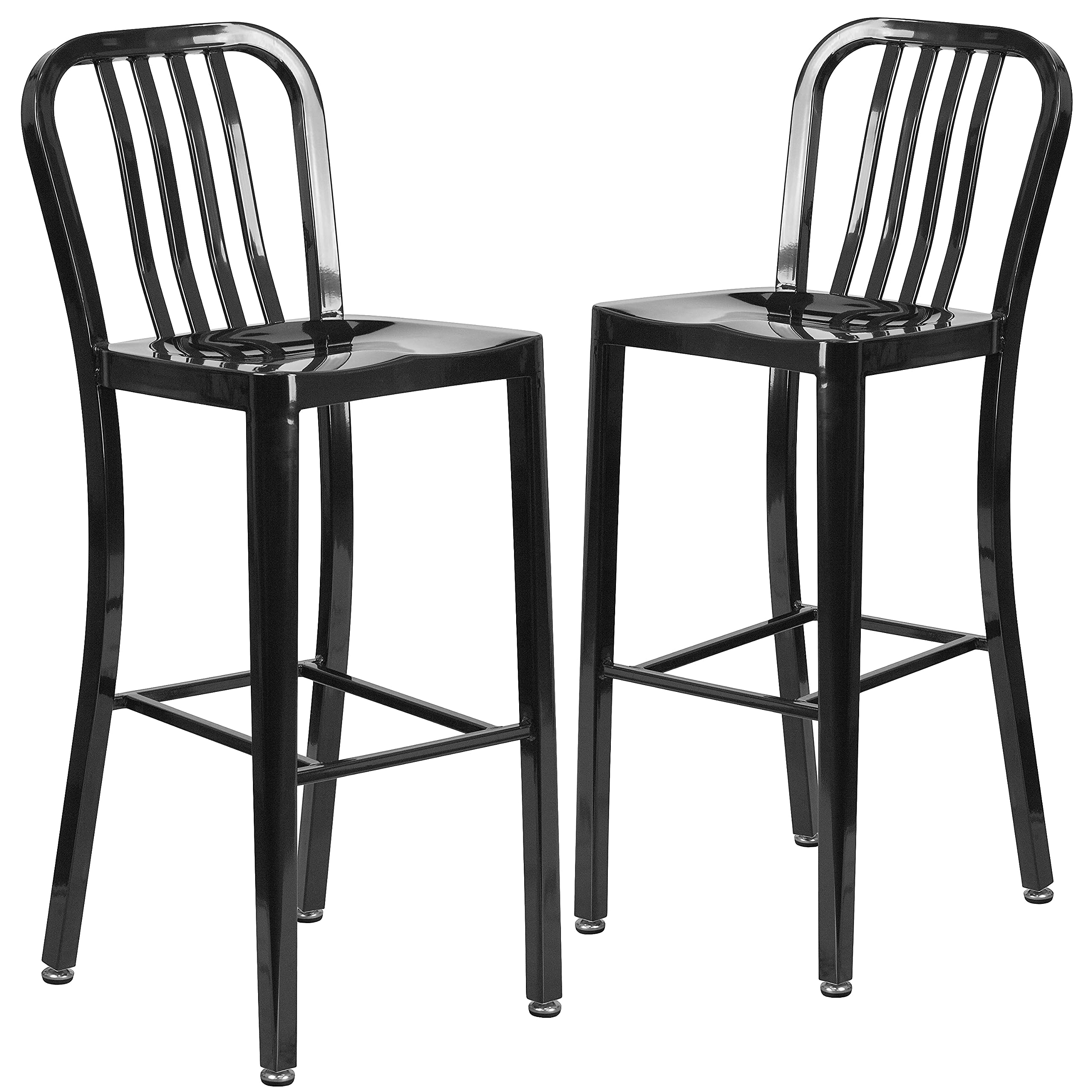
Flash Furniture Hercules Series 30-Inch Outdoor Bar Stool (Set of 2)
Check price on Amazon
6,400+ reviews
Powder-coated steel bar stools sized for standard 42-inch bar height and built to live outside year-round.
Shop on Amazon →Best Mini Fridge for Keeping Drinks Cold All Night
A tiki bar without cold drinks is just a bar-shaped structure. The hOmeLabs 120-Can Beverage Refrigerator fits perfectly under a standard bar counter, holds enough beer and seltzers for a group of eight, and runs quietly enough that it does not compete with music. The glass door lets people see what is inside without opening it repeatedly, which helps maintain temperature during a long afternoon.
It pulls about 85 watts, so you can run it off a standard outdoor outlet without tripping a breaker. The dimensions are roughly 20 inches wide by 33 inches tall, which fits cleanly under a 36-inch bar height counter. If you are building from scratch, frame a nook into your design specifically to recess this unit.
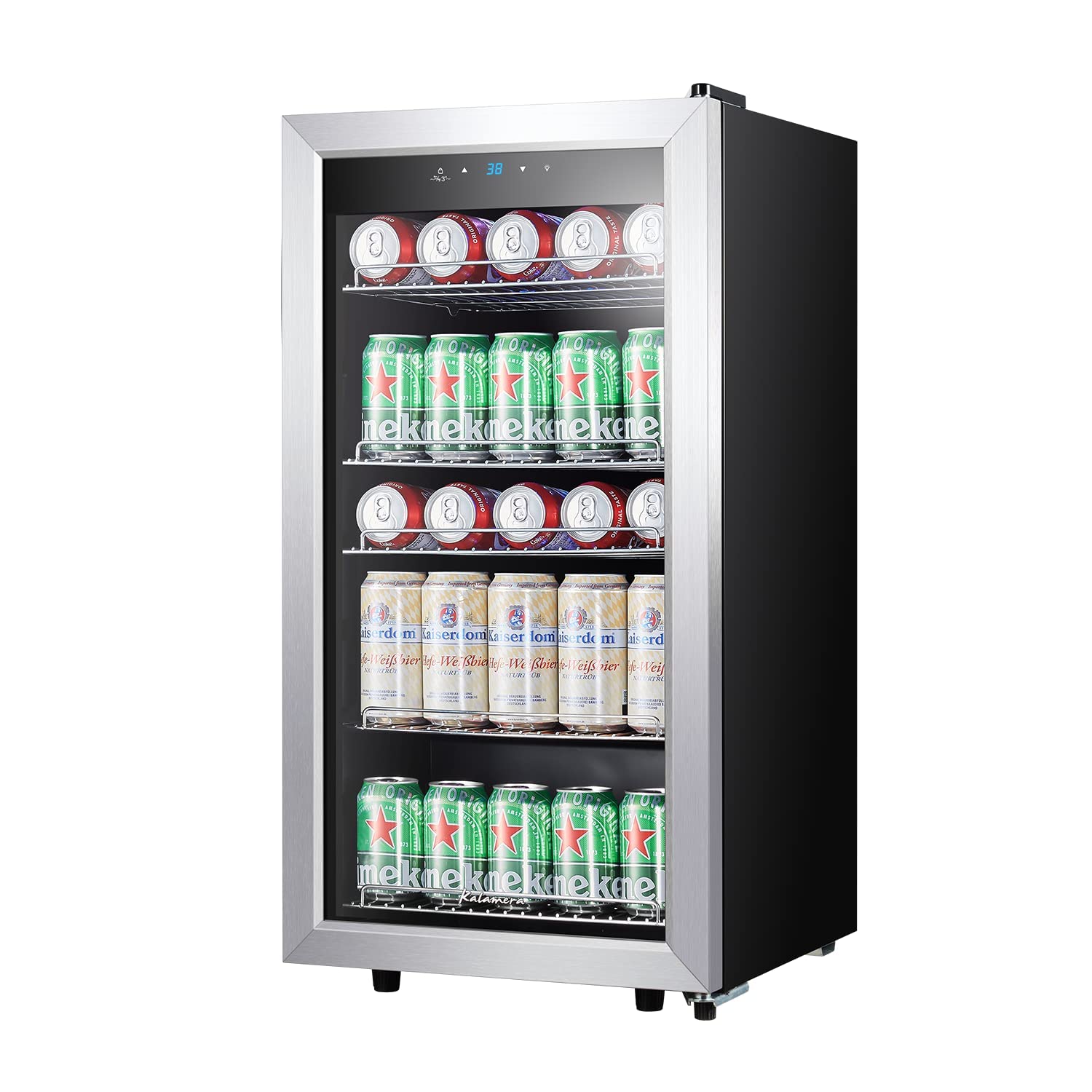
hOmeLabs 120-Can Beverage Refrigerator and Cooler
Check price on Amazon
18,500+ reviews
A glass-door beverage fridge that holds 120 cans and fits under a standard 36-inch bar counter without modification.
Shop on Amazon →Best LED Strip Lights for Tiki Bar Ambiance
The right lighting is what makes a tiki bar feel like a destination at 9 PM instead of just a piece of furniture. LED strip lights run along the underside of the bar top, around the roof edge, or behind bamboo panels to create a warm glow that shifts the whole mood. Daybetter makes a 100-foot RGBIC strip that you can control from your phone and sync to music.
For a standard tiki bar, you probably only need 20 to 30 feet total. That gives you enough to outline the bar top edge, wrap the roof overhang, and light up the back bar area where bottles and glasses sit. The adhesive backing sticks directly to wood, and the waterproof rating handles summer humidity without the lights flickering or shorting out mid-party.
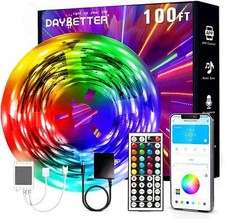
Daybetter 100ft RGBIC LED Strip Lights with App Control
Check price on Amazon
22,000+ reviews
Color-changing LED strip lights with app control and music sync, waterproof rated and easy to cut to length.
Shop on Amazon →Best Outdoor Speaker to Set the Tropical Mood
A tiki bar needs music, and a phone propped against a cup is not going to cut it for a party of eight. The Anker Soundcore Motion Boom Plus gets loud enough to fill a backyard without distorting, and the battery stretches to 20 hours on a charge. It handles rain and splashes with an IPX7 rating, so leaving it out by the bar overnight is not a gamble.
The bass is noticeably stronger than most speakers in this price range, which matters when you are playing reggae or funk and you want people to actually feel the music rather than just hear it from across the yard. It pairs to your phone in a few seconds and holds a connection across a normal 30 to 40 foot backyard. At just over two pounds, it is easy to grab and bring inside if a storm rolls in.
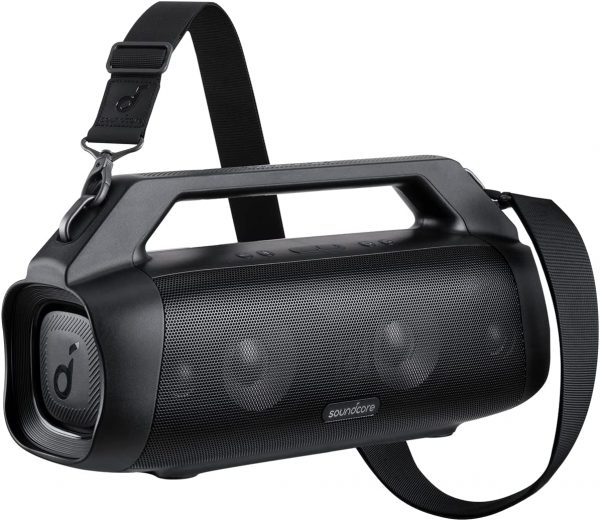
Anker Soundcore Motion Boom Plus Outdoor Speaker
Check price on Amazon
14,700+ reviews
A powerful IPX7-rated outdoor Bluetooth speaker with 20-hour battery life and real bass for backyard parties.
Shop on Amazon →Quick Tips for Building Your Tiki Bar
- Start with a level surface. A concrete pad or existing deck is the easiest base. If you are building on grass, use concrete deck blocks to keep the frame off the ground and prevent rot.
- Use pressure-treated lumber for the frame. Cedar works too, but pressure-treated 2x4s are cheaper and handle moisture better for a structure that will live outside year-round.
- Build the bar top at 42 inches. This is standard bar height and pairs properly with 30-inch bar stools. Lower than that and the proportions feel off for anyone sitting on a stool.
- Seal the bar top before attaching anything. Use exterior polyurethane or an epoxy bar top coat before you add bamboo or thatch trim. This protects the wood from spills and keeps it looking clean for years.
- Run electrical before you close up the walls. If you want a fridge, LED strips, and a speaker charging port, plan your conduit or outdoor-rated wiring before the bamboo panels go on. Retrofitting it later is genuinely painful.
- Anchor the frame if you get wind. A tiki bar with a full thatch roof can catch wind like a sail. Attach your frame to the deck with structural screws, or set the legs into concrete sleeves if you are building freestanding.
Frequently Asked Questions
How much does it cost to build a DIY tiki bar?
A basic frame with thatch and bamboo siding runs $200 to $400 in materials. Add a beverage fridge, bar stools, and lighting and you are looking at $600 to $800 total. That is well under what a pre-built unit costs, and yours will be the right size for your space.
What wood should I use for a tiki bar frame?
Pressure-treated pine is the most affordable and weather-resistant option for the frame. Cedar is a step up in appearance and naturally rot-resistant. Avoid standard dimensional lumber that has not been treated for outdoor use.
How do I weatherproof a tiki bar?
Seal the bar top and any exposed wood with exterior polyurethane or an epoxy coating before you attach decorative materials. Synthetic thatch holds up much better than real palm in wet climates and will not mold or bleach out.
Can I build a tiki bar on a small patio?
A 6-foot bar fits comfortably on a 10 by 12 foot patio with room for stools and some circulation space. Keep the footprint tight and build up with shelving instead of out if you are working with limited square footage.
Do I need a permit to build a backyard tiki bar?
In most areas a freestanding structure under a certain size does not require a permit. If you are attaching it to your house or running permanent electrical wiring, check with your local building department before you start.