Gas vs Charcoal Grill: The Backyard Debate Finally Settled
The answer is not which one is better — it is which one is better for how you actually cook. Here is the honest breakdown of flavor, convenience, cost, and cleanup, plus the best picks in both categories.
The Real Differences That Matter
The flavor argument is real. Charcoal produces more combustion byproducts — CO2, carbon monoxide, and trace chemicals — that deposit on food during cooking. That is literally what gives charcoal-grilled food its distinctive taste. Gas burns clean and does not produce those compounds. The flavor difference is genuine and most people can taste it.
The convenience gap is also real. A gas grill is on and ready in 10-15 minutes. Charcoal takes 20-30 minutes of chimney-starter time before you can cook. After cooking, gas cleanup is quick. Charcoal cleanup involves disposing of ash and scrubbing grates of heavier residue. Neither is hard — they are just different amounts of friction.
Cost over time: propane tanks run $20-25 to refill and a household typically uses 4-6 tanks a summer depending on usage. Charcoal runs $15-20 for an 18-lb bag that might last 10-12 cooks. Long-term fuel costs are comparable, with charcoal slightly ahead for most households.
Our Top Picks: Gas and Charcoal
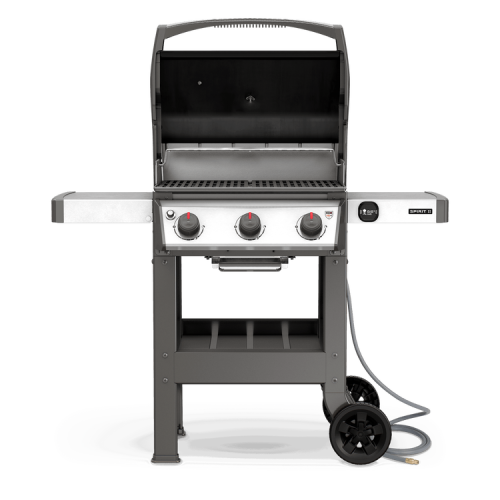
Weber Spirit II E-310 Gas Grill
The benchmark gas grill at this price. Three burners, 529 sq in of cooking space, and Weber reliability that runs for a decade without drama. Turn it on, it is hot in 10 minutes. Close the lid and it holds temperature. The cleanup is a tray dump and a brush. This is the grill for anyone who values consistency and time over craft.
Pros
- ✓ Ready to cook in 10 minutes
- ✓ Consistent temperature control
- ✓ Easy grease management
- ✓ 10-year Weber warranty
- ✓ Great for weeknight cooking
Cons
- ✗ Less smoky flavor than charcoal
- ✗ Propane costs accumulate
- ✗ Grill marks less defined
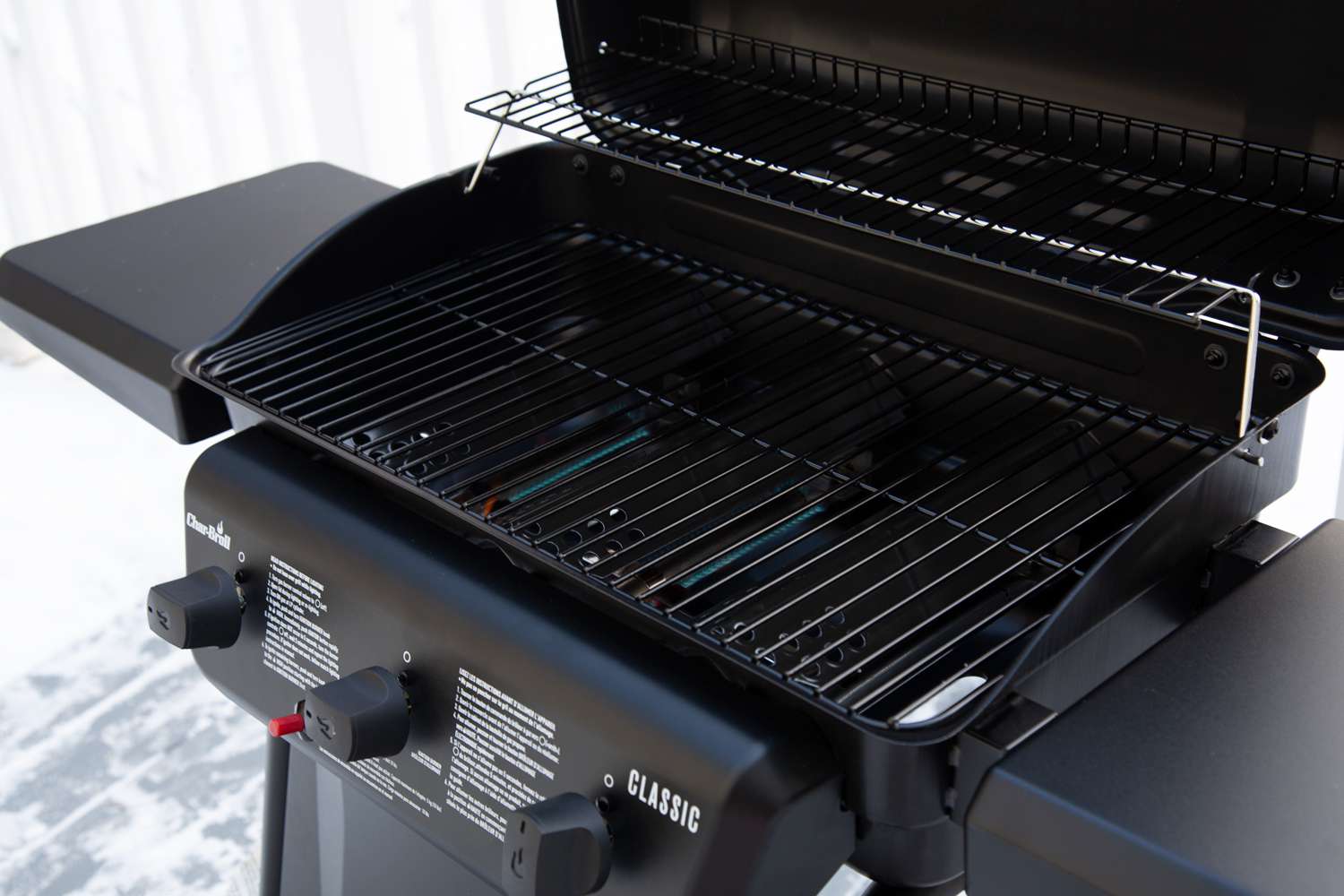
Char-Broil Classic 4-Burner Gas Grill
Four burners under $250 that cook evenly and clean up easily. Not a Weber, but a solid workhorse for anyone who grills 3-4 times a week without wanting to think too hard about it. The porcelain grates produce decent grill marks and the drip system is easy to access. A good first grill or a replacement when the budget is limited.
Pros
- ✓ Four burners for under $250
- ✓ Decent cooking evenness
- ✓ Easy drip tray cleanup
- ✓ Electronic ignition
Cons
- ✗ Thinner steel than Weber
- ✗ Grates can rust without maintenance
- ✗ Side table stability is limited
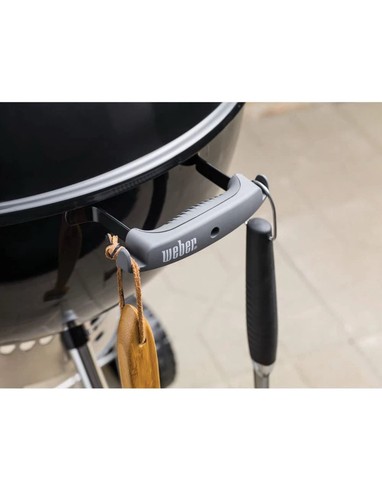
Weber Original Kettle Premium 22-Inch Charcoal Grill
The most iconic backyard grill in America, and for good reason. The 22-inch kettle is exactly right for a family of 4-6. Light the charcoal, wait 20 minutes, and you have real wood-smoke flavor that no gas grill replicates. The hinged grate makes adding coals easy mid-cook. The ash catcher makes cleanup manageable. Simple, proven, exceptional.
Pros
- ✓ Real charcoal flavor no gas grill matches
- ✓ Iconic design that lasts decades
- ✓ Versatile — grill, smoke, or roast
- ✓ Affordable at $179
- ✓ 10-year Weber warranty
Cons
- ✗ 30 minutes of prep before cooking
- ✗ Temperature control takes practice
- ✗ Ash disposal is messier than gas
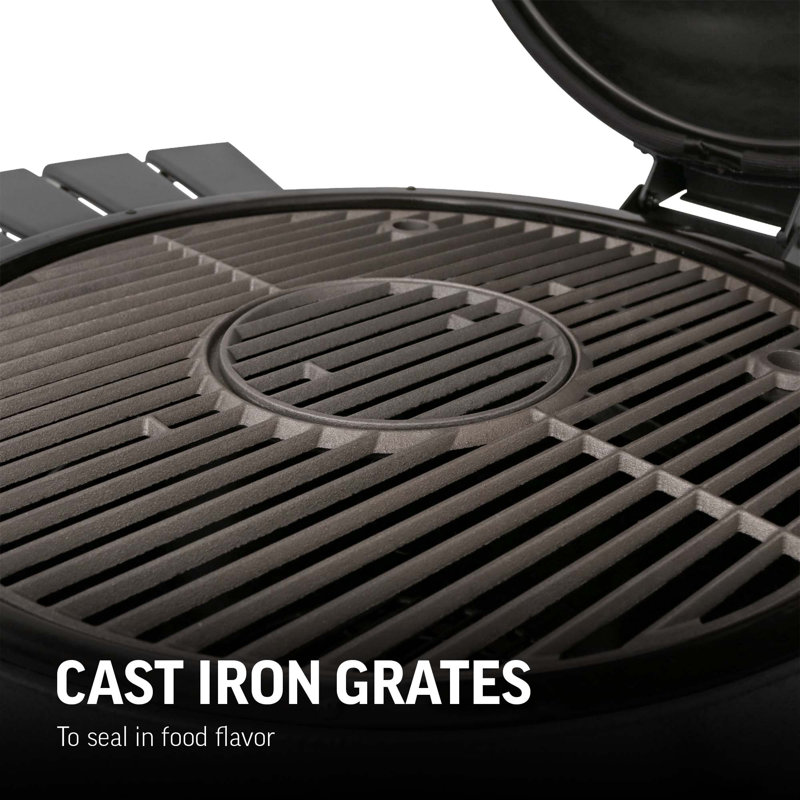
Char-Griller Akorn Kamado Kooker
A steel kamado design at a fraction of the ceramic Big Green Egg price. The double-wall steel construction retains heat exceptionally well for low-and-slow cooking and the dual dampers give you real temperature control once you learn them. This is the charcoal grill for someone who wants to smoke brisket and sear steaks on the same cooker.
Pros
- ✓ Dual-damper temperature control
- ✓ Retains heat for long smokes
- ✓ Cast-iron grates for excellent sear marks
- ✓ Lower cost than ceramic kamados
Cons
- ✗ Learning curve on temperature management
- ✗ Heavy at 97 lbs — not portable
- ✗ Steel does not retain heat as well as ceramic
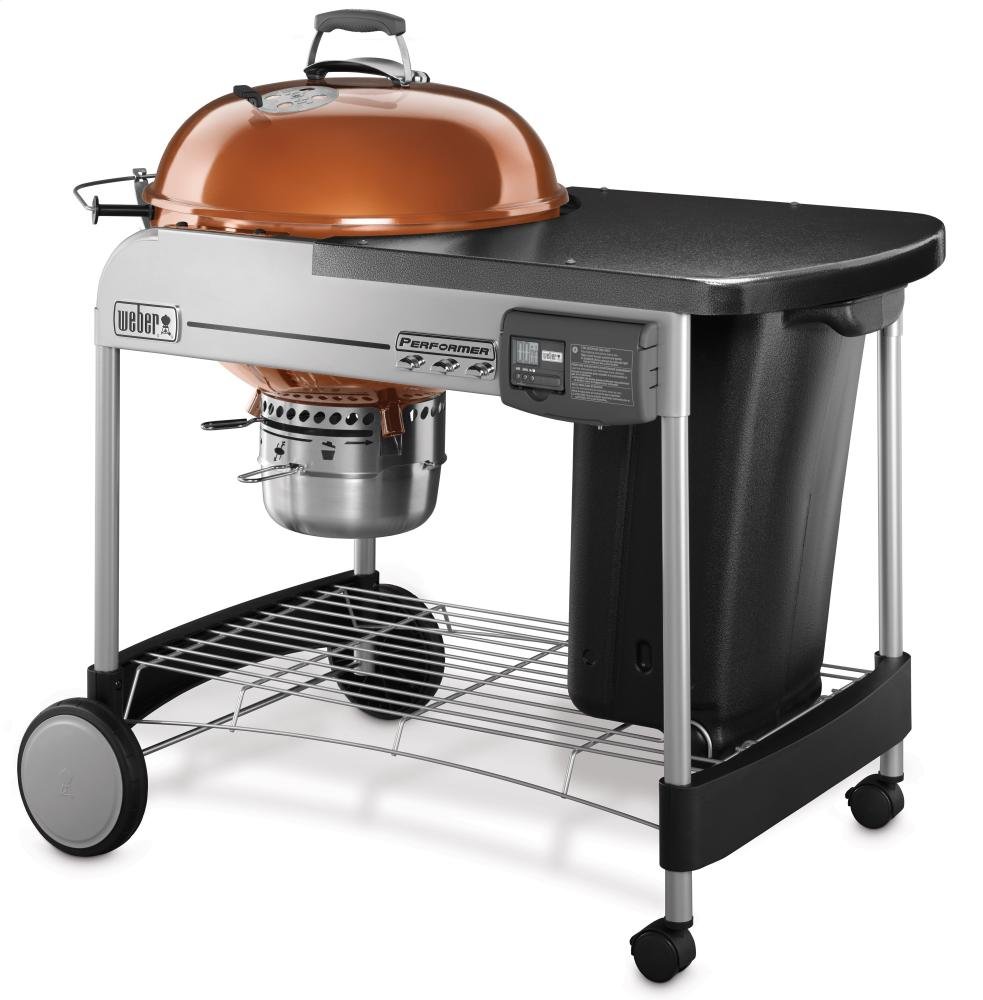
Weber Performer Deluxe 22-Inch Charcoal Grill
The Weber Kettle with a built-in work table, a propane Touch-N-Go ignition system for the charcoal, and an enclosed storage area for charcoal bags. All the character of the classic kettle with significantly more convenience. The propane-assist lighting means you never wait for a chimney starter. A real upgrade over the basic kettle if you grill often.
Pros
- ✓ Touch-N-Go propane ignition for charcoal
- ✓ Built-in prep work surface
- ✓ Enclosed charcoal storage
- ✓ Same iconic kettle performance
Cons
- ✗ Premium price for a charcoal grill
- ✗ Bulkier footprint than standard kettle
- ✗ Propane ignition needs separate small canister
The Decision Framework
Buy gas if: You grill on weeknights and need dinner fast. You have kids or a schedule that does not accommodate a 30-minute startup. Your backyard setup prioritizes consistency and ease over character.
Buy charcoal if: Weekend grilling is a ritual for you. You care about flavor and consider the prep part of the experience. You want to smoke, roast, or cook low-and-slow in addition to direct grilling.
Buy both if: You have the space and the budget. A Weber kettle for the weekend and a gas grill for Tuesday night is a genuinely excellent backyard setup. Many serious grillers end up here.
On flavor: Charcoal wins for brisket, ribs, and anything that benefits from smoke. Gas wins for burgers, vegetables, and fish where you want clean, unmodified flavor with a good sear.
Frequently Asked Questions
Can you add smoke flavor to a gas grill?
Yes, with a smoker box filled with wood chips placed over the burners. It adds smoke notes without fully matching charcoal smoke, but it is a meaningful improvement over bare gas cooking for things like chicken or pork. The result is different from charcoal, not identical.
How hot does charcoal get vs gas?
A chimney-started charcoal fire reaches 700-900°F at the grate surface — hotter than most gas grills, which top out around 500-600°F. That extra heat is why charcoal produces a better sear on steaks. The tradeoff is that sustaining consistent temperature over a long cook requires active management.
Is charcoal harder to learn?
The startup is different but not hard. A chimney starter (about $30) eliminates lighter fluid and makes lighting charcoal reliable and fast. Temperature management takes a few cooks to get intuitive. Most people are confident with charcoal after three or four sessions.