Best Shade Sails for Backyard and Patio
A good shade sail drops the temperature underneath it by 10 to 15 degrees, which is the difference between using your patio at noon and abandoning it until evening.
Shade sails work because the breathable HDPE fabric cuts UV exposure while still letting air move through. You get real shade without the suffocating, tent-like heat that solid awnings trap underneath them.
The six picks below cover triangles, rectangles, budget options, and heavy-duty builds. There is a solution here for a 10x10 apartment balcony, a wide back deck that seats a crowd, or anything in between.
Best Overall Triangle Shade Sail
The Coolaroo 16'5" triangle is the most consistently recommended shade sail for backyard use, and it earns that reputation honestly. It uses HDPE fabric rated at 90% UV blockage, and the Australian brand has refined this specific design long enough that the corner reinforcements and hem stitching actually hold up past the first summer.
The 16'5" size covers roughly 200 square feet of shaded ground triangle, which is enough to cover a dining table for four or two lounge chairs with comfortable clearance on the edges. The grommeted stainless steel corners and included mounting hardware mean one person can complete the installation in a few hours without any specialized tools.
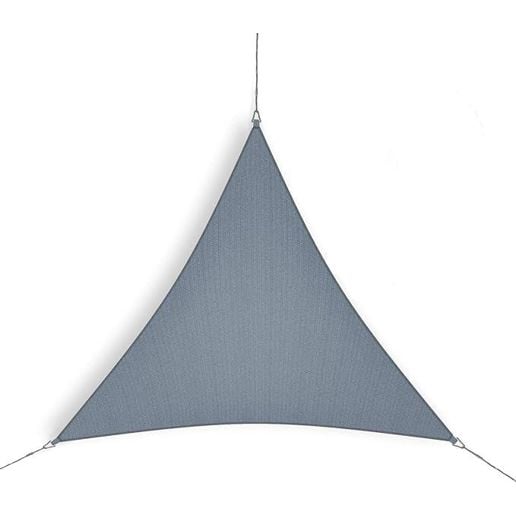
Coolaroo 16'5" Triangle Shade Sail
Check price on Amazon
12,400+ reviews
The most proven residential shade sail on the market, with 90% UV blockage and hardware built to last more than a single season.
Shop on Amazon →Best Budget Triangle Shade Sail
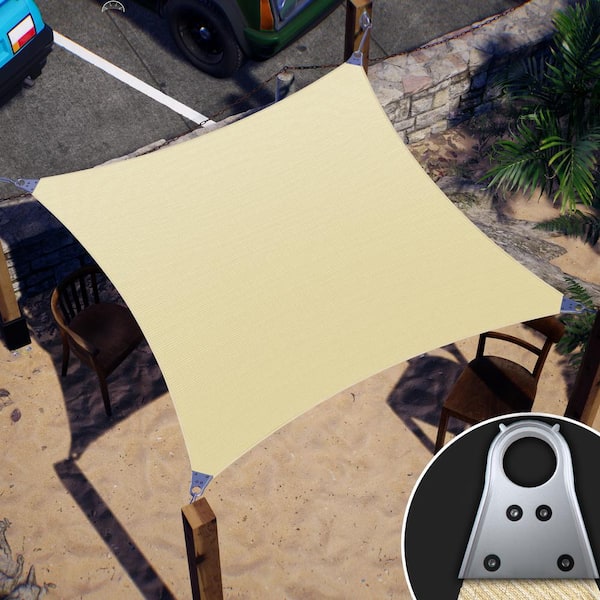
The Ankuka 12x12x12 triangle is the right call if you want to test a shade sail before committing serious money. At $35, it covers a compact sitting area or a small table for two, and most buyers report it holds up through two full seasons without major issues.
A 12-foot triangle is also more forgiving to install correctly. You only need three anchor points, and you can often connect to a fence post, a deck railing, and an existing pergola beam without adding any new hardware. Getting the tension right is easier on a smaller sail, which matters a lot for how clean the final result looks.
Ankuka 12 ft Triangle Shade Sail
Check price on Amazon
6,800+ reviews
A genuinely useful budget sail that covers a compact patio or poolside seating area for two to three seasons without drama.
Shop on Amazon →Best Rectangle Shade Sail for Dining Areas
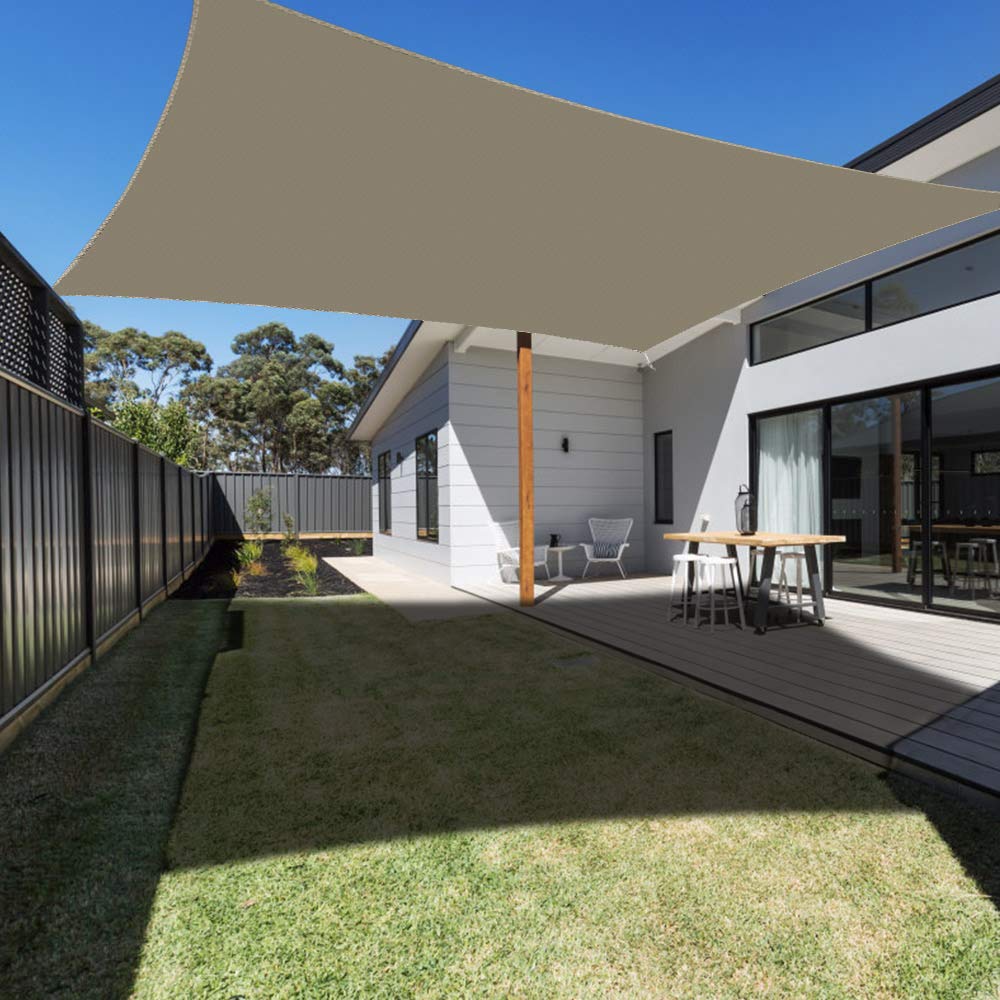
Rectangle shade sails are the smarter choice when you need to cover a defined linear space, like an outdoor dining table or a rectangular deck. The Shade&Beyond 12x16 foot rectangle is sized correctly for a table that seats six to eight, and the shape eliminates the awkward uncovered corners you get from putting a triangle over a rectangular table.
The 185 gsm HDPE fabric is heavier than what you find on budget options, which translates to better resistance to afternoon wind and a longer overall lifespan. The reinforced D-ring corners have multiple rows of stitching at each attachment point, which is exactly where cheaper rectangle sails start to fail after the second summer.
Shade&Beyond 12 x 16 ft Rectangle Shade Sail
Check price on Amazon
5,200+ reviews
The right size and shape for covering a rectangular dining area for six to eight people, with heavier fabric than most competitors at this price.
Shop on Amazon →Best Large Triangle for Big Backyard Spaces
ColourTree's 16x16x16 equilateral triangle is the pick when you need to cover a larger footprint, like a hot tub surround, an above-ground pool deck, or a patio seating area big enough for eight or more people. The equilateral shape hangs and tensions more evenly than right-triangle versions, which keeps the center of the sail from sagging over time.
The detail that sets ColourTree apart is the reinforced binding tape running along every edge of the sail. On a sail this large, edge fraying is the first thing to go, and the extra reinforcement is visible and meaningful. The corner D-rings are stainless steel rather than zinc, which matters if you live in a humid climate or anywhere near salt air.
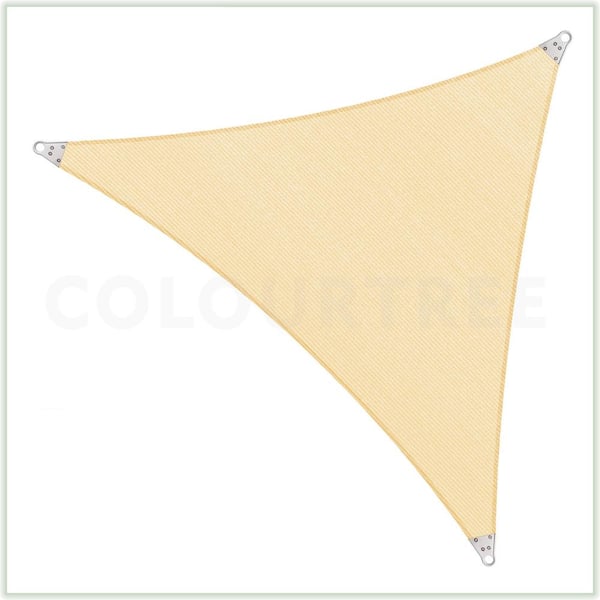
ColourTree 16 ft Triangle Sun Shade Sail
Check price on Amazon
8,100+ reviews
A large equilateral triangle with stainless steel hardware and reinforced edges that performs well in humid and coastal conditions.
Shop on Amazon →Most Durable Heavy-Duty Shade Sail
If you want something built closer to commercial standards without paying commercial prices, the Windscreen4less heavy-duty shade sail is worth the premium. The 185 to 200 gsm HDPE fabric has double-stitched hems throughout, and the product is rated for sustained wind exposure that would eventually stress a standard residential sail.
This is the right choice for a backyard with regular afternoon winds, a hillside property with real exposure, or anyone who simply does not want to deal with repairs or replacements after a few years. It is also available in custom sizes, which is useful when standard dimensions leave an awkward gap over your specific layout.
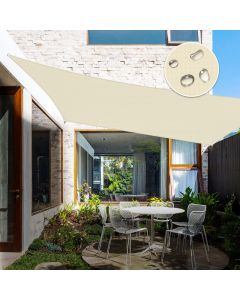
Windscreen4less Sun Shade Sail 12x12x17 ft
Check price on Amazon
3,900+ reviews
Heavy-duty HDPE construction with double-stitched hems that handles sustained wind and extended outdoor exposure better than standard residential sails.
Shop on Amazon →Best Rectangle Sail for Wide Deck Coverage
For a wide back deck or a long patio running along the side of the house, the Abba Patio 20x16 rectangle covers more ground than almost any other residential shade sail without jumping to commercial pricing. It is the practical solution for spaces where a single triangle simply cannot reach all the way across.
What makes this size actually work is the six attachment points instead of the four corners you get on smaller rectangles. Those extra anchors distribute tension more evenly across a large span, reducing the center sag that plagues oversized sails hung with minimal hardware. The 195 gsm HDPE fabric holds up to full sun and regular rain with minimal fading through several seasons.
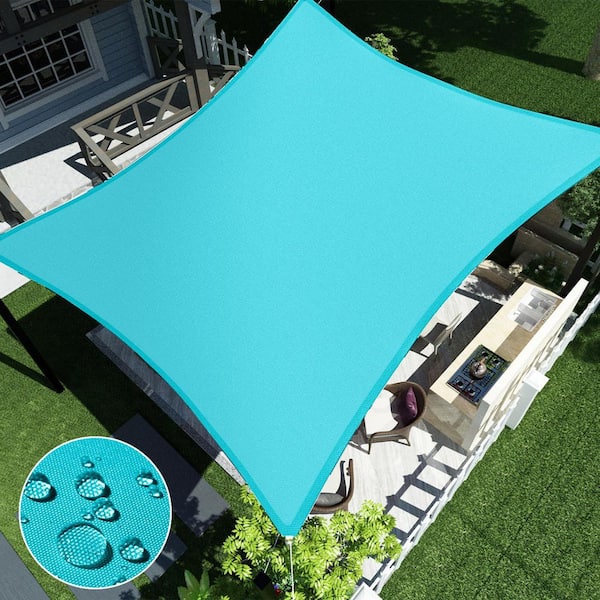
Abba Patio 20 x 16 ft Rectangle Shade Sail
Check price on Amazon
4,600+ reviews
One of the largest residential rectangle sails available, with six anchor points that keep a wide span taut and prevent center sag.
Shop on Amazon →Quick Tips for Buying and Installing Shade Sails
- Choose anchor points before choosing size. Your available attachment points determine what size sail will actually work, not the other way around. Measure between potential anchors first and then find a sail that fits those dimensions.
- Size up by one step if you are between sizes. Shade at the edges of a sail is less effective than shade directly below the center. Going up one size gives you meaningfully better coverage over your actual sitting area.
- Hang the sail at an angle, not perfectly flat. A completely horizontal shade sail pools water and sags over time. Aim for at least a 20-degree pitch on one side so rain runs off and the fabric stays taut.
- Add turnbuckles even if they are not included. Turnbuckles let you re-tension the sail after the fabric stretches slightly in summer heat. A few dollars at the hardware store prevents a saggy-looking sail six months after installation.
- Take it down before winter. HDPE handles UV and rain well, but repeated ice and snow loading shortens the lifespan significantly. Taking it down takes about 10 minutes and adds years to how long the sail performs.
- Check load ratings on your anchor hardware. The posts, eye bolts, and anchors need to handle combined tension from all attachment points. For a 16-foot sail in wind, that load is higher than most people expect, so do not use whatever hardware happens to be lying around.
Frequently Asked Questions
What size shade sail do I need for a patio?
For a dining table that seats four, a 12-foot triangle or a 10x13 rectangle covers the space well. For six to eight people, go with a 16-foot triangle or a 12x16 rectangle. Measure the sitting area you want to shade and add two to three feet on each side for comfortable coverage.
How do I install a shade sail without drilling into my house?
Freestanding steel posts set in concrete or weighted bases are the most common solution. You can also attach to a pergola frame, solid fence posts, or trees with proper eye bolt hardware. Most backyards have enough existing structures to handle two or three anchor points without touching the house at all.
Do shade sails hold up in wind?
A properly tensioned HDPE shade sail handles moderate wind without issue. Problems happen when sails are hung too flat or too loose. If you get regular high winds, look for fabric rated at 185 gsm or above and confirm all anchor hardware is load-rated for the forces involved.
What is the difference between HDPE and polyester shade sails?
HDPE is breathable, meaning air flows through the fabric while UV is blocked. Polyester is not breathable and traps heat underneath, which defeats much of the purpose on a warm day. For backyard and patio use, HDPE is the better choice in almost every climate.
How long do shade sails last?
A quality HDPE shade sail that gets stored during winter typically lasts five to ten years. Budget sails usually hold up for two to three seasons. The corners and edge stitching fail first, so double-stitched hems and reinforced D-rings are worth paying a bit more for.