Best Pizza Stones & Tools for Outdoor Ovens
Backyard pizza night is only as good as your setup. The difference between a pale, chewy crust and one with a blistered, cracker-crisp bottom comes down to your stone and your tools, not your oven.
Most people grab whatever pizza stone is on sale and wonder why their crust still steams instead of crisps. The wrong stone cracks under high heat. A cheap peel sticks and dumps your pizza sideways into the oven floor. These are fixable problems.
This list covers the six pieces of gear that actually matter: two stone options for different budgets and cooking styles, two peels for different tasks, a turning peel for mid-bake rotation, and a cutter worth keeping outside permanently.
Best Cordierite Stone for Serious Outdoor Ovens
If you have a dedicated outdoor pizza oven that gets up to 700 to 900 degrees, the FibraMent-D Baking Stone is the stone you want. It is made from a dense cordierite blend that was originally developed for commercial bakeries, and it absorbs and holds heat in a way that thinner stones simply cannot match. You feel the difference on the first pull.
The 14.5 by 16.5 inch rectangular size fits most countertop and built-in outdoor ovens without trimming, and it works equally well on a covered gas grill if you preheat it for 45 minutes on high. Cordierite handles thermal shock better than ceramic, so pulling it out on a cool morning and blasting it to 800 degrees will not crack it. That matters a lot when you are cooking outside in variable temperatures.
This stone is about three quarters of an inch thick, which means it takes longer to come up to temperature than a cheap quarter-inch ceramic slab. Plan for a full 45 to 60 minute preheat. The payoff is a bottom crust that finishes in 90 seconds and actually tastes like it came from a wood-fired oven.
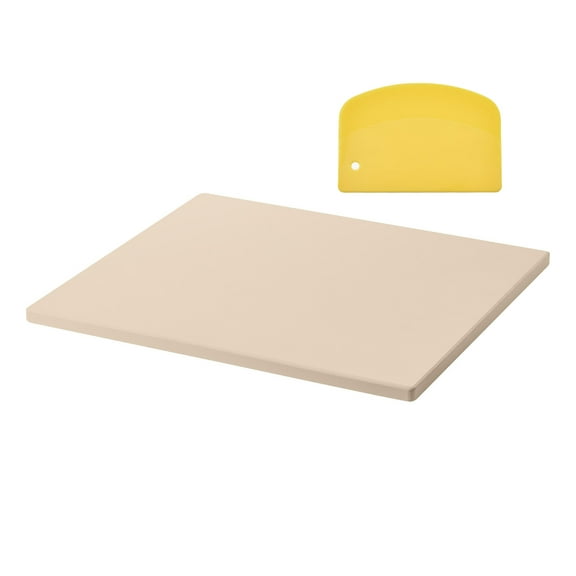
FibraMent-D Baking Stone Rectangle 14.5x16.5 Inch
Check price on Amazon
2,900+ reviews
A thick cordierite-blend stone designed for commercial heat that handles outdoor ovens and high-heat grills without cracking.
Shop on Amazon →Best Cast Iron Option for Gas Grill Pizza
Cast iron is a completely different animal from cordierite. It heats faster, holds that heat aggressively, and gives you a darker, crunchier bottom crust in a shorter window. The Lodge 14-Inch Cast Iron Pizza Pan is the cast iron pick for outdoor pizza because it is pre-seasoned, nearly indestructible, and works directly on a gas grill, a charcoal grill, or inside an outdoor oven without any adaptation.
On a two-burner gas grill, place it over the lit burner with the lid down for 20 minutes and it is ready to cook. The handles make it possible to move without tongs, which matters when you are working quickly in a hot outdoor setup. A 12-inch pizza fits with room to spare, and the sloped edge makes it easier to slide a peel underneath without catching.
The tradeoff with cast iron versus cordierite is moisture management. Cordierite is porous and wicks steam away from the dough. Cast iron does not, which can leave the very bottom slightly softer if your dough is wet. For crispier results on cast iron, use a drier dough and go with higher heat.
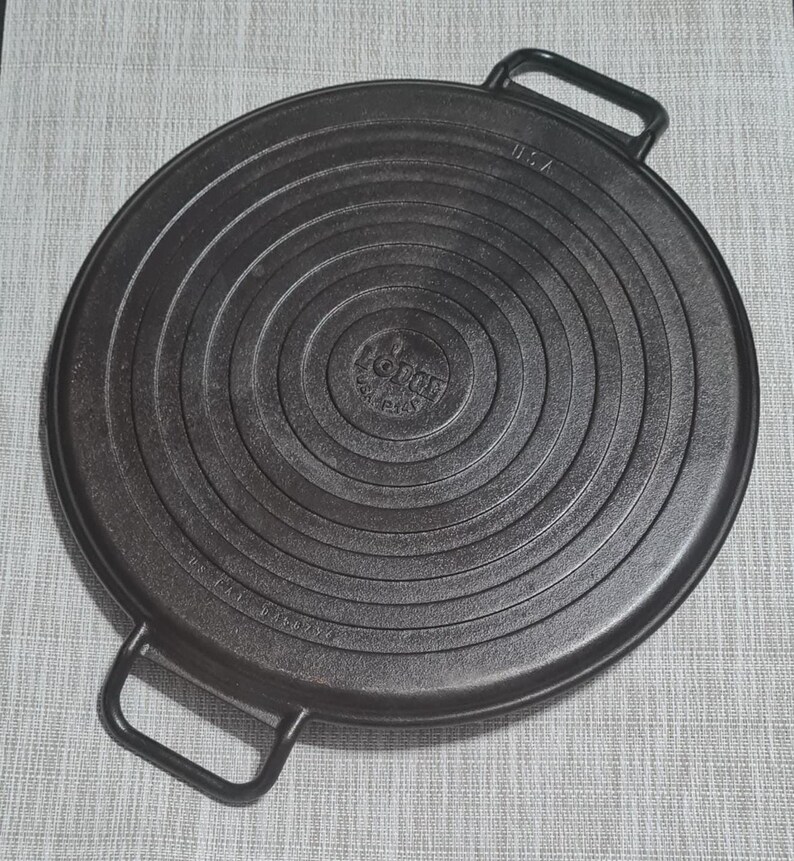
Lodge Cast Iron Pizza Pan 14 Inch
Check price on Amazon
8,600+ reviews
A pre-seasoned cast iron pan that doubles as a pizza stone on any grill or outdoor oven, with handles for moving safely at high heat.
Shop on Amazon →Best Long-Handle Peel for Launching into High Heat
A perforated peel changes how you launch pizza. The holes let excess flour fall away before the pizza hits the stone, which prevents that burnt flour smell that ruins an otherwise good pie. The Ooni 14-Inch Perforated Pizza Peel has a thin tapered edge that slides cleanly under a stretched dough round without tearing it, and the aluminum head stays light even when you are maneuvering with a full pizza.
The handle on this one extends to give you real distance from a hot outdoor oven door or grill lid. If you have ever singed your forearm reaching into a 700-degree oven with a short-handled peel, you know exactly why this matters. For a standard Ooni Koda or similar countertop outdoor oven, this peel fits the opening without any forced angling.
Use this peel only for launching, not for retrieving. The perforations that help with launching make it awkward for pulling a finished pizza back out. That is where a turning peel earns its keep, which we cover below.
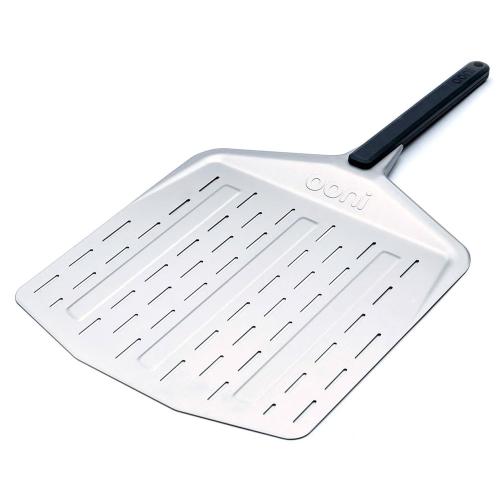
Ooni 14 Inch Perforated Pizza Peel
Check price on Amazon
5,400+ reviews
A thin-edged aluminum peel with perforations that shed excess flour before launch, with a long handle built for outdoor oven distances.
Shop on Amazon →Best Wood Composite Peel for Prep and Serving
The Epicurean Gourmet 21 by 14.5-Inch Pizza Peel pulls double duty in the outdoor kitchen. Use it as your prep surface for stretching and building the pizza inside, then carry it out to the oven for the launch. The wood composite material is naturally non-stick enough that a light dusting of semolina flour lets a pizza slide freely without grabbing.
What sets it apart from a raw wood peel is maintenance. Wood peels crack in dry summer heat and absorb olive oil and tomato stains permanently. The Epicurean composite material is dishwasher safe, has no grain to split, and does not warp when you leave it outside on a covered prep table. For anyone who cooks pizza more than once a week through the summer, that durability matters.
The flat leading edge is thicker than the Ooni peel above, which means it is not the ideal tool for scooping a pizza off a 900-degree stone. Use it for prep and transport, pair it with the perforated metal peel for the actual oven work, and you have a complete launch system.

Epicurean Gourmet Series Pizza Peel 21x14.5 Inch
Check price on Amazon
3,200+ reviews
A wood composite peel that doubles as a prep and serving board, dishwasher safe and warp-resistant for regular outdoor use.
Shop on Amazon →Best Turning Peel for Mid-Bake Rotation
At temperatures above 600 degrees, a pizza cooks unevenly unless you rotate it halfway through. The side closest to the flame goes fast. The back edge lags. A turning peel with a small round head and a long handle lets you spin the pizza 180 degrees in about two seconds without pulling it all the way out of the oven. The Ooni 9-Inch Pizza Turner is the right size for home outdoor ovens and fits through most oven openings without collision.
The round head on this one is nine inches across, which matches a standard 12-inch pizza with enough clearance to get under the edge. The handle angle is slightly offset, which keeps your knuckles away from the oven opening while you are turning. After you use a turning peel once, you will wonder how you were managing without it.
This tool also works for checking the underside of a pizza mid-cook without disturbing it much. Slide it under gently, tilt slightly, and you can see the browning progress on the bottom crust. It is a small thing that makes a real difference in consistency across multiple pizzas in one session.
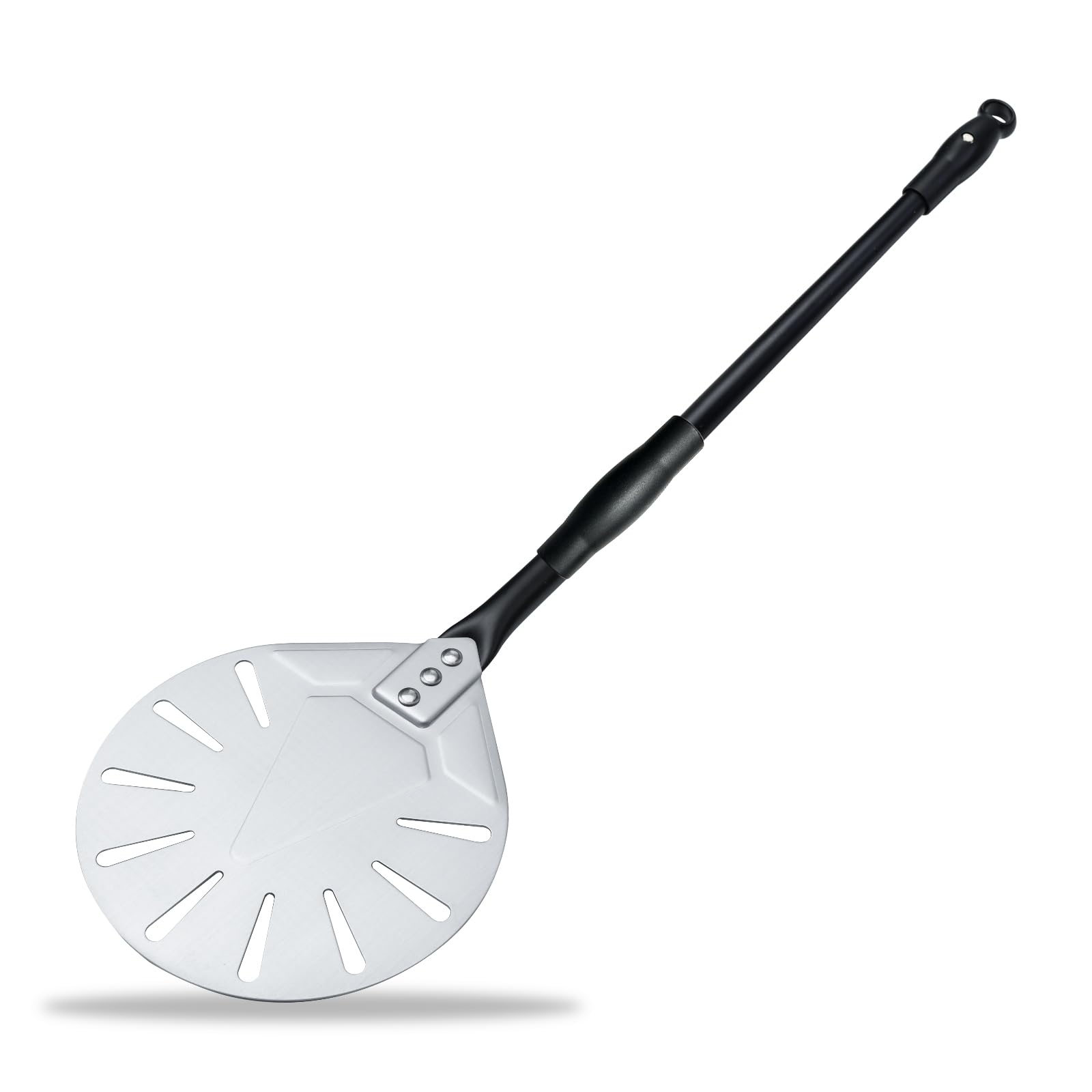
Ooni 9 Inch Pizza Turner Turning Peel
Check price on Amazon
4,900+ reviews
A small-headed turning peel with an offset long handle designed for rotating pizza in high-heat outdoor ovens without pulling it out.
Shop on Amazon →Best Pizza Cutter for Outdoor Sessions
The Kitchy Pizza Cutter Wheel has become the go-to for outdoor pizza nights because it is built to stay sharp, the handle stays cool even when the blade is warm from a fresh pie, and the whole thing breaks apart for easy cleaning in a bowl of soapy water at the outdoor sink. It cuts a 14-inch pizza in four passes without dragging cheese off the top, which is the main frustration with cheaper rollers.
The blade on this one is stainless steel and thick enough to handle a wood-fired crust with some char and structural integrity. Thin ceramic-topped pizzas cut cleanly. Thicker Detroit-style doughs cut without the cutter bogging down halfway through. For a backyard setup where you are cutting right on the serving board, the ergonomic handle gives you enough downward pressure to get through in one clean motion.
One underrated feature is the blade guard. When this cutter lives in an outdoor kitchen drawer or tool caddy, the guard protects the blade and your fingers when you reach in. It is a small detail that most pizza cutters skip entirely.
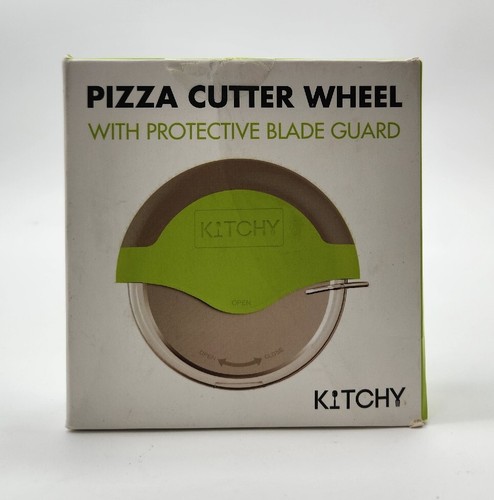
Kitchy Pizza Cutter Wheel with Blade Guard
Check price on Amazon
29,000+ reviews
A sharp stainless steel wheel cutter with a protective blade guard and ergonomic handle that handles everything from thin-crust to thick outdoor pies.
Shop on Amazon →Quick Tips for Outdoor Pizza Cooking
- Preheat longer than you think. A cordierite stone needs 45 to 60 minutes at full heat before the first pizza goes in. The surface temperature should match the air temperature inside the oven, not just the thermometer reading.
- Use semolina, not flour, for launch. Semolina acts like tiny ball bearings under the dough and lets it slide off the peel far more reliably than all-purpose flour, which absorbs into the dough and causes sticking.
- Keep your stone dry between uses. Never run water on a hot stone and never store one in a spot where it will collect moisture. Temperature changes combined with absorbed water are the main reason stones crack.
- Build your pizza fast on the peel. Every minute your dough sits on the peel, it bonds more to the surface. Sauce and top within 60 seconds of placing the dough on the peel, then launch immediately.
- Rotate at the halfway mark, not the end. In a 90-second cook at 800 degrees, rotate at 45 seconds. Waiting until the last 15 seconds to rotate does not give the slower side enough time to catch up.
Frequently Asked Questions
What is the difference between cordierite and cast iron pizza stones?
Cordierite is porous and wicks moisture away from the dough, producing a crispier, lighter crust. Cast iron holds heat more aggressively and creates a darker, crunchier bottom but does not manage steam the same way. Cordierite handles thermal shock better and is the safer choice for dedicated outdoor pizza ovens above 700 degrees.
Can I use a pizza stone on a regular gas grill?
Yes, but you need a grill with a lid and enough height to close over the stone. Preheat with all burners on high for at least 45 minutes before cooking. A two-burner setup works well with the stone over one burner and the other burner providing ambient heat.
Why does my pizza stick to the peel?
Either the dough sat on the peel too long before launching, or you did not use enough semolina. Build and launch in under 60 seconds, use semolina instead of flour, and make sure your peel is completely dry before use.
Do I need both a launching peel and a turning peel?
At temperatures above 600 degrees, yes. A thin perforated launching peel gets the pizza in cleanly. A small-headed turning peel lets you rotate mid-cook without pulling the pizza out. Using your launching peel to turn risks dropping the pizza or burning yourself.
How do I clean a cordierite pizza stone?
Scrape off debris with a bench scraper or stiff brush after it cools. Do not use soap or submerge it in water. Stains and dark spots are normal and do not affect performance. The high heat of cooking sanitizes the surface between uses.