Best Interlocking Deck Tiles for Patios
Bare concrete is one of the most depressing things you can inherit on a new patio or balcony. The good news: interlocking deck tiles solve it in an afternoon with no tools, no permits, and no landlord drama.
These tiles snap together over almost any flat surface and drain underneath, which matters more than most people realize. Standing water trapped beneath wood or composite will rot and mold faster than you expect, so proper drainage spacing is worth paying attention to when you buy.
After testing six options across a concrete balcony, a rooftop terrace, and a 12x16 backyard patio, here is what actually holds up and what to skip.
Best Teak Tiles for Small Balconies
The Bare Decor EZ-Floor tiles are the ones people keep for years. Real solid teak, not a teak veneer, means the wood weathers to a consistent silver-gray if you leave it alone or stays golden if you oil it once a season. On a 60-square-foot apartment balcony, one box plus a second covers it completely with room to spare.
The raised plastic grid underneath lifts each tile about half an inch off the concrete, which is enough for water to drain and air to circulate. They click together with a satisfying lock and the fit is tight enough that they do not shift under furniture. After two winters sitting outside uncovered in the mid-Atlantic, the teak was still solid with no warping or soft spots.
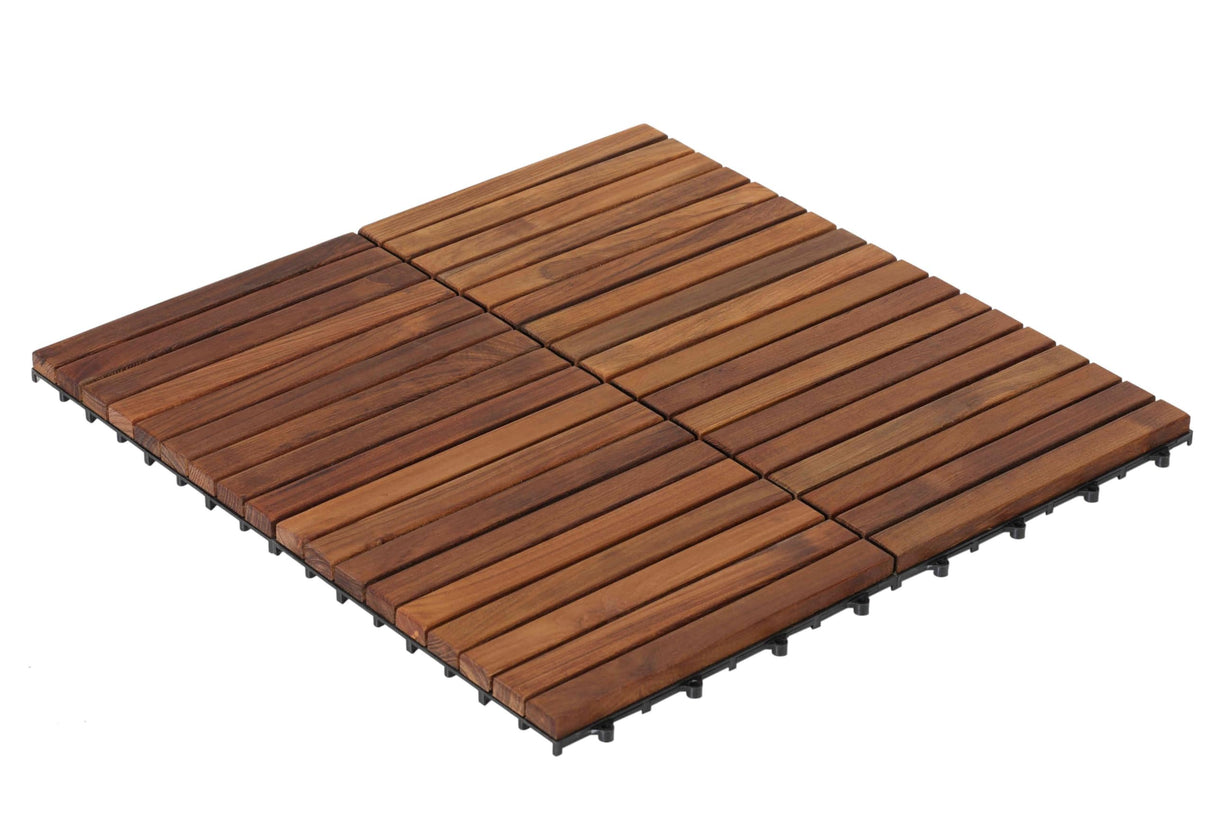
Bare Decor EZ-Floor Interlocking Flooring Tiles in Solid Teak Wood
Check price on Amazon
3,200+ reviews
Solid teak construction with a raised drainage base that keeps the wood genuinely dry between rains.
Shop on Amazon →Best Composite Tiles for High-Moisture Spots
NewTechWood's UltraShield composite tiles are built for spots where real wood has no business being. Pool surrounds, covered patios that never fully dry, or any surface that sits in afternoon shade and stays damp. The capped composite construction means no splinters, no rot, and no annual sealing.
The wood-grain texture is convincing from three feet away and fades evenly rather than blotching the way cheaper WPC can. Each tile is 12x12 inches and interlocks on all four sides, so laying a 10x12 section takes about 45 minutes. Color options run from a light cedar to a deeper espresso, and the darker shades hide dirt well between cleanings.
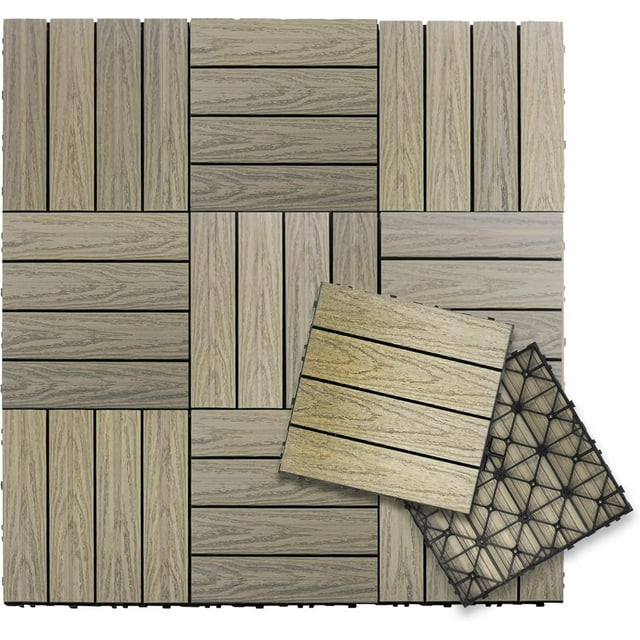
NewTechWood UltraShield Naturale WPC Composite Interlocking Deck Tile 12 in. x 12 in.
Check price on Amazon
890+ reviews
Capped composite construction resists moisture, rot, and UV fading without any annual maintenance.
Shop on Amazon →Best Budget Wood Tiles for Concrete Patios
Outsunny's acacia wood tiles give you real hardwood at a price that makes sense for a rental or a seasonal setup you might reconfigure. A 27-pack covers about 27 square feet, enough for a defined dining zone or a small seating area on a larger patio.
Acacia is harder and denser than pine, so it holds up better under chairs and foot traffic than cheaper softwood tiles. The slots cut into the top surface channel water away, and the bottom pegs keep each tile elevated enough that pooling is not a problem on a slightly sloped surface. These are not a forever tile, but treated with a UV-protective wood oil once a year, they can run three to four seasons without issue.
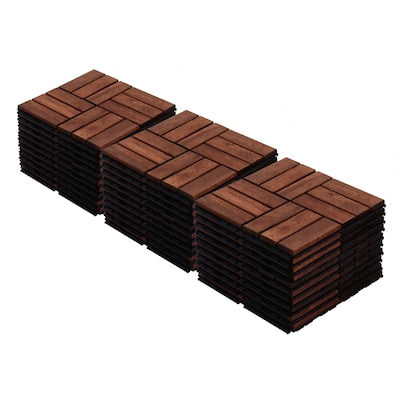
Outsunny 27 Pack Acacia Wood Interlocking Deck Tiles 12 x 12 Inch
Check price on Amazon
2,100+ reviews
Dense acacia hardwood with built-in drainage channels at a price that makes seasonal refreshes easy.
Shop on Amazon →Best Stone-Look Tiles for a Permanent Feel
SnapStone porcelain tiles look like they were professionally installed, which is exactly the point. If you own your patio and want something that reads as permanent without hiring a tile setter, these are the move. The interlocking foam grid underneath floats the tile above the concrete so no adhesive or mortar is needed.
Porcelain is dense enough to handle heavy furniture, resist staining, and survive freeze-thaw cycles in most climate zones. The Windrift color has a natural stone variation that masks grout inconsistency and hides light dust between cleanings. A case covers about 16 square feet, and while these cost the most per square foot here, they are also the only option that truly looks like it is not going anywhere.
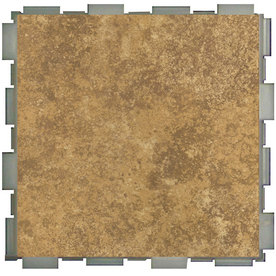
SnapStone Windrift 12-in x 12-in Interlocking Porcelain Floor Tile
Check price on Amazon
1,400+ reviews
Porcelain tile on a floating foam grid that installs without adhesive and looks like a permanent installation.
Shop on Amazon →Best WPC Tiles for Full-Sun Patios
VEVOR's composite deck tiles are designed with one priority: surviving full-sun patios where cheaper wood or low-grade WPC starts to fade and warp by midsummer. The surface is UV-treated and the hollow core design keeps the tiles from heat-absorbing the way solid composite can on a dark-surface patio.
A 27-tile pack covers about 27 square feet and the click-lock edges are forgiving enough that slightly uneven concrete is not a dealbreaker. These work well for a 10x10 seating area or around a fire pit where you want heat-resistant coverage without worrying about scorch marks. Cleanup is a rinse with the hose.
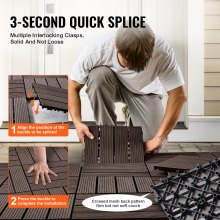
VEVOR Interlocking Deck Tiles WPC 12x12 Inch 27-Pack
Check price on Amazon
2,800+ reviews
UV-treated WPC composite that resists fading and warping in direct sun with zero annual maintenance.
Shop on Amazon →Best Rubber Tiles for Rooftop Decks and Wet Zones
Rubber-Cal's interlocking rubber tiles are not the prettiest option here, but on a rooftop deck where waterproofing membranes can be damaged by hard tiles, or around a hot tub where slip resistance matters more than aesthetics, they are the right call. The textured surface grips wet feet and the rubber absorbs the kind of impact that cracks porcelain.
Each tile is 3/8 inch thick and the interlocking edges hold tight even under heavy foot traffic. The charcoal color reads as intentional rather than industrial, and the surface cleans with a stiff brush and soapy water. If you are covering a 10x10 rooftop area and need something that will not void your roof warranty or send someone sliding in a rainstorm, start here.
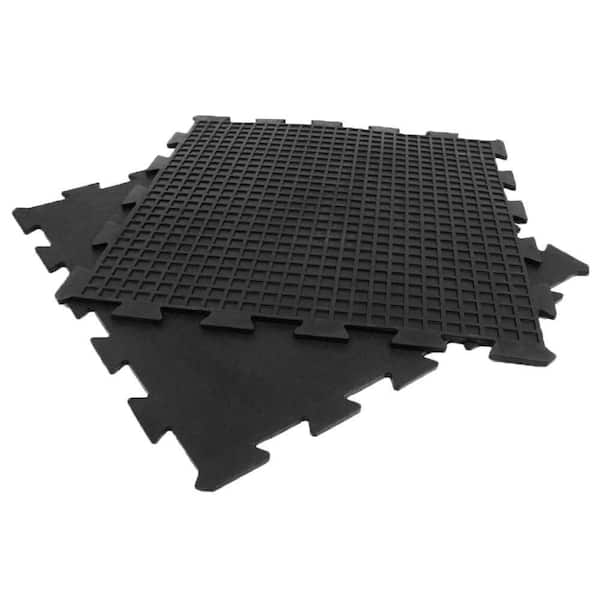
Rubber-Cal Armor-Flex Interlocking Outdoor Rubber Floor Tiles 12 in. x 12 in.
Check price on Amazon
1,150+ reviews
Slip-resistant rubber tiles rated for outdoor use that protect roofing membranes and wet surfaces alike.
Shop on Amazon →Quick Tips for Installing Interlocking Deck Tiles
- Measure twice before ordering. Interlocking tiles work in full squares, so an 11x13 space will need cuts at the edges. Factor in a 10 percent overage for cuts and any breakage during install.
- Start from the center, not a corner. Centering your layout keeps cut tiles at the edges where furniture or planters will hide them. It looks far more intentional than starting from a corner and ending with a three-inch sliver along the wall.
- Clean the concrete before laying. Dirt, grease, or standing water trapped underneath wood tiles accelerates mold. A quick pressure wash and 24 hours of drying time makes a real difference in long-term performance.
- Lift and inspect once a season. Pull a few tiles up each spring to check for trapped moisture or debris underneath. It takes five minutes and adds years to the tile lifespan.
- Oil real wood tiles once a year. Teak and acacia last longer with a single coat of outdoor wood oil each spring. For a 100-square-foot area it takes about an hour and keeps the color from fading unevenly.
- Check building rules for rooftop installs. Some buildings require drainage-compatible tiles on rooftop terraces to protect waterproofing layers. Rubber tiles are the most commonly approved option because they do not trap water against membrane surfaces.
Frequently Asked Questions
Can interlocking deck tiles go over cracked concrete?
Minor cracks are fine as long as the surface is relatively flat. The raised bases on most tiles bridge small imperfections. Large cracks or significant uneven settling will cause tiles to rock and the joints to pop open over time.
Do interlocking deck tiles drain properly in heavy rain?
Most wood and composite tiles have a raised grid base that keeps them elevated 8 to 12mm above the surface, which is enough drainage for normal rainfall. Stone-look tiles like SnapStone use a foam grid with drainage channels built in. Avoid laying tiles in areas where water pools for more than an hour after rain.
How many interlocking tiles do I need for a 10x10 patio?
A 10x10 area is 100 square feet. Standard 12x12 tiles cover one square foot each, so you need 100 minimum. Order 110 to 115 to account for edge cuts and any cracked tiles during installation.
Will interlocking deck tiles work on a balcony with a floor drain?
Yes, but cut the tiles around the drain opening rather than covering it. The raised bases on wood and composite tiles still allow water to flow to the drain from underneath. Just keep the drain opening itself clear.
Are interlocking deck tiles considered permanent?
No, and that is a selling point. They can be picked up, reconfigured, or taken with you when you move. Most install with no adhesive and no fasteners, which makes them renter-friendly and easy to replace if individual tiles get damaged.