Best Bug-Repelling Plants for Patios and Decks
Citronella candles burn out. Bug zappers are loud. The most underrated mosquito solution is also the most pleasant one: a few well-placed plants that insects genuinely hate.
These five plants work best when you cluster them near seating, doorways, and anywhere you linger in the evening. They are not magic force fields, but they make your patio noticeably more comfortable without any chemicals or batteries.
Each one lives happily in a container, which means you can rearrange them as needed, bring them inside before the first frost, and swap in new plants depending on the season.
Best for Doorways and Entry Points: Lavender
Lavender might be the single most versatile bug-repelling plant you can put on a deck. Mosquitoes, flies, moths, and fleas all avoid it. The scent is subtle enough that you barely notice it unless you brush against the leaves, but bugs pick it up from several feet away.
A pair of lavender plants flanking a sliding glass door is one of the most effective placements you can make. Use a terra cotta pot at least 12 inches wide so the roots have room to breathe, and set it in the sunniest corner of your deck. Lavender wants six to eight hours of direct sun and almost no extra watering once it is established.
Bonnie Plants sells live lavender in quart containers that are ready to transplant into a larger pot the same day they arrive. The plants come rooted and healthy, not as seeds or bare starters, which means you get bug protection right away instead of waiting weeks for anything to establish.
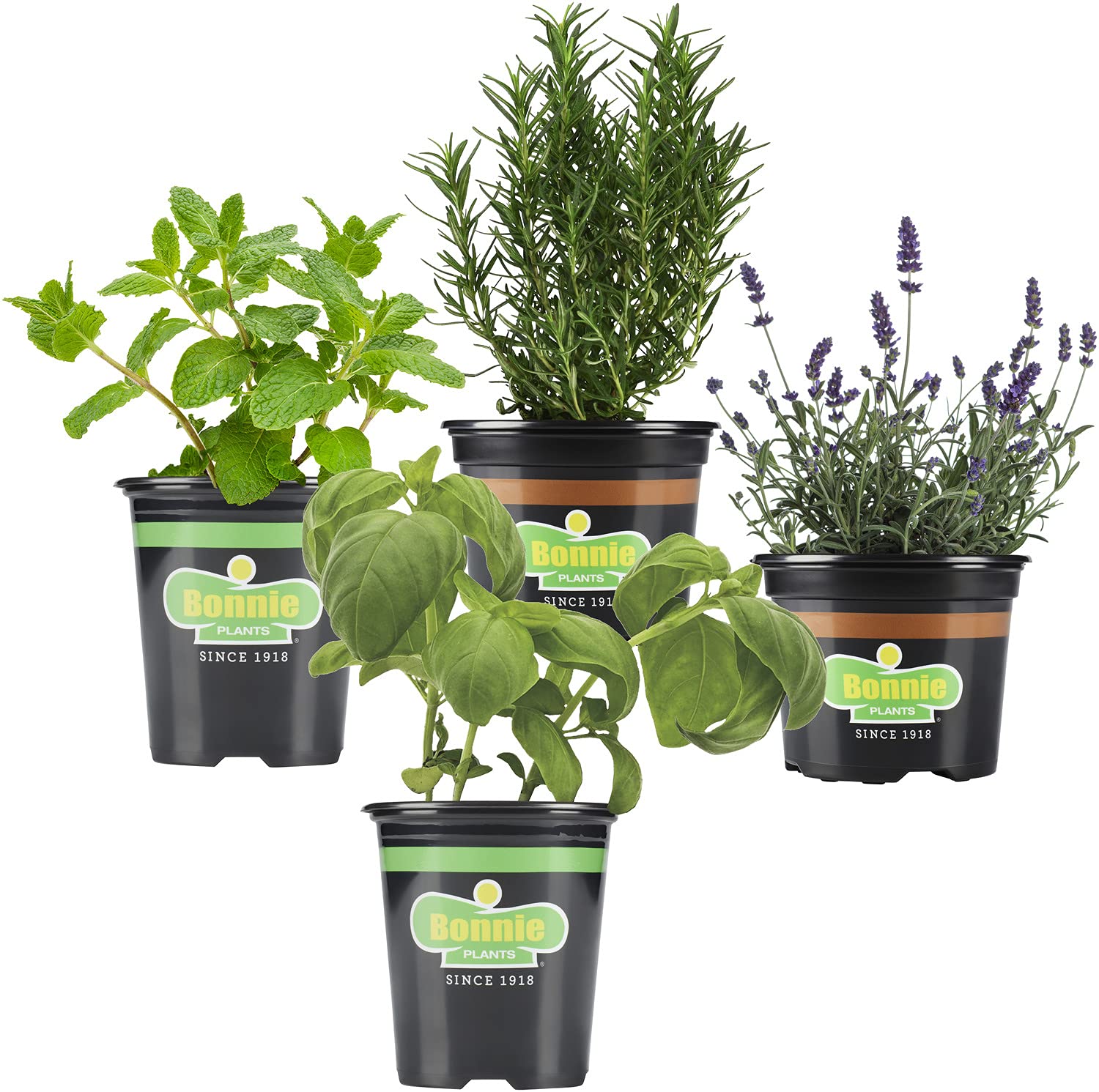
Bonnie Plants 4P6000 Lavender Live Herb Plant
Check price on Amazon
3,100+ reviews
A ready-to-pot lavender starter that thrives in containers and starts working immediately as a natural insect deterrent.
Shop on Amazon →Best for Large Patios: Citronella Grass
True citronella grass (Cymbopogon nardus) is the actual plant that citronella oil comes from, and it is far more effective than the scented geraniums that get mislabeled as citronella at garden centers. On a 10x10 patio, two or three large containers of citronella grass can make a real dent in the mosquito population, especially in the evening.
The plant grows tall, up to four feet in a single season, so use a heavy planter that will not tip over in the wind. A 14-inch or larger concrete or ceramic pot keeps the plant stable and gives the roots room to spread. Put it at the corners of your seating area where air movement carries the scent across the whole space.
American Plant Exchange sells a well-established citronella mosquito plant that arrives in a four-inch pot, ready to move into a larger container. These are the real Cymbopogon nardus variety, not the geranium impostors, and reviewers consistently note they grow aggressively through the summer.
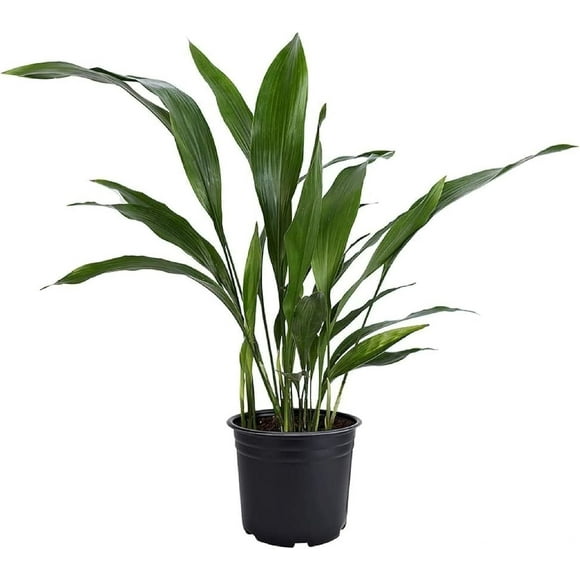
American Plant Exchange Citronella Mosquito Plant Live
Check price on Amazon
2,400+ reviews
True citronella grass in a ready-to-transplant pot, the same plant that citronella oil is derived from.
Shop on Amazon →Best Double-Duty Plant: Genovese Basil
Basil does two things at once: it keeps flies and mosquitoes away from your table, and you can grab a handful any time you need it for dinner. The scent is strong enough to deter insects even before you touch the leaves. Put a pot directly on your dining table or within arm's reach of where you cook outside.
Basil does best in a six to eight inch pot with good drainage. Keep it in full sun and water it consistently, but do not let it sit in standing water. Pinch off any flowers as soon as they appear to keep the plant producing leaves all summer instead of going to seed.
Bonnie Plants Genovese Basil is one of the most widely available and reliably healthy starter plants you can buy. The plants ship in quart containers with established root systems, so you can pot them up and start harvesting within a week or two of arrival.
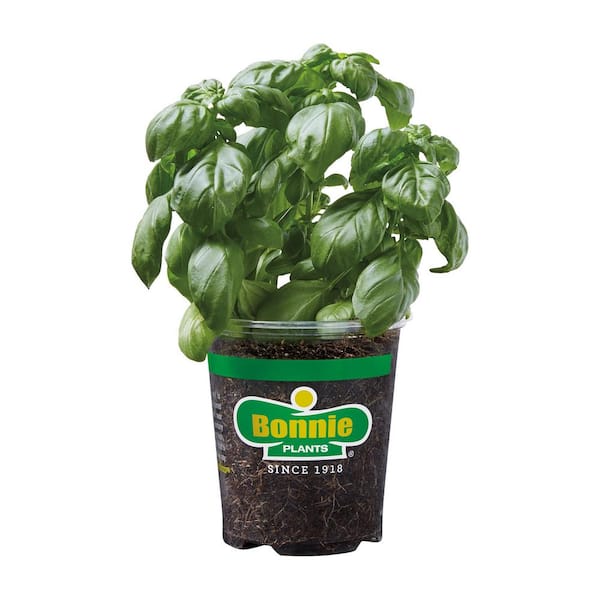
Bonnie Plants Genovese Basil Live Herb Plant
Check price on Amazon
4,800+ reviews
A productive basil plant that repels flies and mosquitoes while doubling as a fresh herb for cooking.
Shop on Amazon →Best for Borders and Railings: French Marigolds
Marigolds are one of the few plants that deter insects both above and below the soil. The flowers repel mosquitoes, whiteflies, and aphids, while the roots produce a compound that discourages nematodes. Line the edge of your deck or place them in a long window box along a railing to create a low border that bugs avoid crossing.
French marigolds stay compact, usually 12 to 16 inches tall, which makes them ideal for window boxes and smaller containers. They want full sun and minimal fuss. A drip tray under the container is enough to keep them hydrated between rain events.
Burpee sells French marigold 'Janie' live plants that arrive already blooming and ready to go. These are the compact French variety rather than the taller African type, which makes them far more useful in containers on a deck railing or along the perimeter of a smaller patio.
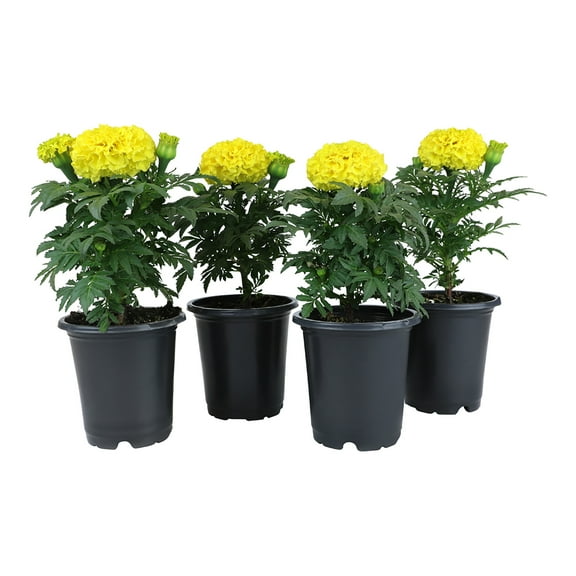
Burpee French Marigold 'Janie' Live Plant 4-Pack
Check price on Amazon
1,900+ reviews
A four-pack of compact, already-blooming French marigolds that create a perimeter deterrent for flying insects.
Shop on Amazon →Best for Shaded Spots: Lemon Balm
Most bug-repelling plants demand full sun, which leaves you with nothing for a covered porch or shaded corner of the deck. Lemon balm handles partial shade better than lavender or citronella grass, and the lemony scent is genuinely pleasant while being something mosquitoes actively avoid.
Keep lemon balm in a pot rather than planting it in the ground. It spreads aggressively in beds, and a container keeps it manageable. A 12-inch pot is big enough for one plant, and you can harvest the leaves to make tea or muddle them into drinks while the plant keeps doing its job. Crush a few leaves in your hand before you sit down outside for an extra burst of scent.
Bonnie Plants Lemon Balm arrives as an established plant in a quart container with plenty of healthy root development. It is ready to move into a larger pot right away, and it fills out quickly once it adjusts to its new spot.
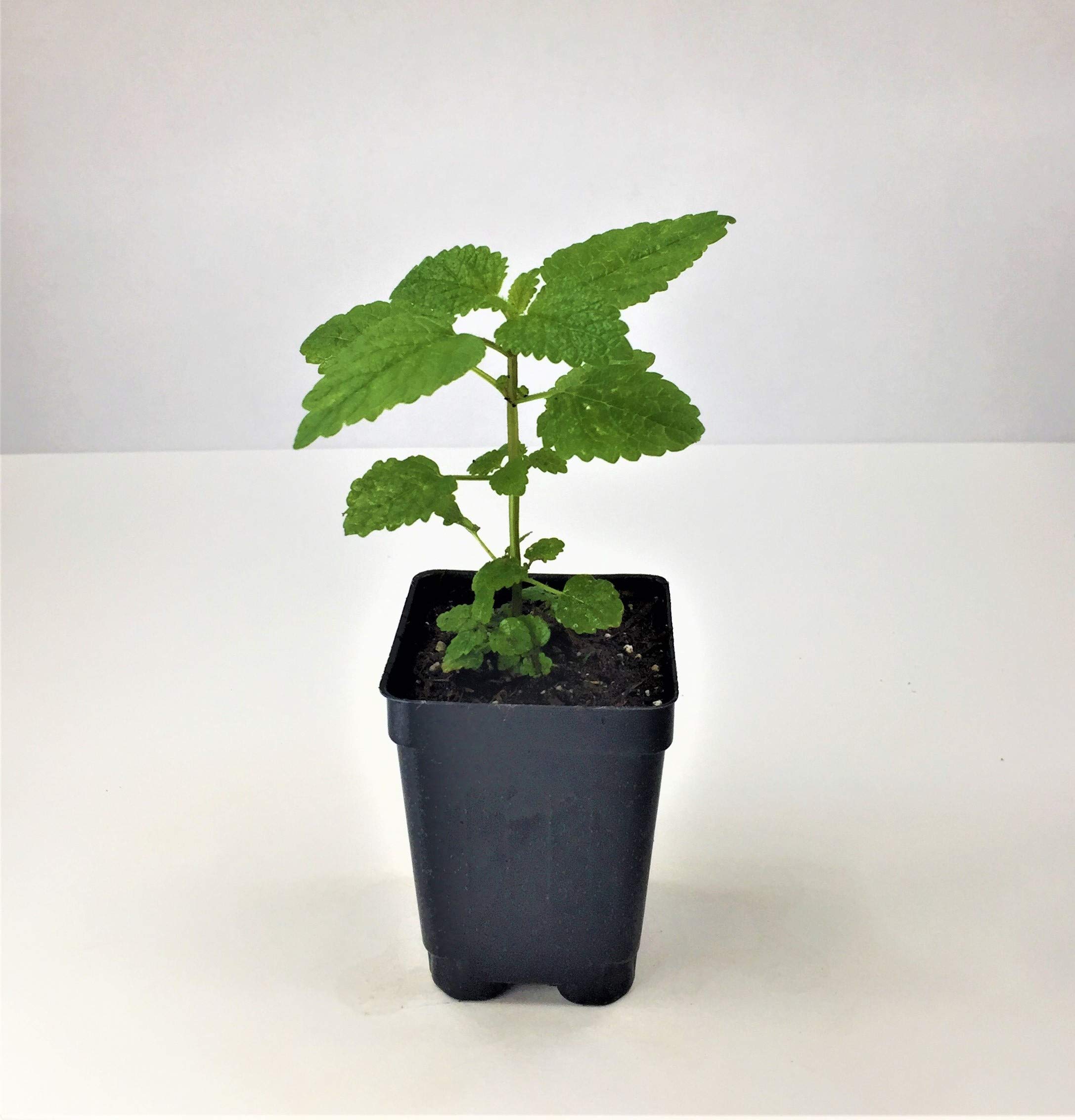
Bonnie Plants Lemon Balm Live Herb Plant
Check price on Amazon
2,200+ reviews
A shade-tolerant bug deterrent with a pleasant citrus scent that doubles as a culinary herb and tea ingredient.
Shop on Amazon →Quick Tips for Bug-Repelling Plant Placement
- Cluster plants near seating, not the perimeter. Bugs approach from everywhere. Putting plants right next to where you sit creates a scent zone around the area that matters most.
- Crush or brush the leaves before you sit down. Most of these plants release more scent when disturbed. A quick pinch of a lavender stem or lemon balm leaf activates the oils and gives you an immediate boost.
- Combine at least three different plants. Different plants deter different insects. Lavender is strong against mosquitoes and moths. Basil targets flies. Marigolds handle aphids and whiteflies. Mixing them covers more ground.
- Use terra cotta or ceramic pots, not plastic. Plastic pots retain moisture and can cause root rot in lavender and basil. Terra cotta breathes, which keeps the soil conditions these plants actually prefer.
- Replace annually or overwinter indoors. Most of these are tender perennials in colder climates. Bring lavender and lemon balm inside before the first frost if you want to keep them going, or treat them as seasonal annuals and replace each spring.
Frequently Asked Questions
Do bug-repelling plants actually work?
They work best as a supplement to other methods, not a standalone solution. Studies show lavender, citronella, and basil do repel insects, but the effect is most noticeable when plants are close to where you are sitting. Crushing the leaves to release the oils increases the effect significantly.
How many plants do I need for a 12x12 patio?
A good starting point is three to five plants spread around the seating area. One or two larger citronella grass plants at the corners, plus a few smaller pots of lavender or basil near the table, gives you decent coverage without overloading the space.
Can I grow bug-repelling plants on a small apartment balcony?
Yes. Basil, lemon balm, and marigolds all do well in smaller containers on a balcony railing. Citronella grass gets large, so skip that one if space is tight. Lavender works if the balcony gets at least six hours of sun.
What is the best bug-repelling plant for a shady porch?
Lemon balm is the most shade-tolerant option on this list. It handles partial shade well and still produces enough scent to deter mosquitoes. Mint is another strong option for shady spots, though it spreads quickly and should always stay in a container.